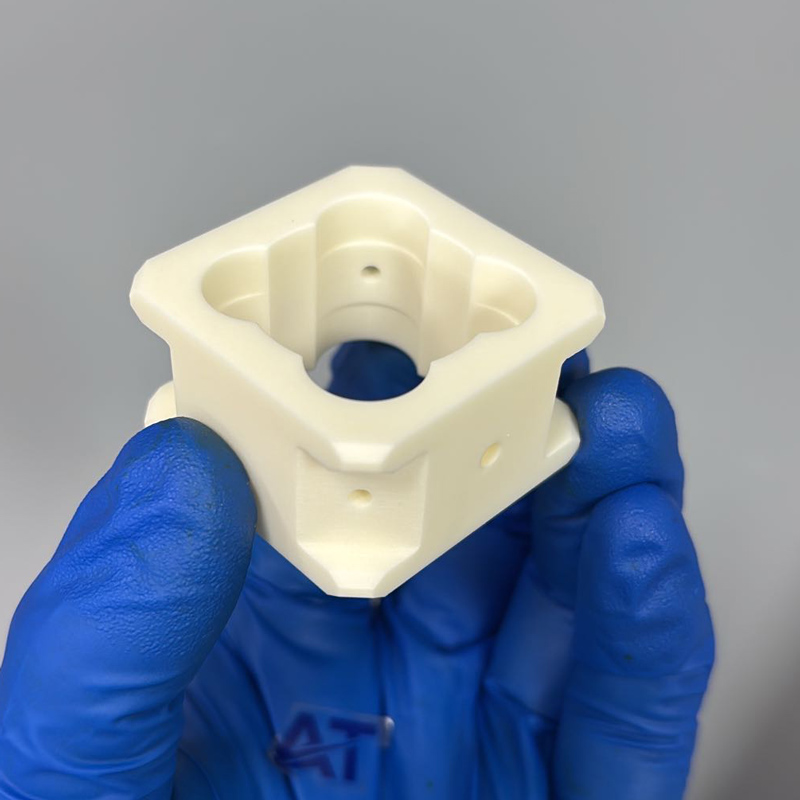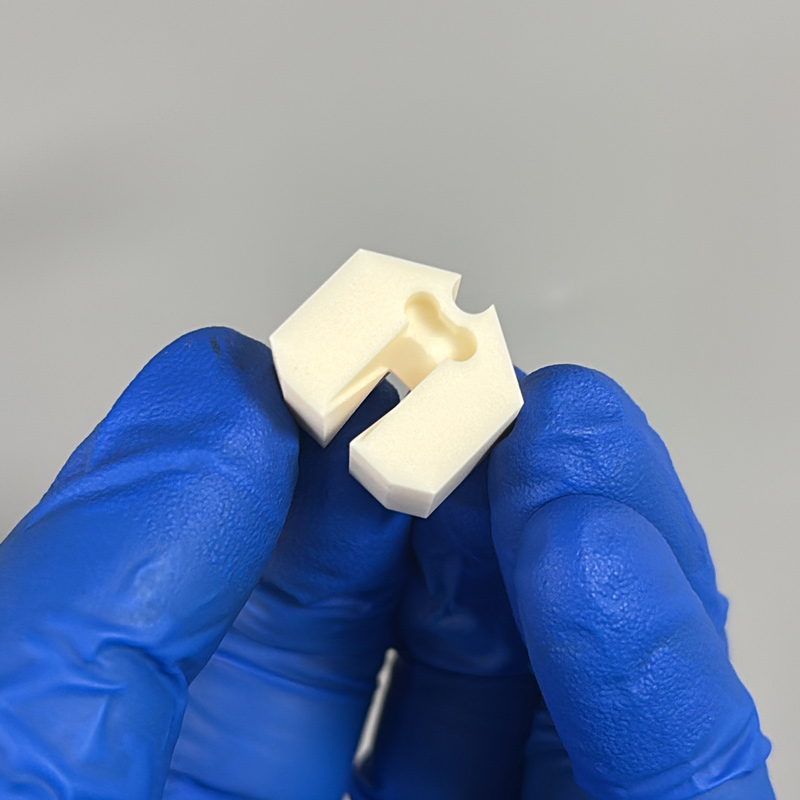
China's top-grade ceramic machining service. We deliver tight tolerances, complex geometries, and scalable production for industrial applications.
Select a characteristic to learn why ceramics are the superior choice.
Ceramics demonstrate superior electrical insulation properties, making them the material of choice for protecting wires and components that are critical to various applications.
With ceramics, users can enjoy better protection than other traditional insulating materials can offer, preventing short circuits and ensuring safety in high-voltage environments.
Ceramics are a special material group that provides robust protection for sensitive instruments against corrosive elements and contamination.
Their chemical inertness makes them resistant to corrosion from acids, alkalis, and salts, so they can maintain peak performance even in the harshest chemical processing environments.
With its remarkable resistance to wear and tear, ceramic offers a durable solution for long-term use. The wear resistance is 266 times that of manganese steel and 171.5 times that of high chromium cast iron.
According to our more than ten years of customer tracking survey, the same working condition can prolong the service life of the equipment at least ten times more than metals.
Ceramics boast remarkable hardness and strength, making them a top choice for those seeking materials of exceptional durability.
The unbeatable strength-to-density ratio makes modern engineering alloys pale in comparison, allowing for structural integrity under immense loads.
Zirconia ceramics, for example, have a density of 6.03 g/cm³, which can greatly reduce equipment load compared to denser metals like steel or tungsten.
Other types of technical ceramics have even lower density and are suitable for industries such as aerospace and robotics that require lightweight yet rigid components.
| Material | Sample Part | Hardness (HV) | Max Temp (°C) | Toughness | Best For |
|---|---|---|---|---|---|
| Alumina (Al2O3) | | 1500-1800 | 1700 | Moderate | High voltage insulators, wear components |
| Zirconia (ZrO2) | | 1200-1300 | 1000 | High (Impact) | Knives, pump parts, medical implants |
| Silicon Nitride (Si3N4) | | 1500 | 1200 | Very High | Engine parts, ball bearings |
| Macor (Glass) | | 250 | 800 | Low | Rapid prototyping, vacuum parts |
| Aluminum Nitride (AlN) | | 1100 | 1000 | Moderate | Heat sinks, semiconductor handling |
To ensure cost-effectiveness and part integrity, we recommend the following design practices:
Ceramics are brittle. Always incorporate a radius (min 0.5mm) on internal corners to reduce stress concentration and prevent cracking.
Maintain a minimum wall thickness of 1mm to prevent chipping during the machining process.
Apply chamfers to all edges instead of leaving them sharp to reduce the risk of chipping during handling and assembly.
Limit hole depth to 5x diameter where possible. Deeper holes require specialized drilling techniques and increase cost.
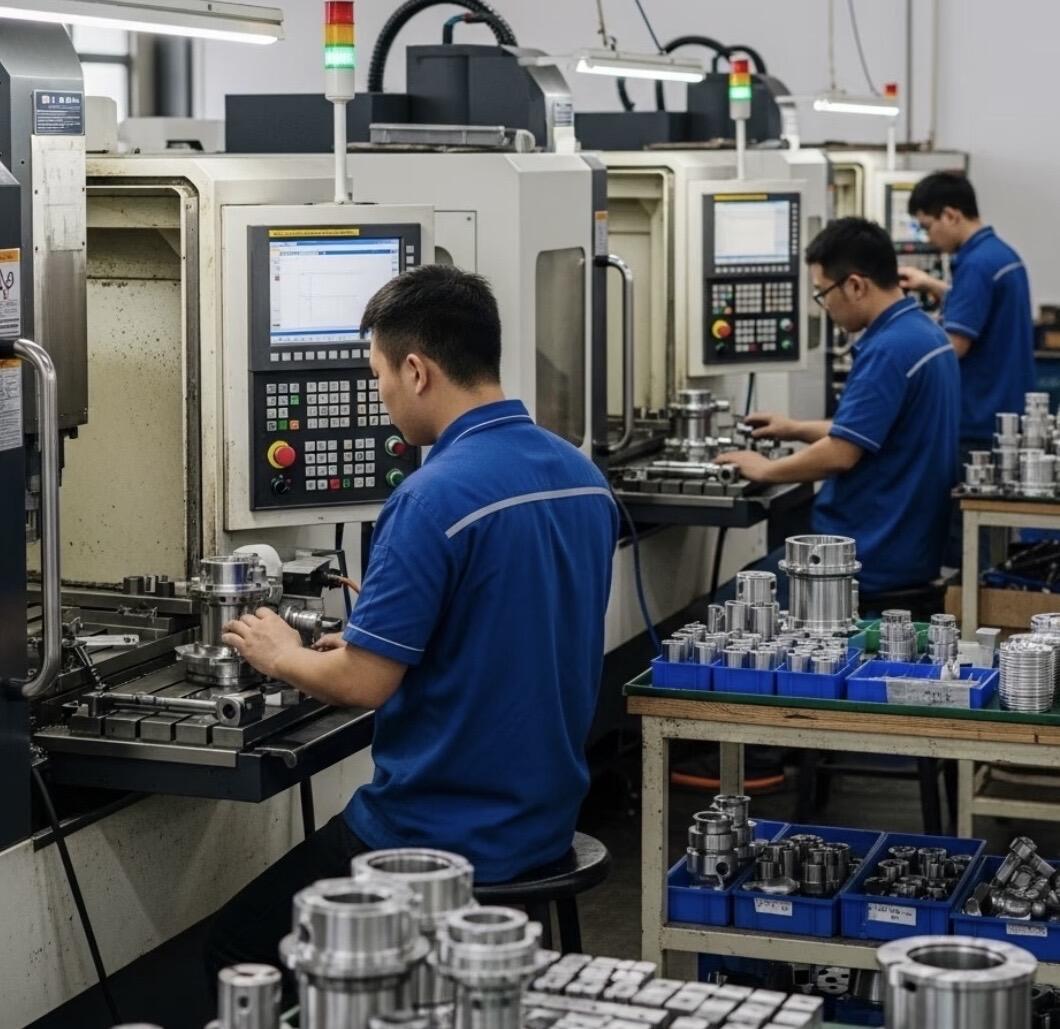
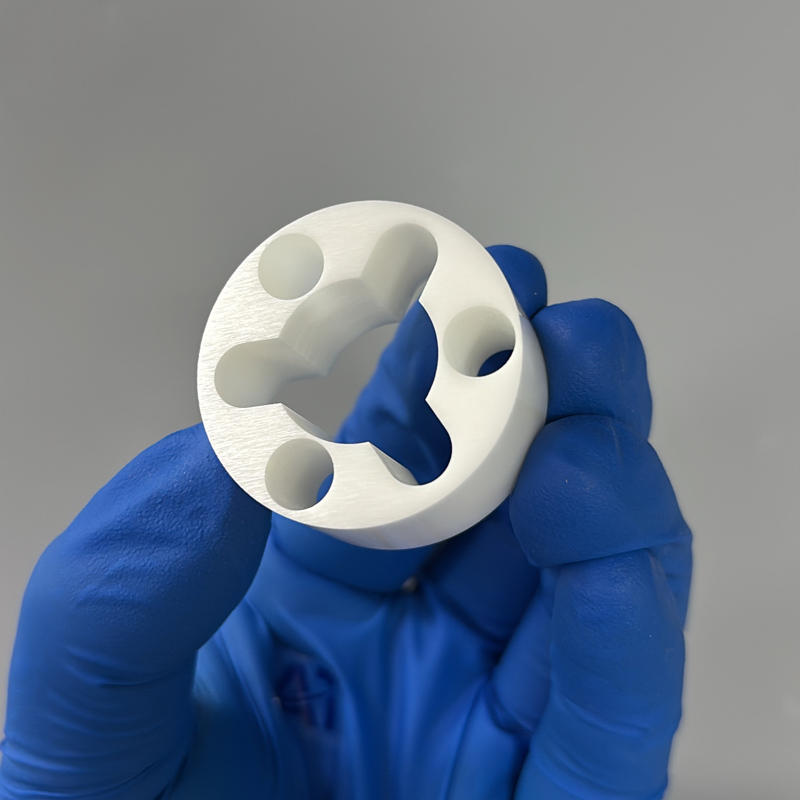
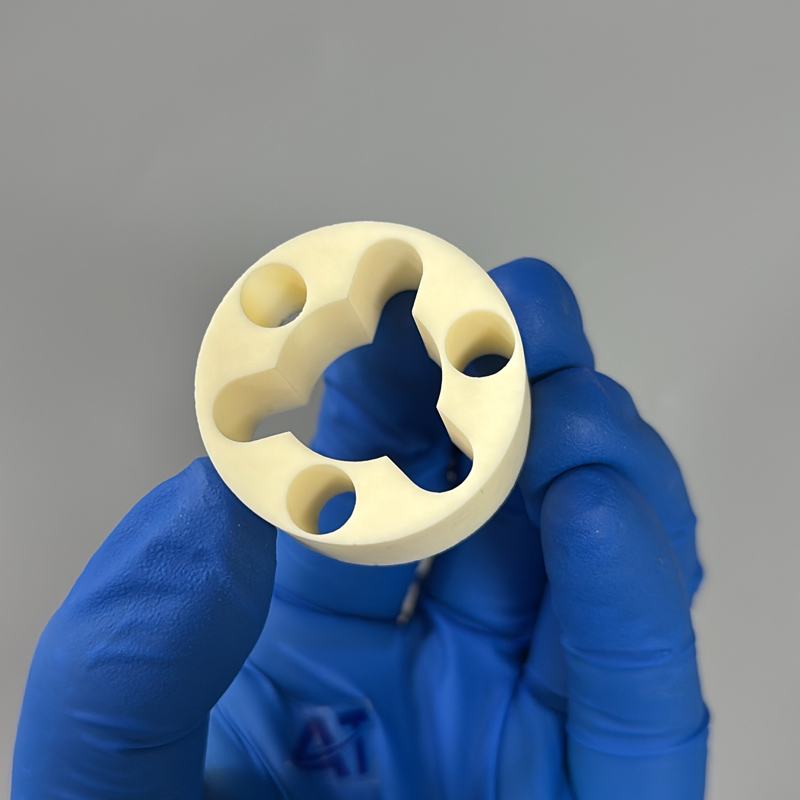
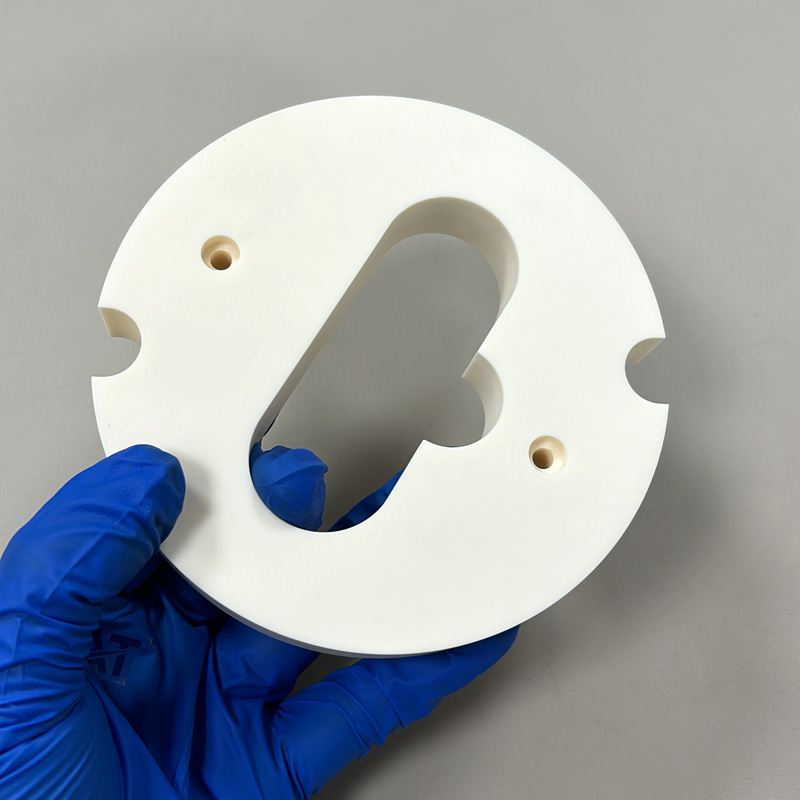
Leveraging over a decade of expertise in machining hard-to-process materials, AT-Machining is your trusted partner for custom ceramic components. We specialize in processing Alumina, Zirconia, Macor, and other advanced ceramics, ensuring your exact specifications for geometry and surface finish are met with speed and precision.
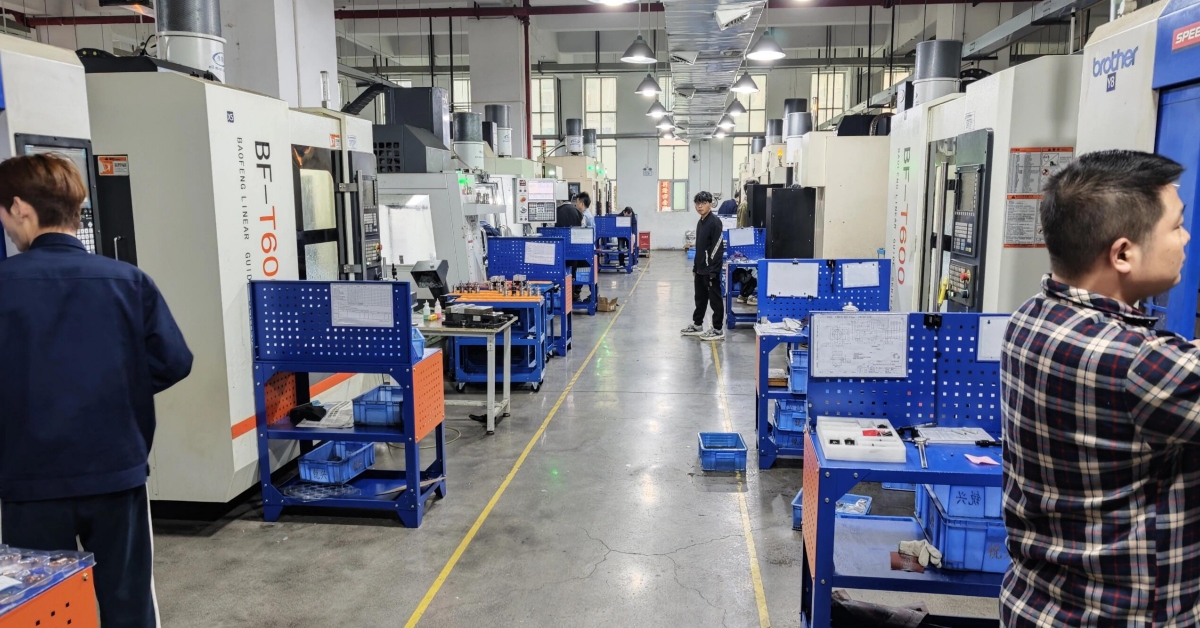
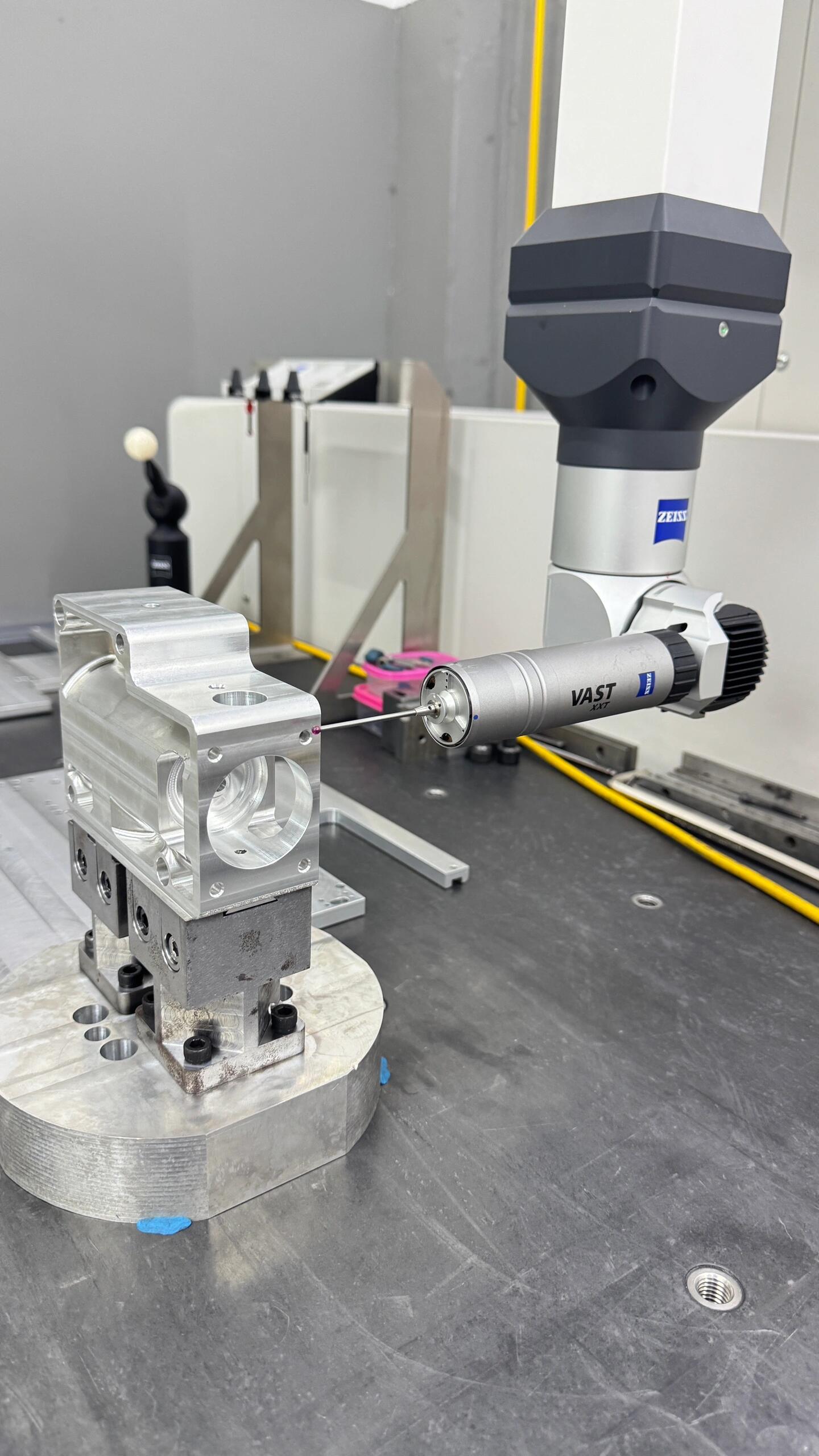
Our commitment to quality and precision stands out. With advanced measuring equipment (CMM) and highly skilled QC inspectors, we consistently achieve extreme tolerances to meet the highest industry standards.
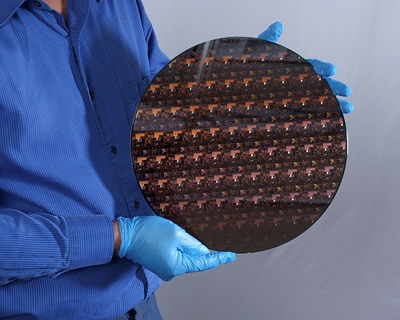
Advanced ceramics provide the purity and plasma resistance required for nanometer-scale wafer processing.

Engineered to withstand extreme thermal shock and atmospheric pressure while reducing structural weight.
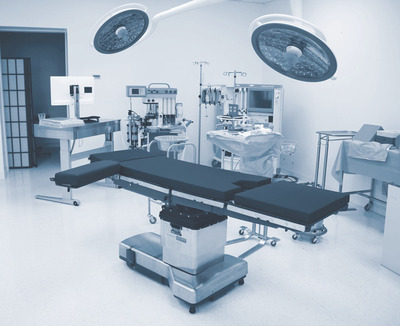
Biocompatible materials that offer wear resistance for implants and electrical insulation for imaging tools.
Ensuring device reliability through superior thermal management and high dielectric strength.
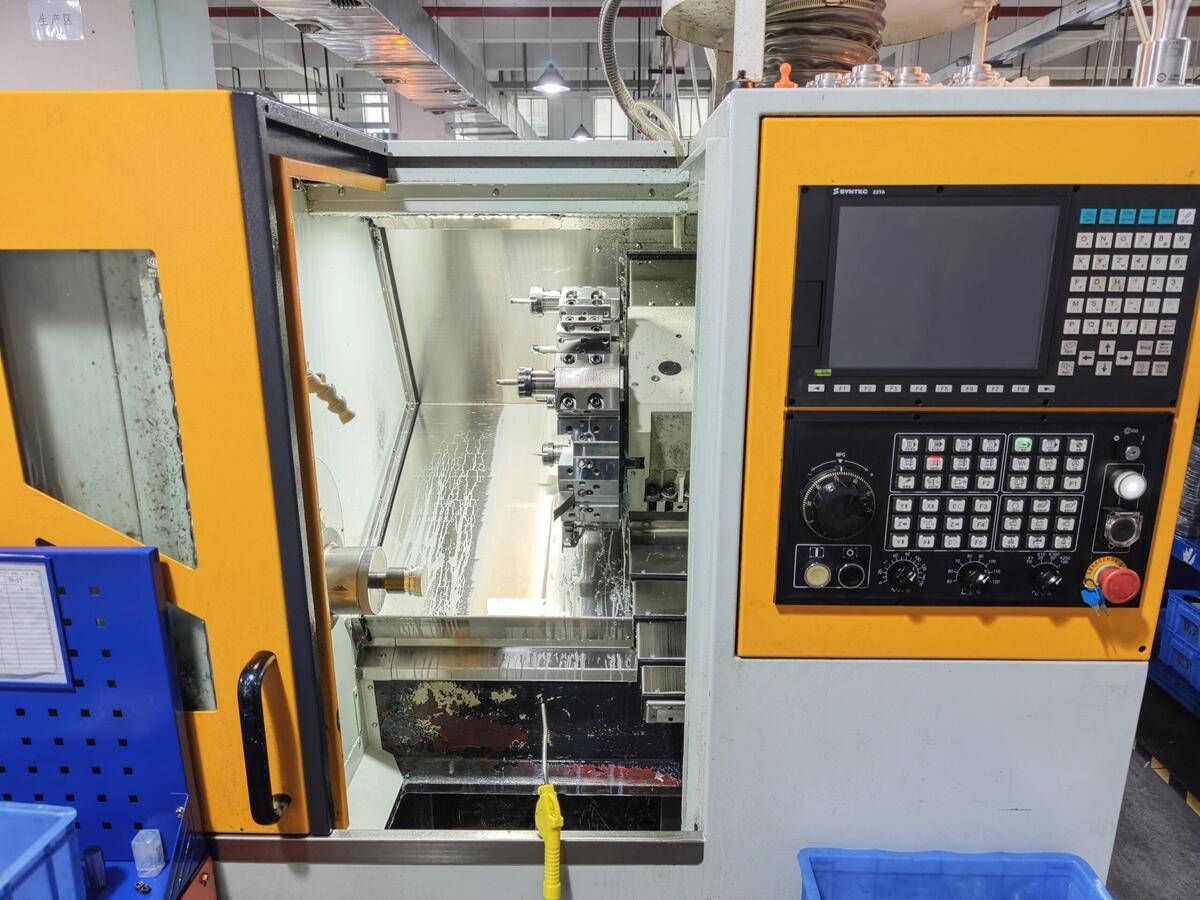
Ceramic CNC machining is a subtractive manufacturing process designed to create precise ceramic parts with complex geometries. The journey begins with CAD software design, which is then converted into machine-readable code.
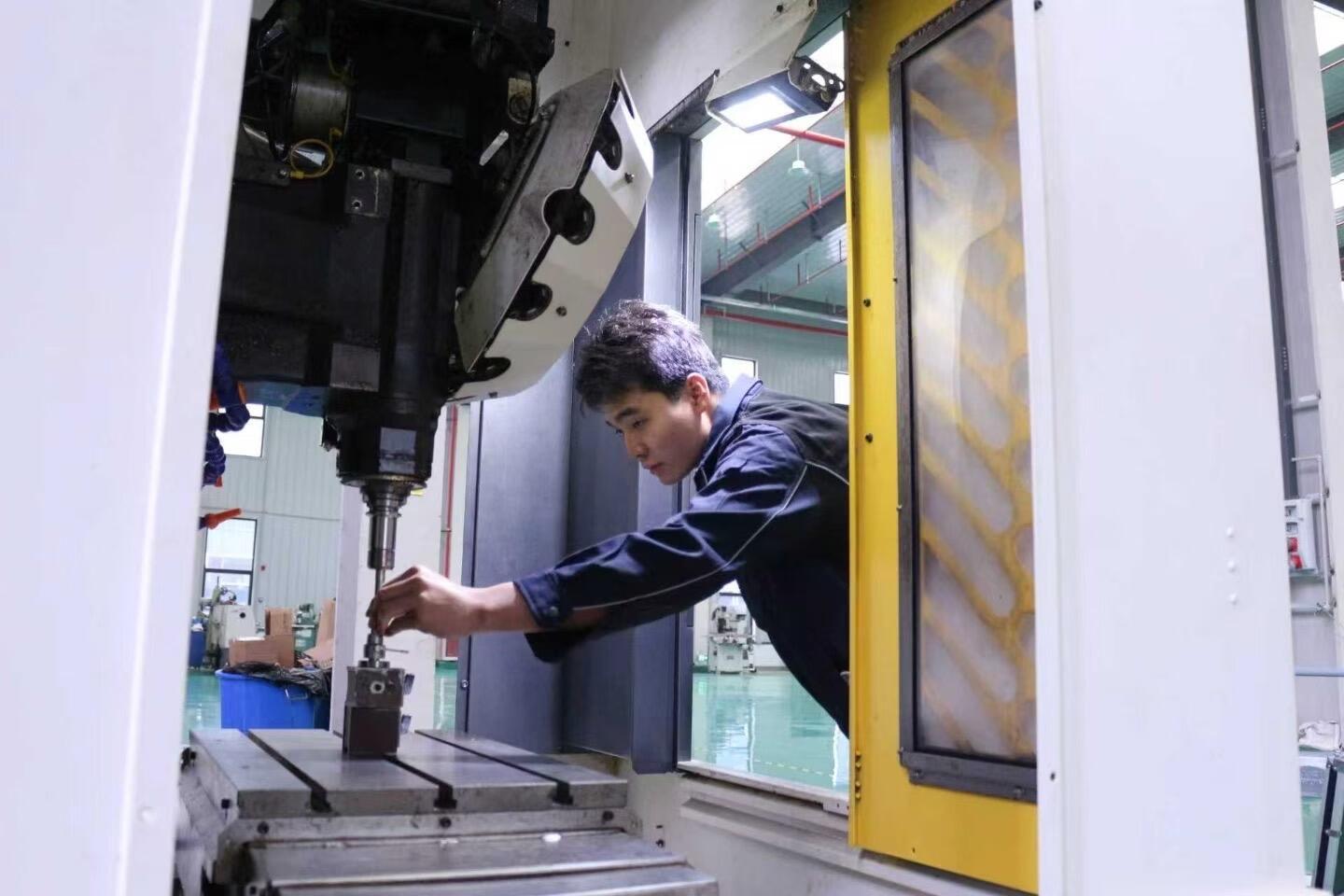
The CNC machine uses diamond tooling to cut and shape the ceramic material into the desired form with high precision and accuracy. This method is ideal for applications demanding high-temperature resistance or wear resistance, offering tight tolerances and excellent surface finishes.
Note: The process requires a well-controlled cutting environment due to the hardness and brittleness of ceramics. Specialty cutting tools are selected to ensure success in achieving high-quality results.
Browse our comprehensive portfolio. From Macor to Silicon Carbide, we deliver high-precision ceramic components for the most demanding industries.
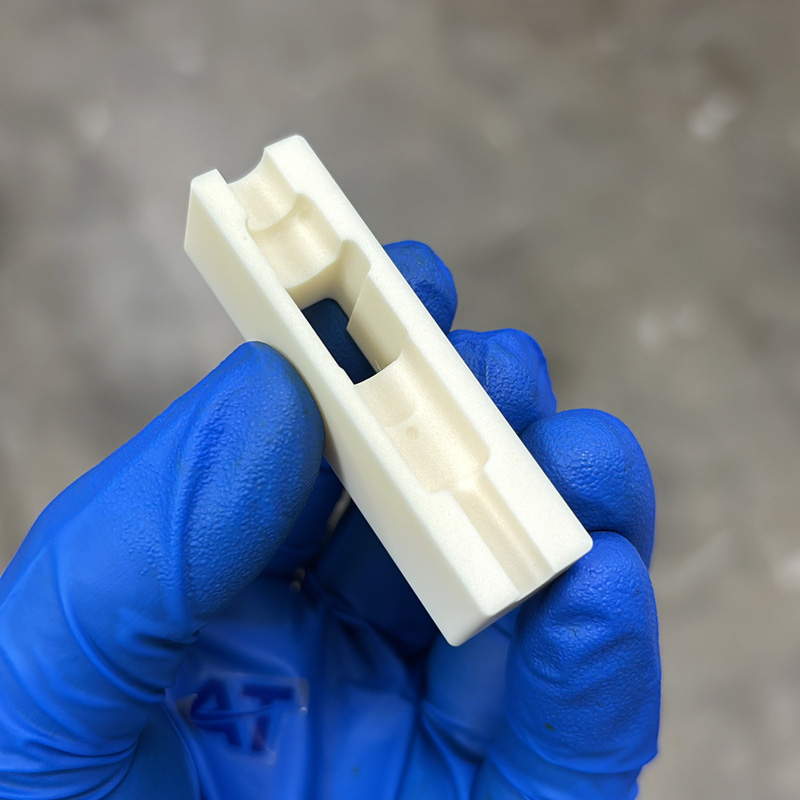
Grinding is a highly-utilized method of machining Ceramics while in their sintered state. Through its process, an abrasive wheel rotates to remove material from the workpiece’s surface, offering optimal precision and accuracy for efficient manufacturing solutions.
Ceramics have been a staple in aerospace and aviation due to their impressive heat resistance capabilities – however, forming them can be pretty challenging. While cutting or machining these materials may save on production costs upfront, incorrectly doing so could lead to costly structural integrity issues.
EDM machining is a powerful, reliable process, but its capabilities can be strained when it comes to semi-conductive and non-conductive ceramics. Such materials represent a real challenge for this manufacturing approach
Compared with most CNC materials, ceramics are not cost-effective
Ceramics may be durable, but when it comes to withstanding the strain of high-tensile strength applications, metals are typically a better choice.
From small slips to catastrophic crashes, ceramics are delicate and vulnerable – sustaining fatal damage when subjected to hard impacts or heavy hits.
With advanced manufacturing processes, machining ceramics requires close attention to accurate dimensional tolerances. It is a difficult task that demands precision and skill from experienced professionals.
Creating precise and usable products from ceramic materials requires a delicate process of continual material removal to modify the shape or size. With careful control, advanced CNC machining technology transforms raw ceramic into finely crafted objects with exacting specifications.