
 跳到内容
跳到内容 
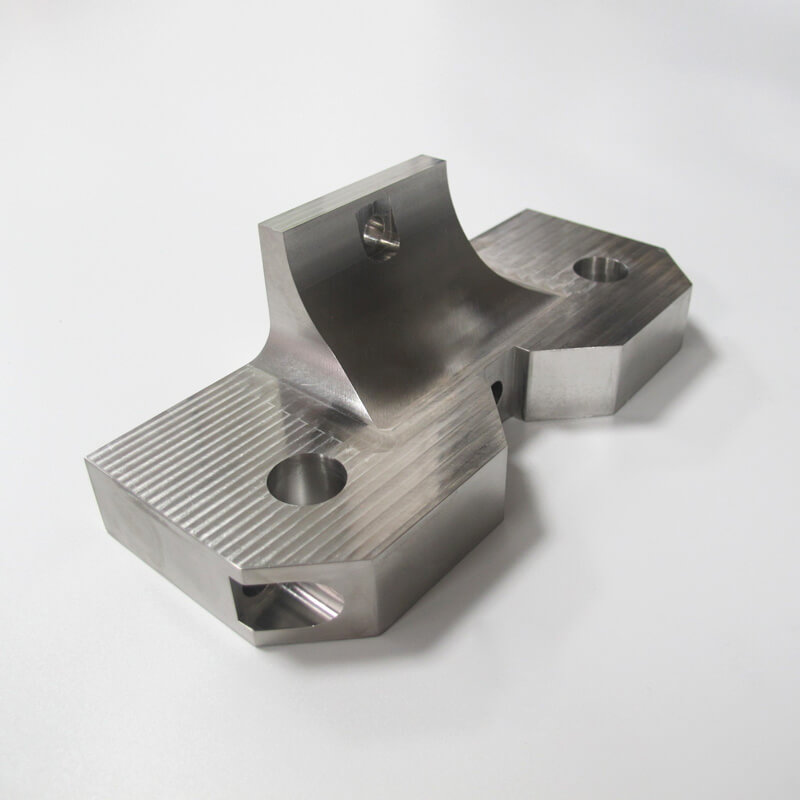
"As Machined" represents the raw state of a part immediately after the CNC machining process. It features visible tool marks and a texture determined by the cutting path of the tool. Since no secondary processing is applied, this finish offers the tightest dimensional tolerances and the fastest possible turnaround time.
It is the most cost-effective standard finish available. This option is primarily used for internal mechanical components, mounting brackets, and functional parts where aesthetic appearance is not a priority, but geometric precision and speed of delivery are critical.
| Material | All CNC materials |
|---|---|
| Price | $ (Lowest) |
| Key Feature | Tightest Tolerances |
| Application | Internal brackets, hidden structural parts |
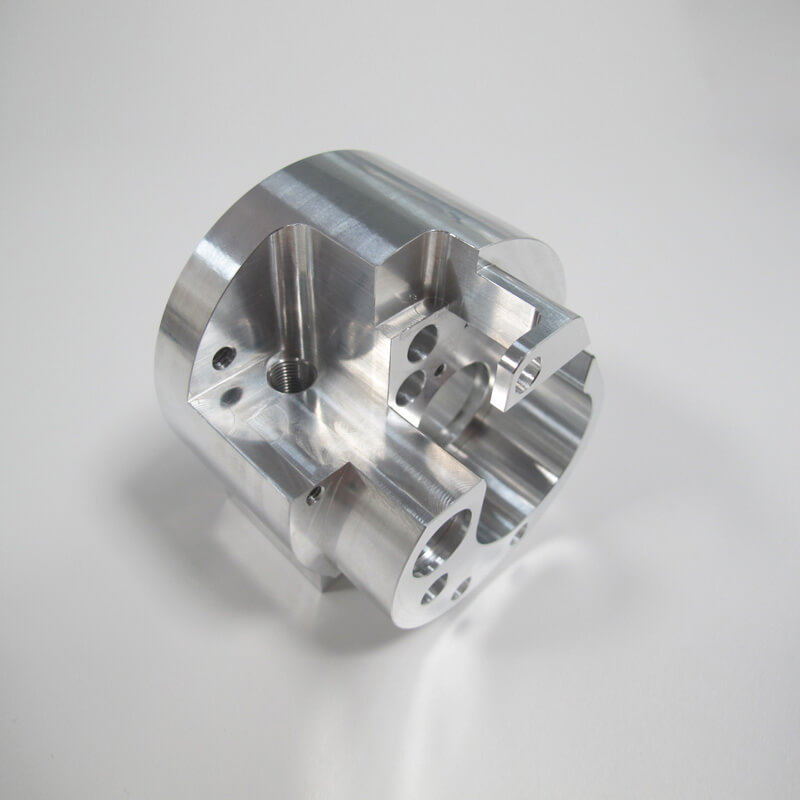
Smooth Machining achieves a superior surface quality compared to standard roughing passes by utilizing lower feed rates and specialized sharp finishing tools. While microscopic tool marks remain, the surface feels significantly smoother to the touch and appears more uniform to the naked eye.
This finish is essential for parts requiring precise mating surfaces, gaskets, or O-ring seals where roughness could compromise performance. It strikes a balance between cost and quality, making it suitable for high-precision fluid dynamics components and assemblies requiring reduced friction without post-processing.
| Material | All CNC materials |
|---|---|
| Price | $$ |
| Key Feature | Superior sealing surface |
| Application | Gasket surfaces, precision fitments |
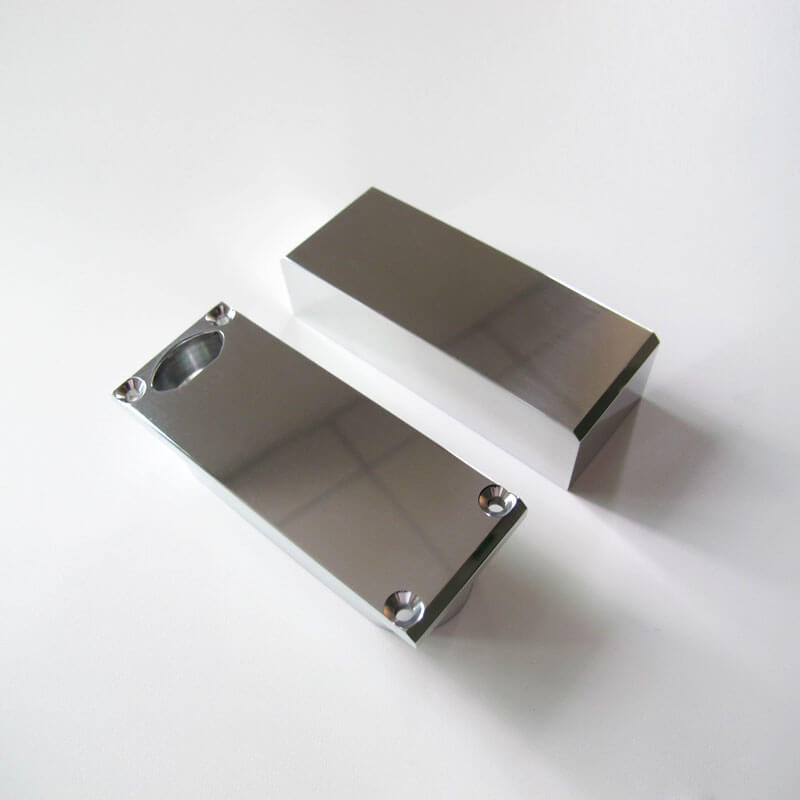
Polishing involves mechanical buffing or advanced chemical treatments to remove microscopic surface peaks and valleys. This process eliminates visible tool marks and scratches, resulting in a highly reflective, mirror-like aesthetic (Ra 0.8μm or better).
Beyond its stunning visual appeal, polishing significantly reduces surface friction and prevents contamination buildup. It is widely employed in the medical, automotive, and consumer electronics industries for decorative trim, optical reflectors, and sanitary components requiring easy cleaning and high-end presentation.
| Material | All materials |
|---|---|
| Price | $$$$ |
| Key Feature | Mirror-like reflection |
| Application | Optical parts, medical devices, trim |
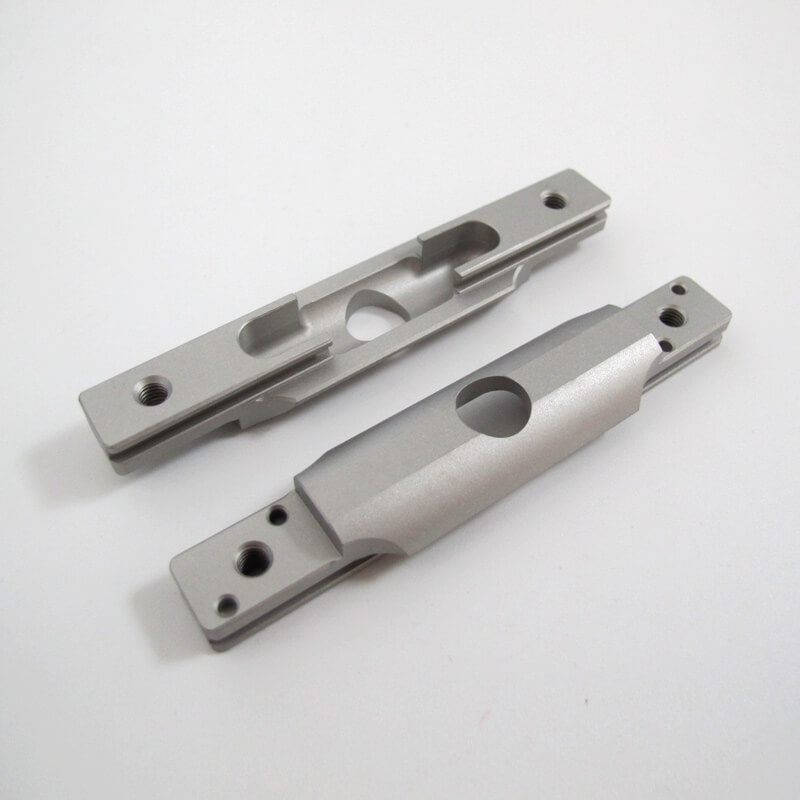
Bead Blasting is a mechanical process where fine glass beads or abrasive media are propelled at high pressure against the part's surface. This technique effectively removes machining lines and minor imperfections, creating a uniform, non-directional matte texture (satin finish).
The resulting surface is aesthetically pleasing and reduces light reflection (anti-glare). It is a popular choice for architectural fittings, automotive interiors, and consumer gadgets where a consistent, clean, and premium look is desired without altering dimensions significantly.
| Material | Aluminum, Steel, Brass |
|---|---|
| Price | $ |
| Key Feature | Uniform Matte Texture |
| Application | Cosmetic enclosures, handles |
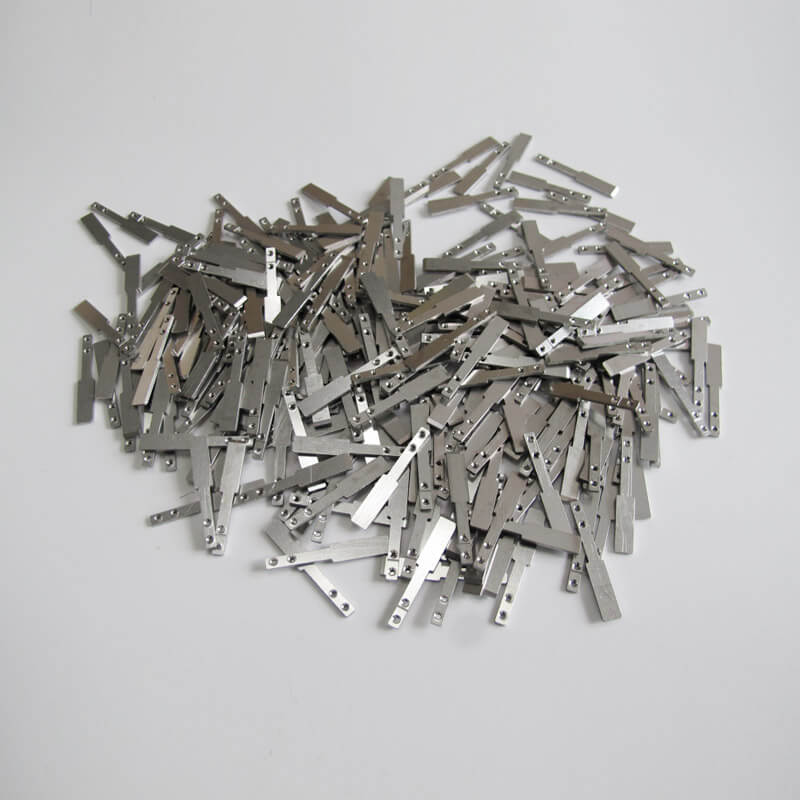
Tumbling, or vibratory finishing, involves placing parts into a vibrating bowl filled with abrasive media (ceramic or plastic) and lubricating fluids. The friction generated smoothes out sharp edges, removes burrs, and blends machining marks into a non-directional pattern.
This cost-effective batch process is ideal for deburring large quantities of small parts simultaneously. It is commonly used for fasteners, simple hardware, and internal engine components where edge safety and general surface uniformity are more important than a specific cosmetic appearance.
| Material | Metals & Plastics |
|---|---|
| Price | $ |
| Key Feature | Deburring & Edge Breaking |
| Application | Small hardware, high-volume parts |
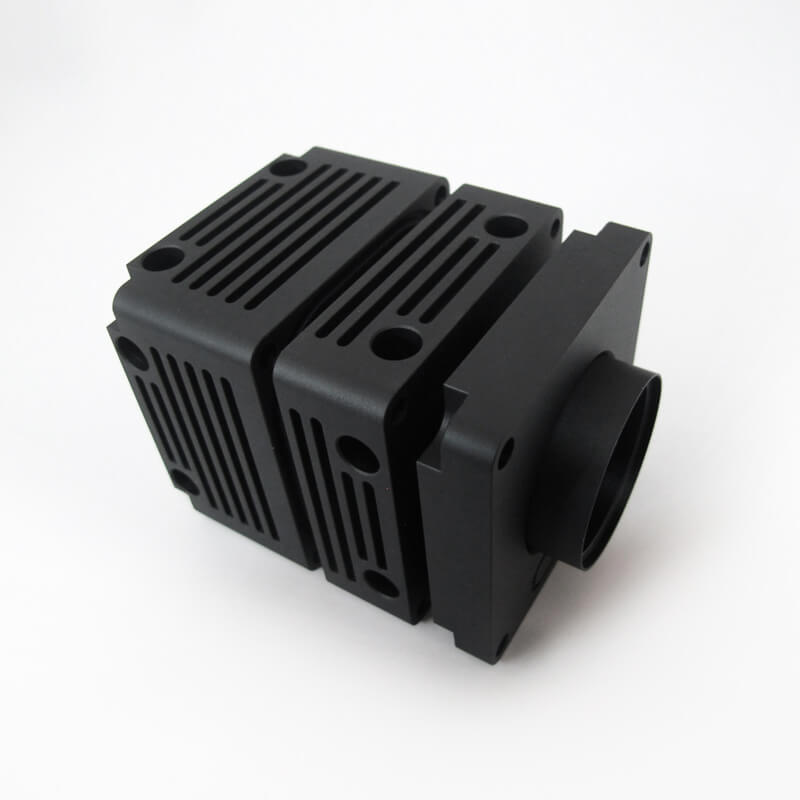
Type II Anodizing is an electrochemical process that converts the aluminum surface into a durable, corrosion-resistant anodic oxide finish. For the "Matte" variation, parts are bead blasted (#120 grit) prior to anodizing to diffuse light and completely hide machining marks.
This finish protects the metal against oxidation and everyday wear while offering a clean, modern look. It is the industry-standard choice for electronics housings, aerospace components, and robotics parts that require both durability and a specific color without a glossy sheen.
| Material | Aluminum |
|---|---|
| Colors | Black, Clear, Blue, Red, Gold |
| Price | $$ |
| Application | Consumer electronics, robotics |
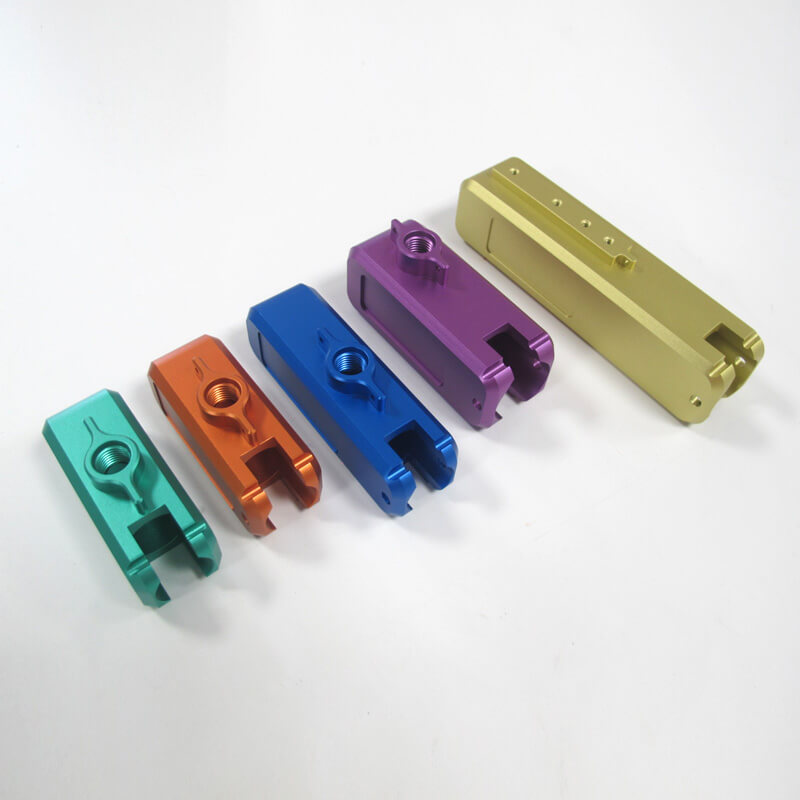
This variation of Type II Anodizing emphasizes a reflective, high-sheen appearance. Unlike the matte version, the aluminum is often chemically brightened or polished before the anodizing bath to preserve the metal’s luster.
The resulting oxide layer provides the same excellent corrosion resistance and color stability but with a premium, glass-like finish. It is extensively used in high-end consumer electronics, automotive trim, and decorative panels where visual depth and brilliance are paramount.
| Material | Aluminum |
|---|---|
| Colors | Black, Clear, Custom colors |
| Price | $$ |
| Application | High-end cosmetic parts |
Type III Hardcoat Anodizing utilizes lower temperatures and higher voltages to produce a significantly thicker and denser oxide layer than Type II. This "ceramic-like" coating offers extreme abrasion resistance and superior electrical insulation.
Due to the coating's density, it typically results in a darker, grayish-bronze natural color, though black is common. It is the preferred engineering finish for heavy-machinery gears, firearms, pistons, and aerospace valves that must withstand harsh environments and repetitive mechanical sliding.
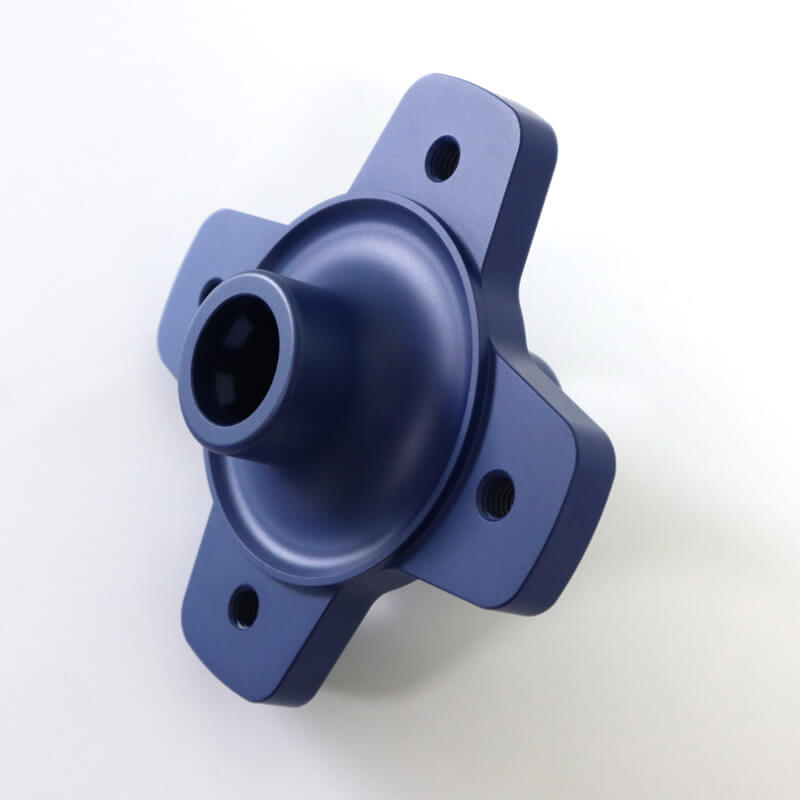
| Material | Aluminum |
|---|---|
| Price | $$$ |
| Key Feature | Extreme Wear Resistance |
| Application | Gears, pistons, military equipment |
Powder Coating involves applying a free-flowing, dry thermoplastic powder electrostatically to the surface, followed by curing in a high-temperature oven. The powder melts and flows to form a seamless, tough, and protective skin that is much thicker than conventional paint.
This finish offers exceptional resistance to impact, moisture, chemicals, and UV light. It is ideal for outdoor equipment, architectural metalwork, and appliances requiring vibrant colors and long-term weatherability.
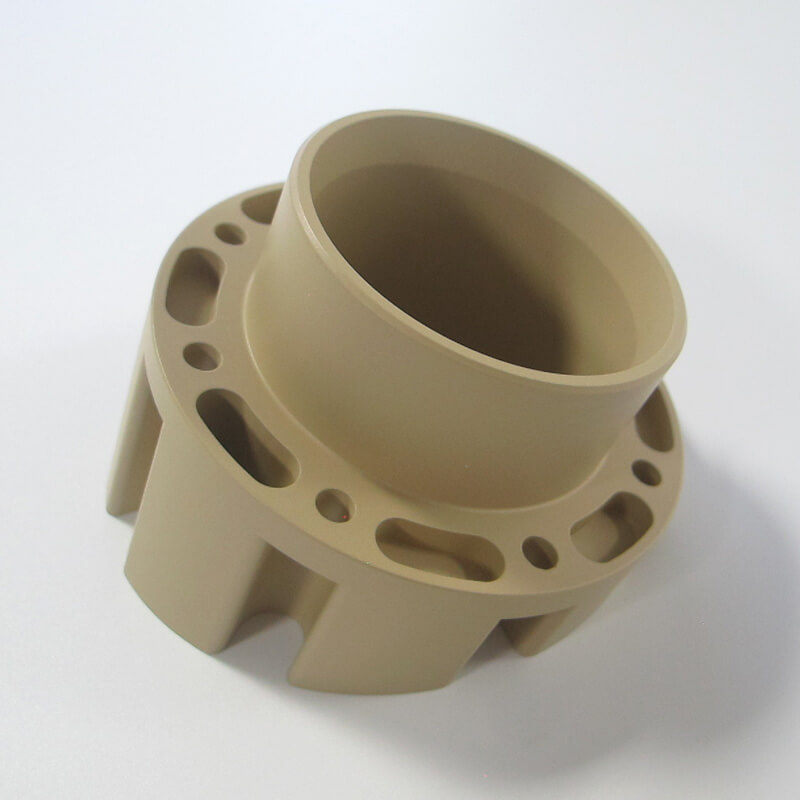
| Material | All Metals |
|---|---|
| Price | $$ |
| Key Feature | Durability & Color Variety |
| Application | Outdoor frames, heavy equipment |
Black Oxide is a chemical conversion coating mainly for ferrous metals (steel and stainless steel). It creates a magnetite (Fe3O4) layer on the surface without adding measurable thickness, ensuring part dimensions remain effectively unchanged.
While it offers mild corrosion resistance (often enhanced with an oil or wax dip), its primary benefits are reducing light reflection and providing visual stealth. It is the standard finish for cutting tools, fasteners, gears, and military components where maintaining tight tolerances is critical.
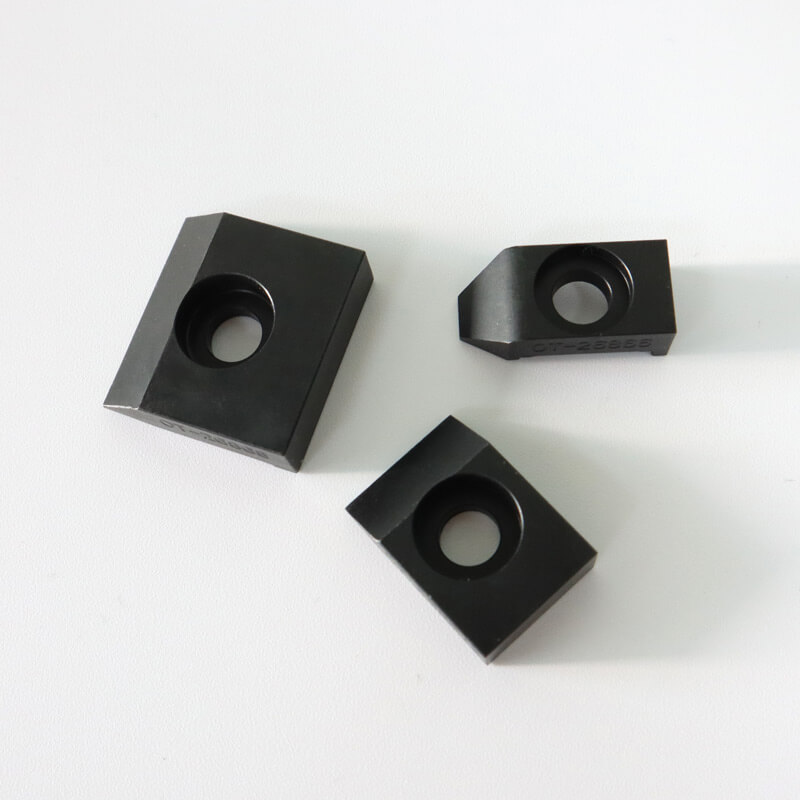
| Material | Steel, Stainless, Copper |
|---|---|
| Price | $$ |
| Key Feature | Zero dimensional change |
| Application | Fasteners, tools, gears |
Chromate Conversion Coating (often referred to as Alodine or Chem Film) chemically passivates aluminum surfaces. Unlike anodizing, this coating preserves the metal's electrical conductivity while providing significant corrosion resistance.
It creates a microscopic barrier that is self-healing if scratched. Common in the aerospace and electronics industries, it serves as an excellent primer base for painting or as a standalone finish for electronic chassis and heat sinks requiring electrical grounding.
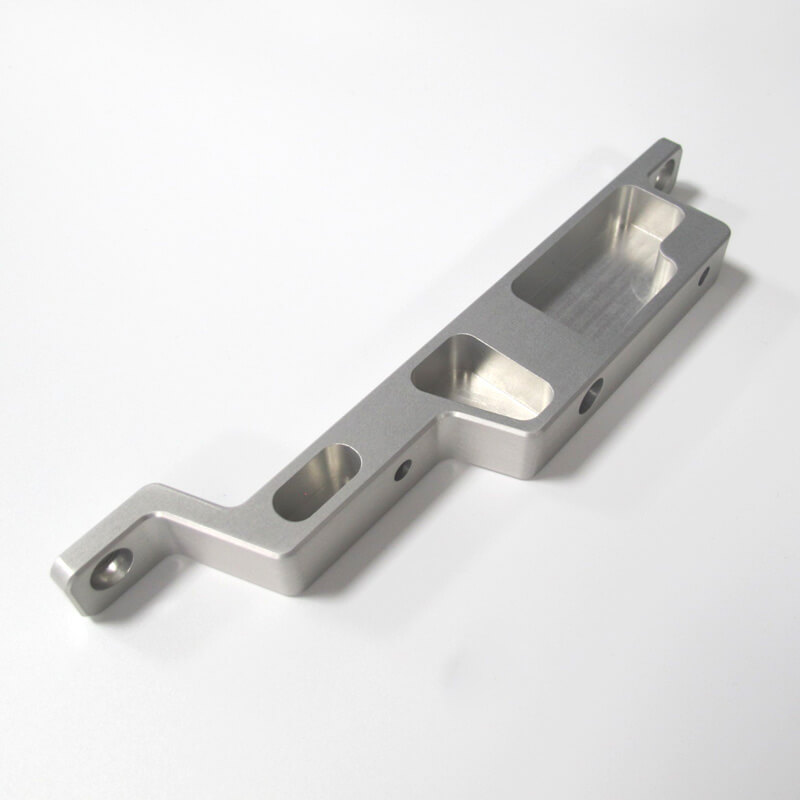
| Material | Aluminum |
|---|---|
| Colors | Clear, Yellow (Gold) |
| Price | $$ |
| Key Feature | Conductive + Corrosion Resistant |
Metal Plating involves depositing a thin layer of metal (such as Nickel, Zinc, Gold, or Chrome) onto a substrate using electrochemical or electroless processes. This technique fundamentally alters the surface properties, enhancing solderability, conductivity, hardness, and corrosion resistance.
It also provides a high-quality decorative finish. Plating is indispensable in the electronics industry for connectors (Gold), automotive for corrosion protection (Zinc), and heavy industry for wear resistance (Electroless Nickel).
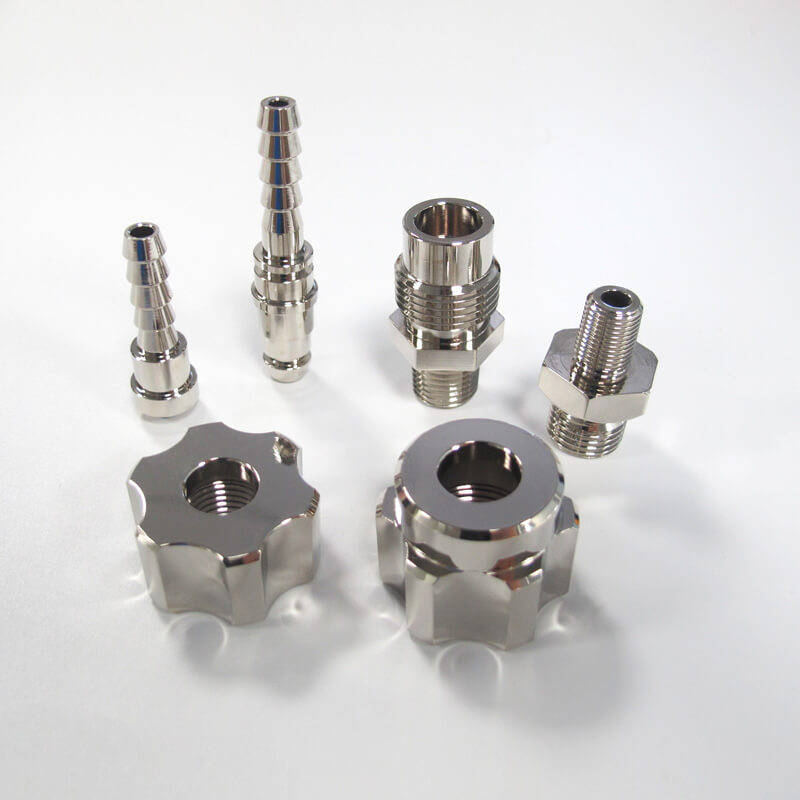
| Material | Various Metals |
|---|---|
| Price | $ - $$$$ |
| Key Feature | Functional & Decorative |
| Application | Connectors, automotive, hardware |
Diamond-Like Carbon (DLC) is an advanced PVD (Physical Vapor Deposition) coating that provides the unique properties of natural diamond: extreme hardness and a low coefficient of friction. The coating is chemically inert and forms a sleek, dark grey to black finish.
DLC is engineered for high-performance applications where components face extreme friction and wear. It is typically applied to automotive engine parts, medical injection molds, and high-end watch movements to extend lifespan and improve efficiency.
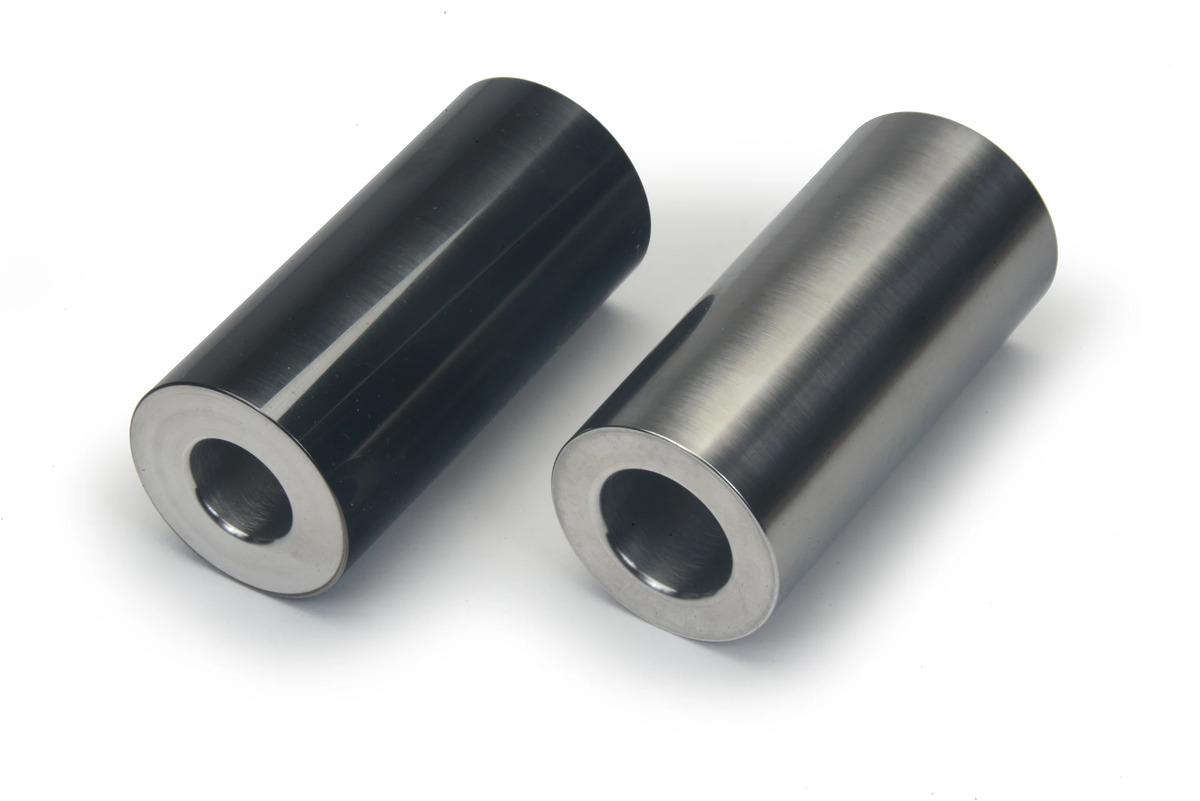
| Material | Metals |
|---|---|
| Price | $$$$$ |
| Key Feature | Low friction & Extreme Hardness |
| Application | Engine parts, medical tools, watches |
Physical Vapor Deposition (PVD) is a vacuum coating process that vaporizes a solid metal source (such as titanium, zirconium, or chrome) and condenses it on the substrate to form a thin, highly durable film. Unlike traditional plating, PVD forms an atomic bond with the base material, ensuring it will not chip or flake.
This finish is renowned for its hardness, wear resistance, and wide range of metallic colors (including Gold, Rose Gold, and Rainbow). It is the premier choice for decorative bathroom fixtures, high-end watches, medical instruments, and cutting tools requiring both aesthetic appeal and functional longevity.

| Material | Stainless Steel, Titanium, Chrome |
|---|---|
| Colors | Gold, Bronze, Blue, Black, Rainbow |
| Price | $$$$ |
| Key Feature | Hardness & Decorative Colors |