跳到内容
跳到内容 

What is Regular Anodizing?


In this electrochemical process, an oxide surface layer is applied to a metal surface. This leads to improved durability and produces a visually appealing finish. Although anodizing is most frequently used on aluminum alloy, it can also be done on titanium and magnesium.
This procedure ensures that parts maintain their aesthetic appeal over time by providing enhanced resistance to corrosion and wear. Similar to services for heat treatment, tempering, or electroplating, manufacturers frequently contract with specialized third parties to handle anodizing.

Type I (chromic acid anodize), Type II (sulfuric acid bath anodise), and Type III (hardcoat) are the three most popular forms of anodizing. Each type has unique manufacturing settings and is appropriate for various materials. They all work similarly, even though each variety has unique advantages and possible disadvantages.
Anodizing is the process of forming an artificial porous oxide layer on the surface of a non-ferrous alloy. The most common type of anodizing is aluminum-based alloys, and Type III anodizing, commonly referred to as hard coat, produces the most resilient anodized layer of all (between 400 and 600HV on the Vickers scale). In addition to making the surface electrically resistant and insulating, the procedure is also known by its U.S. military specification, “MIL-PRF-8625F.” Cleaning and maintenance are simple, often requiring only a mild detergent, which helps reduce surface damage over time
Benefits of Hard Anodizing
Parts that need better mechanical, corrosion, or dielectric performance are frequently treated with hard coat anodizing. Here are a few of the advantages:
- Enhanced Durability: An aluminium part’s surface hardness and abrasion resistance are greatly increased by hard coat anodizing. It is possible to achieve surface hardnesses that are comparable to the hardness of some tool steels, ranging from 400 to 600 HV (Vickers Hardness).
- Electrical Resistivity: Because of its high dielectric strength, the durable oxide layer formed during hard coat anodizing acts as an insulator; the thicker the oxide layer, the higher the resistivity.
- Outstanding Resistance to Corrosion: This thick layer prevents rust and chemical deterioration. It works effectively in industrial and maritime settings.
Drawbacks of Hard Anodizing
Hard coat anodizing can improve the surface properties of aluminium parts, but there are some drawbacks to be aware of. Here are some common drawbacks of hard anodizing:
- Reduced Fatigue Strength: Aluminium items with extremely thick hard coat anodizing layers typically have lower fatigue strengths. Type I or Type IB coatings are advised if the service environment involves exposure to cyclic loads.
- Limited Colouring Options: Although hard-coat anodized parts can be dyed, the colours produced tend to be darker than those produced by Type II aluminium anodizing. For example, in some cases, the as-anodized surface can have a dark grey or bronze grey hue. Dyeing parts after hard coat anodizing needs an additional sealing step, but sealing will lessen the coating’s abrasion properties.
What is Hard Coat Anodizing?
Alloy metals can be strengthened and made more resilient by a fabrication and surface finishing technique called hardcoat anodizing. Hard anodizing produces a protective oxide coating that is.002″ thick, which is occasionally twice as thick as the layer produced by standard anodizing. It is frequently applied to aluminium and increases the material’s resistance to wear and tear, corrosion, and scratches. This procedure is especially beneficial for sections that are subjected to harsh conditions and the elements.
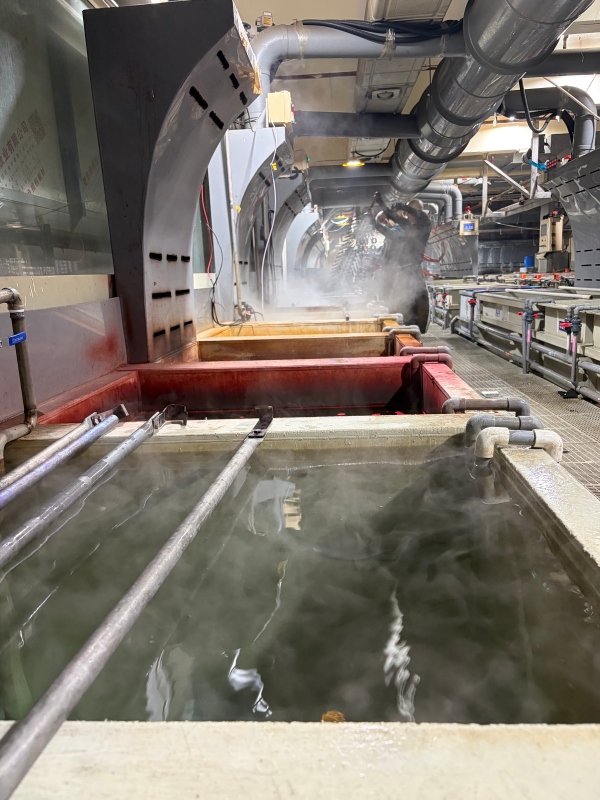

You can use dyes to colour hard coat anodized surfaces. However, if you prefer appearance over endurance, try the Type II sulphuric acid process, which is easier to dye and offers a wider range of colours. The hard anodizing can be used with titanium, magnesium, and other materials in addition to aluminium, rendering their surfaces non-conductive and, in certain situations, aesthetically pleasing.
The fact that this procedure is commonly employed in the fields of optics, defence, aerospace, food service, architecture, and medicine is not surprising. However, as with any manufacturing process, there are a few drawbacks that you may want to consider. The fatigue strength of the part will probably be decreased first.
Additionally, the heavy oxide layer in hardcoat anodizing makes it deeper and nearly bronze-gray in colour, so you won’t have as many colour choices as with other types. This thickness also shows strong adhesion that can help to reduce friction. If you wish to dye hard-coat anodized items, you will need to seal the surface, which will probably lessen their abrasion resistance.
Benefits of Regular Anodizing
Here are some of the advantages of regular anodizing:
- Aesthetics Purposes: these sections can be dyed nearly any colour. As a result, consumer goods and brand-specific designs benefit greatly from it.
- Lightweight Finish: There is less weight or bulk added because the oxide layer is thinner (1.8 to 25 µm). Because of this, it works well for lightweight and precise parts.
- Affordability: Compared to hard anodizing, ordinary anodizing is less expensive. Additionally, less time and energy are expended.
Drawbacks of Regular Anodizing
Here are the possible drawbacks of regular anodizing:
- Reduced Wear Resistance: This layer lacks resilience. With frequent use, it may scrape or wear out more quickly.
- Limited Thickness: Parts that require thick, deep coatings for high abrasion or impact cannot be anodised using standard techniques.
- Colour Fading Over Time: Compared to natural finishes, this type of anodizing may fade more quickly in bright colours or with repeated exposure to UV light. RICHCONN uses cutting-edge sealing methods to help dyes endure longer and remain brilliant, even for portions that are exposed to sunlight or the elements.
Key Differences Between Hard and Regular Anodizing

Here are the main differences between hard and regular anodizing:
Appearance
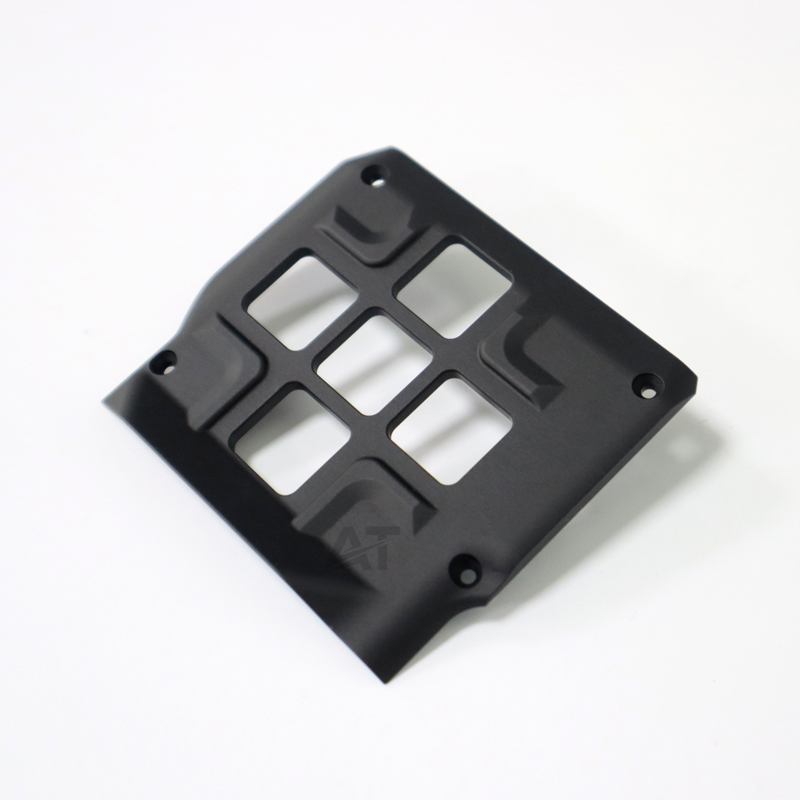
The two methods produce distinct appearances. Regular anodizing is used for decorative applications. This is because of its porosity; it can absorb a variety of dyes (like black dye) and create a wide range of vibrant colours. It is also less expensive due to its lower power consumption, easier setup, and quicker completion time. Hard anodizing creates a significantly thicker layer than regular anodizing. Due to the limited colour options, the majority of pieces have a dark grey or black finish.
Wear and Abrasion Resistance
There is a significant difference in wear resistance. Hard anodizing creates a surface that can be even harder than case-hardened steel and has exceptional wear resistance. It works well for sections subjected to high levels of friction or intensive industrial use.
Regular anodizing only provides moderate protection against scratches and scuffs, in contrast to hard anodizing. Consequently, it works well for ornamental objects or metal components that don’t experience a lot of mechanical wear.
Coating Thickness
| Alloy | Hardcoat Quality | Color Consistency | Typical Thickness Range |
|---|---|---|---|
| 6061 | Excellent | Uniform | 25–75 µm |
| 7075 | Very Good | Slight tone variation | 25–60 µm |
| 2024 | Moderate | Darker tone | 25–50 µm |
| 5052 | Good | Uniform | 25–60 µm |
Type II anodizing, or ordinary anodizing, creates a thin layer. Typically, it is between 1.8 and 25 micrometres (µm) thick. This helps maintain tight dimensional accuracy, which is important for parts with tight tolerances. In contrast, hard anodizing (Type III anodizing) creates a layer that is between 13 and 150 µm thick and substantially stronger.
Surface Hardness
A typical anodized surface has a hardness of 150–250 HV, which is a baseline level of protection. In contrast, hard anodizing can reach 1000 HV and has a hardness of 300 to 600 HV. This hardness makes CNC parts resistant to wear and as durable as many steels. lo
Corrosion Resistance
Corrosion resistance is increased by both regular and hard anodizing. Better protection is provided by the thicker, denser layer that hard anodizing creates. This is suitable for industrial or maritime applications. In a salt spray test, a high-quality hard anodized coating can withstand corrosion for more than 336 hours.
Regular anodizing provides good corrosion protection for general-purpose parts, but it requires a sealing step to seal surface pores and strengthen defense. This is possible because of the oxide film.


Voltage and Current Density
The electrical parameters determine the coating’s final characteristics. The dense oxide layer is created during any anodizing process by the current density that is applied. Regular anodizing employs a lower electric current density, often at 15 to 30 volts and between 1.0 and 1.5 A/dm².
Hard anodizing, however, requires more electricity. It creates a thicker and more robust oxide layer by using 2 to 5.5 A/dm² and up to 100V.
Electrolyte and Temperature
Sulfuric acid bath is used as an electrolyte in both procedures, although the temperatures are different. Conventional anodizing is carried out at room temperature, often between 15 and 25°C. A more permeable layer is created by these heated environmental factors.
In contrast, a much cooler electrolytic solution, typically below 5°C, is used in hard anodizing. By slowing down oxide breakdown, the lower temperature aids in the formation of a denser, more durable and thicker coating.
Dimensional and Surface Effects
The coating expands both inward and outward from the aluminum oxide surface during the anodising process. Sulfuric acid anodizing thickens each layer by 1.8 to 25 µm, with roughly half of that thickness on each side. This maintains the surface smooth and causes minimal change in part size.
On the other hand, harsh anodizing (Type III) can make the surface two to three times rougher than bare metal and create significantly thicker layers, up to 150 µm. Additionally, applying hard anodising requires better dimensional control for precision CNC items.
Thermal and Electrical Properties
Anodizing produces an electrically insulating layer of aluminum oxide. Hard anodizing creates a stronger, thicker layer that can withstand up to 2000V and improve insulation. Additionally, this coating aids in heat regulation because it transfers less heat than a bare aluminum part.
Additionally, hard anodized surfaces have a high heat resistance and may withstand brief exposure to 2000°C.
Cost and Long-term Value
Type II anodizing is generally less expensive upfront, making it attractive for applications with moderate performance requirements. However, in harsh or high-wear environments, its protective layer may require more frequent maintenance or replacement, increasing the total cost of ownership over time.
Type III anodizing, while more expensive initially, delivers significantly greater durability. It can provide 5–10 years or more of protection, even in demanding environments. Because of its superior wear and corrosion resistance, you’re sure of reduced maintenance costs and minimized replacement frequency. This often results in lower long-term costs despite the higher initial investment.
Summary of Hard Anodizing vs Regular Anodizing
Below is a table summarizing the key differences between hard anodizing and regular anodizing:
| Feature | Regular Anodizing (Type II) | Hard Anodizing (Type III) |
|---|---|---|
| Appearance | Bright, decorative finish; wide color options due to open pores | Usually dark gray or black; limited color options |
| Wear Resistance | Moderate scratch and scuff protection | Extremely high wear resistance; can be harder than case-hardened steel |
| Coating Thickness | 1.8–25 μm | 13–150 μm |
| Surface Hardness | ~150–250 HV | 300–600 HV (can approach 1000 HV) |
| Corrosion Resistance | Good protection (requires sealing) | Superior protection; can exceed 336 hours in salt spray test |
| Voltage & Current Density | 15–30 V; 1.0–1.5 A/dm² | Up to 100 V; 2–5.5 A/dm² |
| Electrolyte Temperature | 15–25°C (room temperature) | Below 5°C (low temperature process) |
| Dimensional Impact | Minimal dimensional change; smoother surface | Thicker buildup; surface can be 2–3× rougher |
| Thermal & Electrical Properties | Electrically insulating | Stronger insulation (up to 2000V); higher heat resistance |
| Cost | Lower upfront cost | Higher upfront cost |
| Long-Term Value | May require maintenance/replacement in harsh environments | 5–10+ years protection; lower long-term cost in demanding use |
Applications of Regular Anodizing
Type II anodizing, while less extreme in performance, remains suitable for components that must endure moderately harsh environments, including automotive and some aircraft parts. In addition, its more open pore structure allows it to absorb dyes effectively, making it ideal for decorative applications that require a wide range of vibrant and consistent colors.

With 30 years of CNC experience, Sam is dedicated to solving complex design and machining challenges, ensuring precision and efficiency for every customer project.
[email protected]Best Practice for Anodizing
Overtap internal threads to accommodate the significant thickness of Type III anodizing, preventing assembly failures caused by reduced pitch diameters after the final processing.
Contact Our CNC Machining ExpertBelow are some applications of regular anodizing:
Architectural and Building Materials
Aluminium windows, doors, roofing sheets, and cladding panels commonly undergo regular anodizing to improve corrosion resistance due to exposure to the harsh environment, as well as to provide an attractive finished product.
Consumer and Household Products
Regular anodizing can be used to anodize cookware, cooking utensils, electronic enclosures, and decorative items. Regular anodized surfaces improve the appearance of the products, as well as increase their longevity and make them more resistant to staining and corrosion.
Light Engineering and Automotive Components
In automobiles and light industrial applications, regular anodized finishes are used for trim, panels, brackets, and enclosures. Regular anodized finishes provide moderate wear resistance and electrical insulation without adding weight.
Applications of Hard Anodizing
Hard anodizing is widely selected for high-performance industries where durability is critical. In aerospace applications, it provides the wear resistance and surface hardness required for components exposed to friction and extreme operating conditions.

Here are a few applications of hard anodizing:
Aircraft Parts and Aviation Components
Anodizing parts of an aeroplane affects the ability of the aeroplane to fly safely. Anodized hydraulic components, pistons, and structural fittings for airplanes provide high strength and resistance to wear and corrosion when exposed to extreme conditions.
Parts of Automobiles and Heavy Duty Engineering
Anodizing is widely used on automotive types of vehicles, including engines, brakes, suspensions, valves, and cylinders. Due to this treatment, they have a high level of protection from wear and surface damage caused by friction, heat, and repetitive mechanical loading.
Military Equipment, Medical Devices, & Industrial Machinery
Anodizing treatments also provide a reliable level of durability and service for military companies such as guns, medical devices such as surgical instruments or surgical instruments, and parts of industrial machinery that are regularly subjected to extreme conditions.
In these cases, the application of anodized material’s surface creates an additional layer of durability and reliability.
Conclusion
Ultimately, the choice between Regular Anodizing (Type II) and Hard Anodizing (Type III) depends on your application’s specific environment. Type II provides excellent corrosion resistance and vibrant aesthetic options at a cost-effective price point. In contrast, Type III delivers the extreme surface hardness and wear resistance required for heavy-duty engineering applications.
Selecting the right finish is only half the battle; the other half is ensuring the substrate is machined to perfection. This is where AT-Machining excels. As a premier CNC machining factory, we provide a seamless one-stop solution for your projects. While we handle high-precision machining in-house, we partner with long-term, certified anodizing specialists to execute the post-processing. This allows us to combine our machining expertise with industry-leading finishing techniques, ensuring every part meets your exact tolerances and quality standards.