...

Plastic CNC Machining Services

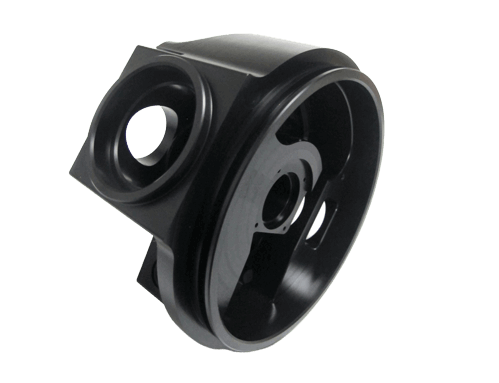
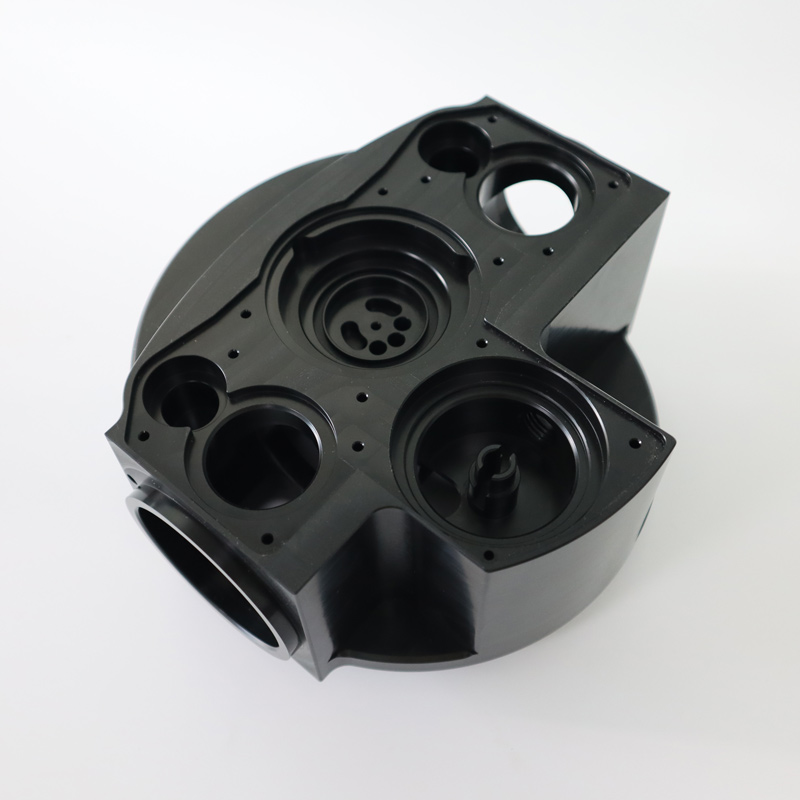
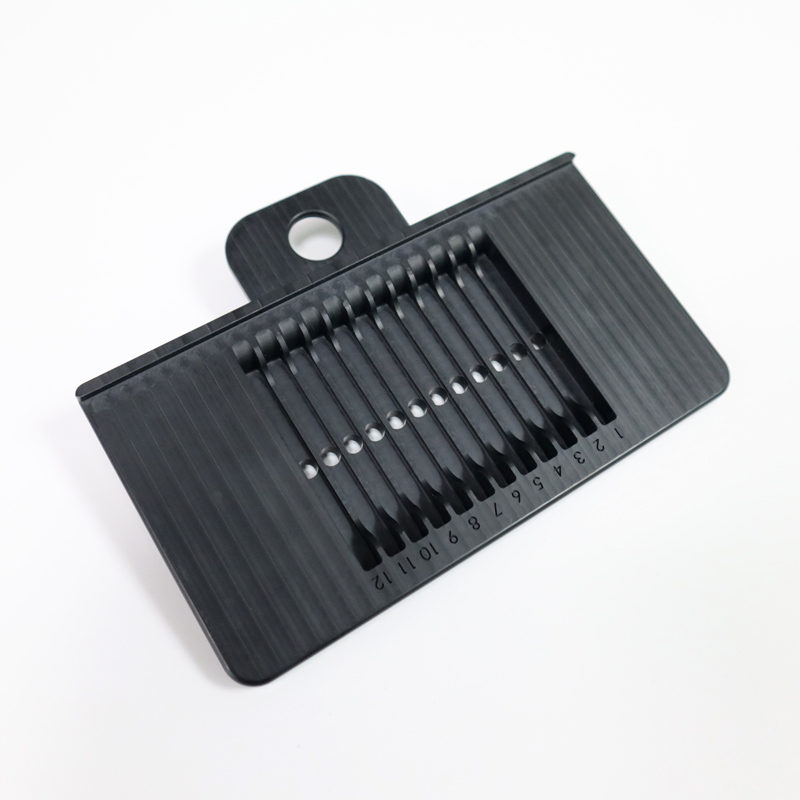
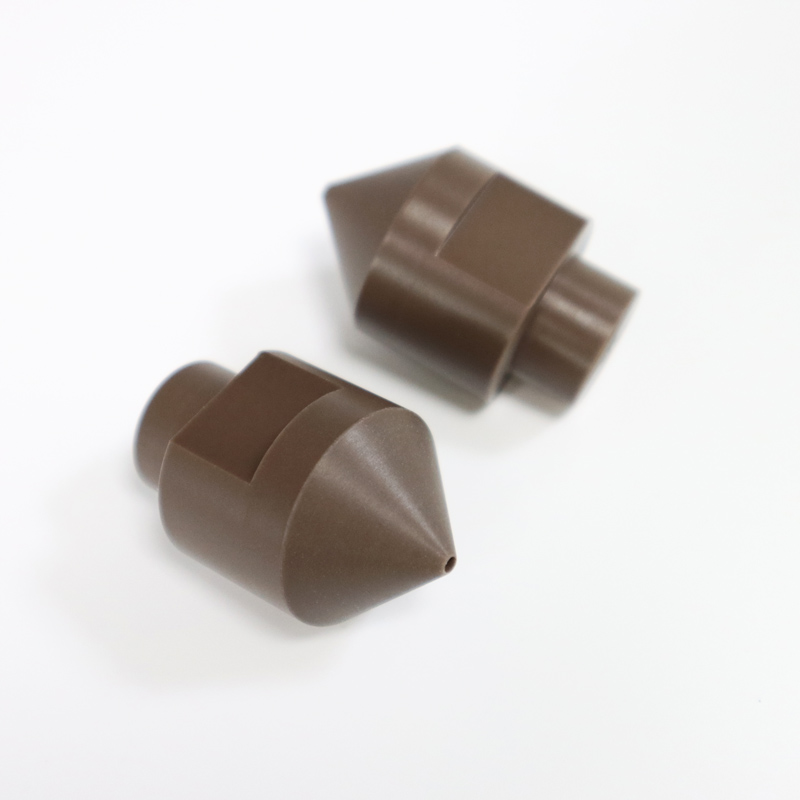
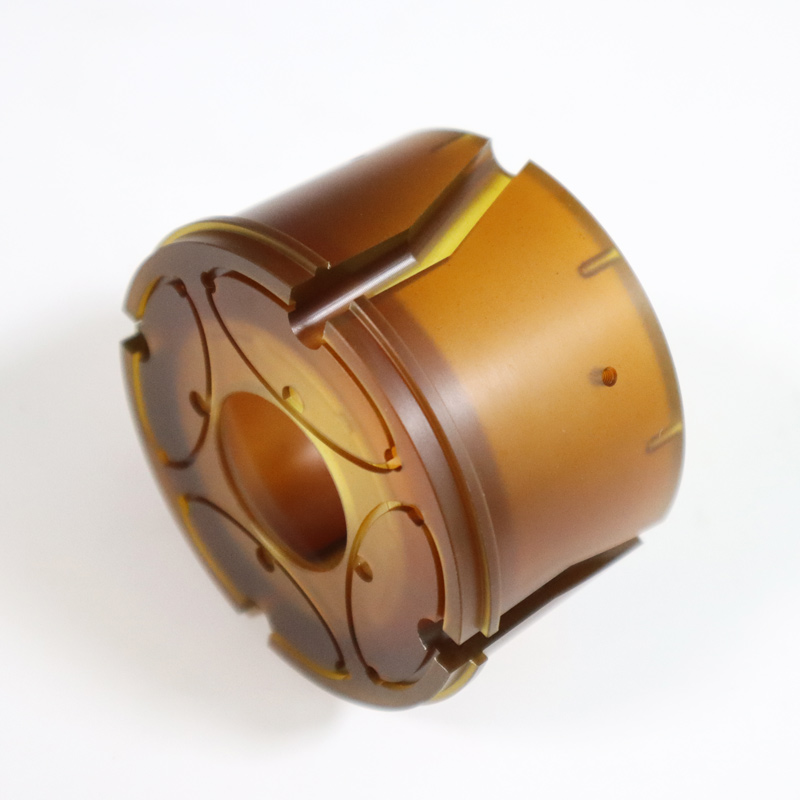
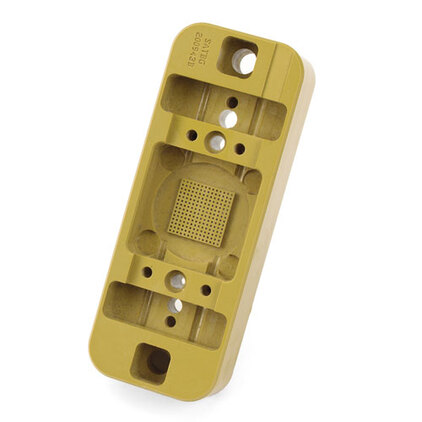
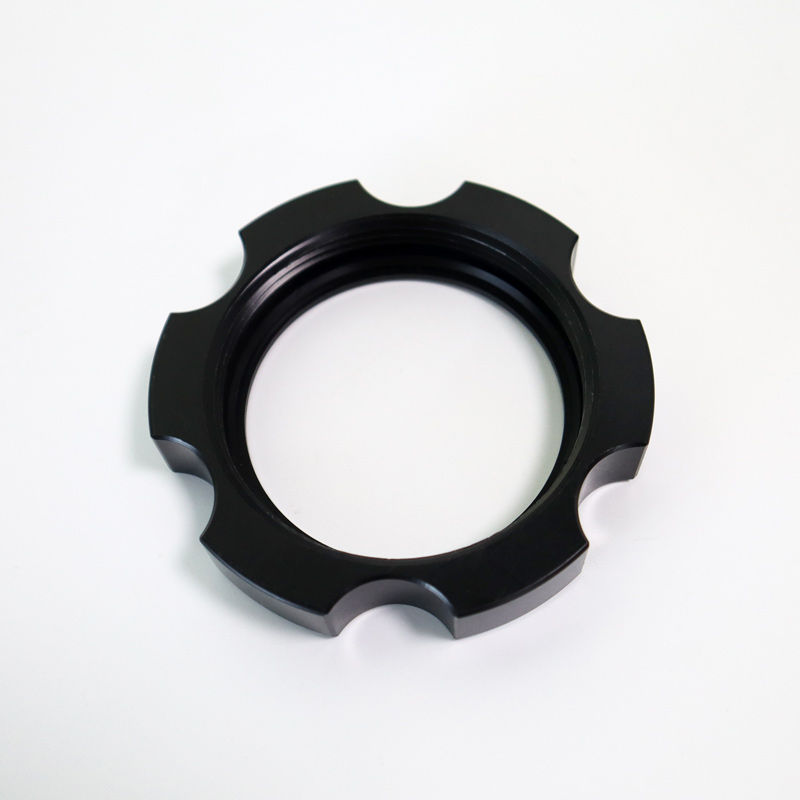
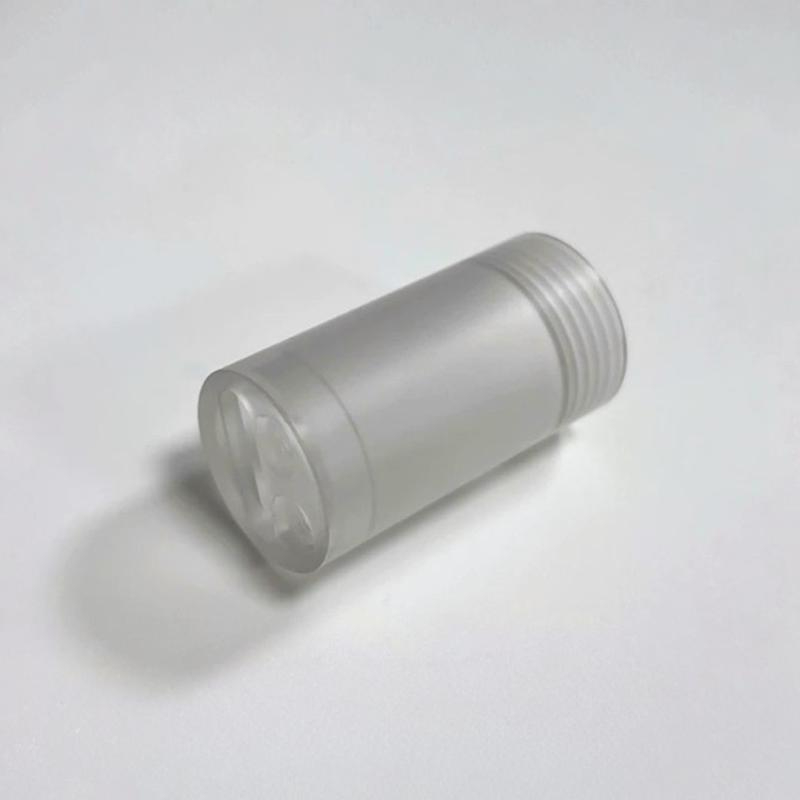
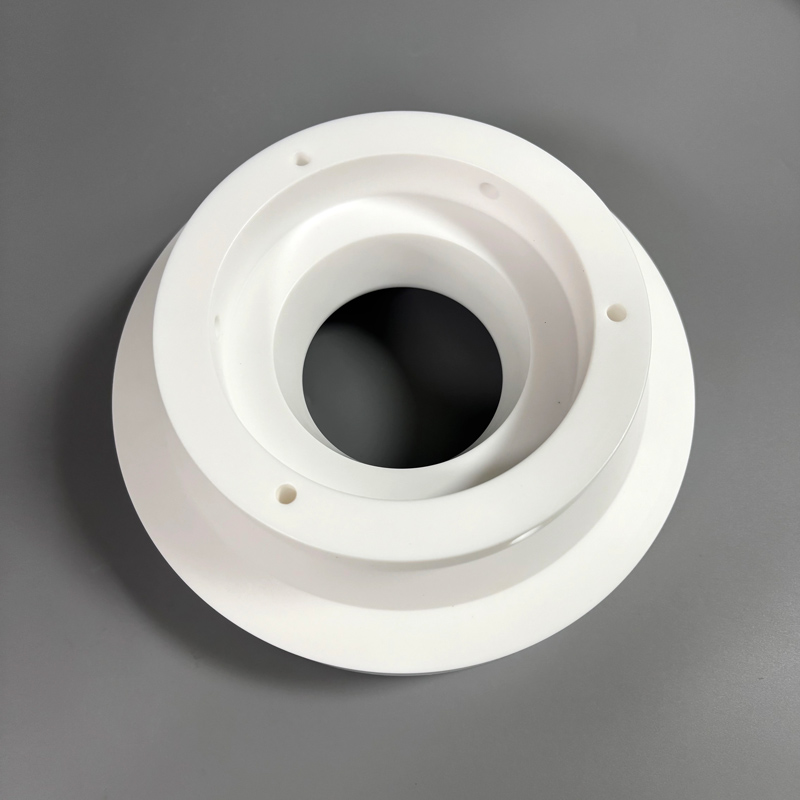
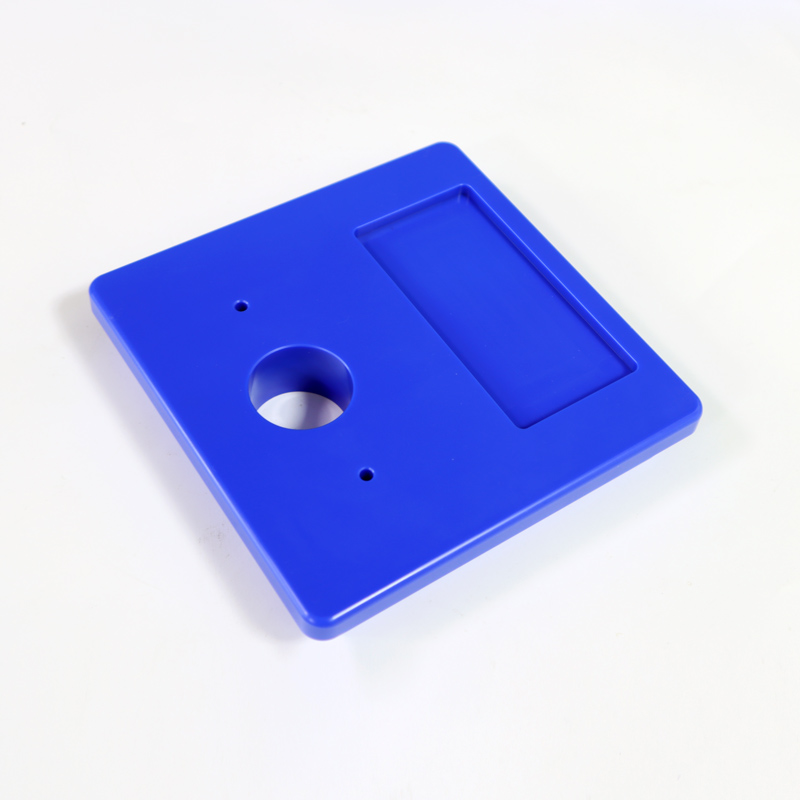
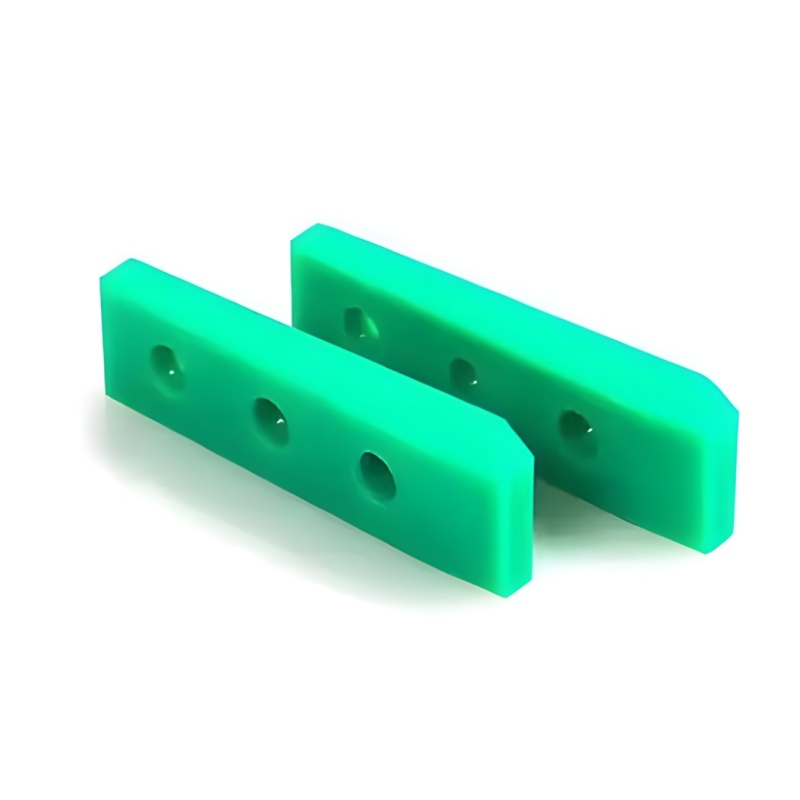
AT-Machining offers a diverse range of plastic for CNC machining, with applications in a variety of industries. Ideal for one-off prototypes as well as end-use custom parts.

cnc machining plastic

CNC Machining Plastic

Choosing the proper plastic for CNC machining involves considering some factors. The plastic you select is critical to the final success. For example, the plastic may need to be resistant to high temperatures or bend or break under pressure. When choosing the correct plastic, corrosion resistance, workability, pricing, weight, and visual look all play a role.

POM (Delrin/Acetal)

POM is a semi-crystalline thermoplastic known for its high stiffness, low friction, and excellent dimensional stability. With a medium cost ($$), it is the industry standard for precision gears, bushings, sliding mechanisms.

CNC Best Practice

Standard sharp tools work well. Use coolants to prevent overheating, but POM is generally free-machining.

9,000 – 11,000 psiTensile Strength
0.8 – 1.5 ft-lbs/inImpact Strength
220 – 257 °FHeat Deflection

ABS

ABS is a low-cost, impact-resistant thermoplastic offering good machinability and balanced strength. It is commonly used for housings, enclosures, fixtures, and prototypes. ABS machines easily but softens under heat, making it suitable for light structural parts rather than high-load or high-temperature CNC applications.

CNC Best Practice

Control cutting heat carefully; excessive spindle speed causes melting, poor surface finish, and dimensional inaccuracy during extended machining.

5,500–6,500 psiTensile Strength
3.0–6.0 ft-lbs/inImpact Strength
190–215 °FHeat Deflection

Nylon (PA 6 / PA 66)

Nylon is a cost-effective engineering plastic offering high toughness, fatigue resistance, and wear performance. It is widely used for gears, rollers, bushings, and structural components. Moisture absorption affects dimensions, so designers must account for environmental conditions when specifying nylon for precision CNC machining applications.

CNC Best Practice

Account for moisture absorption; machine nylon after conditioning and allow extra tolerance for post-machining dimensional stabilization.

7,000–12,000 psiTensile Strength
1.0–4.0 ft-lbs/inImpact Strength
200–250 °FHeat Deflection

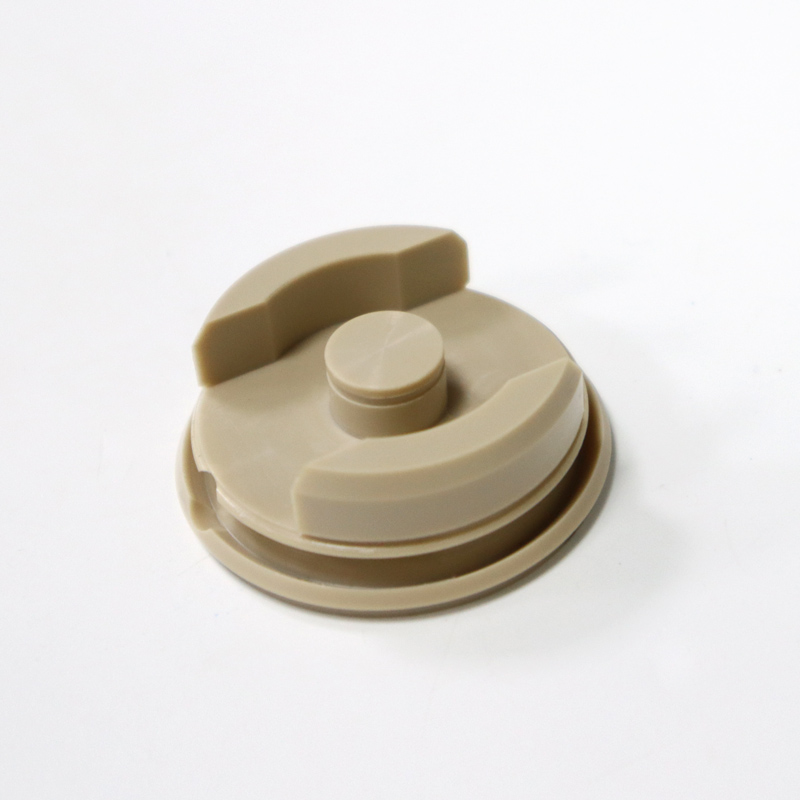
PEEK

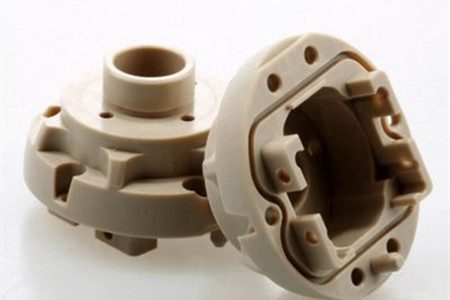
PEEK is a high-cost, high-performance thermoplastic offering exceptional strength, stiffness, and thermal resistance. It is used in aerospace, medical, oil and gas, and semiconductor industries. PEEK maintains mechanical properties at elevated temperatures and withstands aggressive chemicals, making it ideal for demanding CNC-machined applications.

CNC Best Practice

Use rigid fixturing and sharp carbide tools; excessive heat causes surface glazing and dimensional drift during deep machining operations.

14,000–16,000 psiTensile Strength
0.8–1.2 ft-lbs/inImpact Strength
300–340 °FHeat Deflection

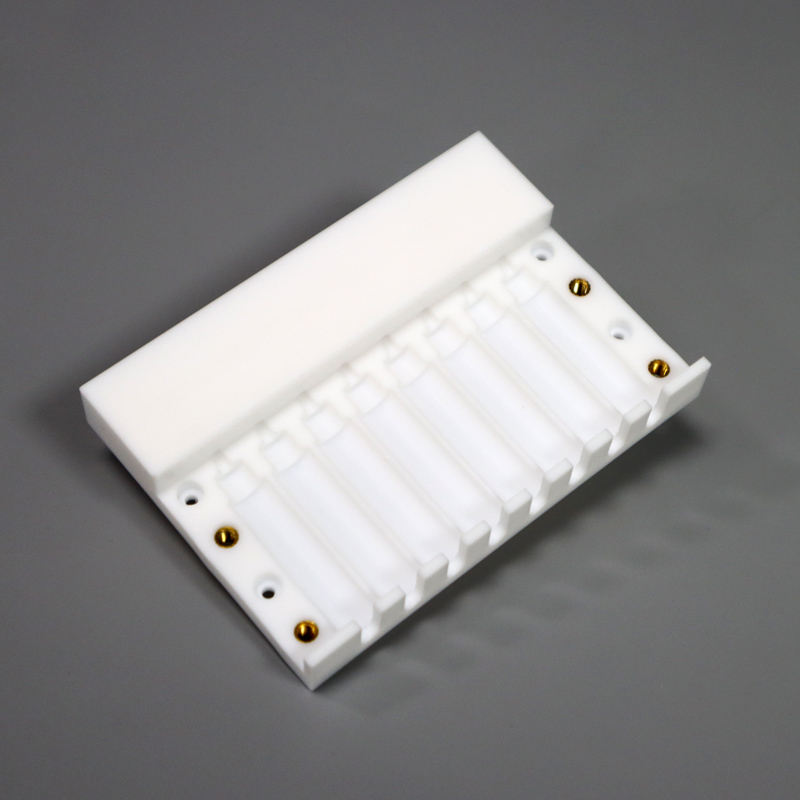
PTFE (Teflon)

PTFE is a soft, high-cost fluoropolymer known for extreme chemical resistance, low friction, and wide temperature capability. It is commonly used for seals, insulators, valve components, and bearings. PTFE lacks stiffness and strength, requiring careful design and machining strategies in CNC applications.

CNC Best Practice

Minimize clamping pressure; PTFE creeps easily, so excessive fixturing force causes permanent deformation and tolerance loss.

3,000–4,000 psiTensile Strength
No breakImpact Strength
200–260 °FHeat Deflection

PVC

Rigid PVC is a low-cost plastic offering good chemical resistance and electrical insulation. It is widely used for industrial panels, fluid handling parts, and enclosures. PVC machines easily but softens quickly under heat, making conservative cutting parameters essential for accurate CNC machining results.

CNC Best Practice

Use light cuts and sharp tools; overheating causes edge melting, discoloration, and poor dimensional control.

6,000–7,500 psiTensile Strength
0.5–2.0 ft-lbs/inImpact Strength
140–170 °FHeat Deflection

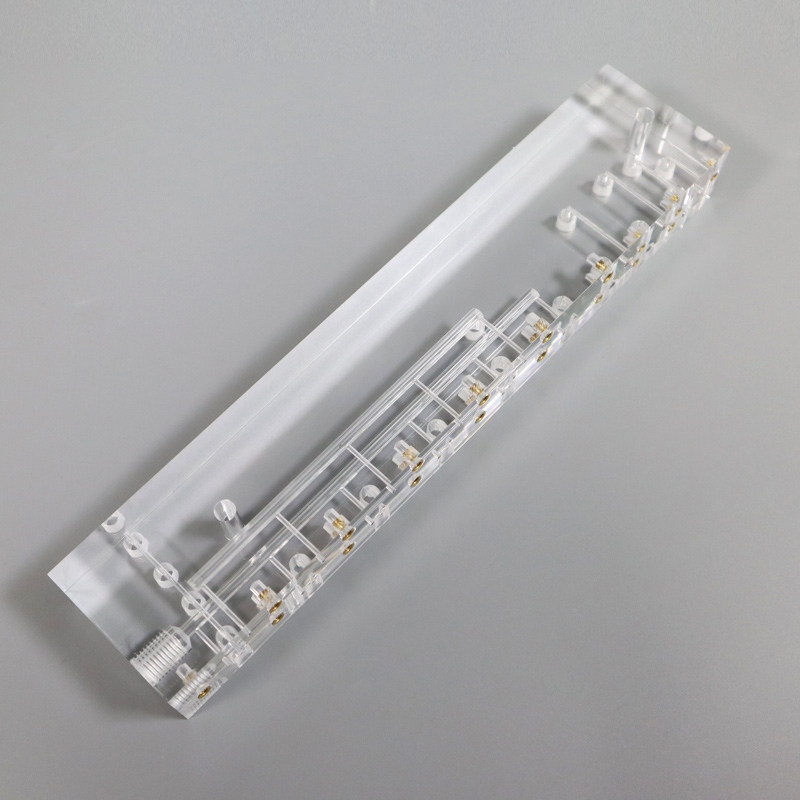
PMMA (Acrylic)

PMMA is a transparent thermoplastic offering excellent optical clarity and weather resistance at moderate cost. It is commonly used for display panels, lenses, covers, and lighting components. PMMA is stiff but brittle, requiring careful CNC machining to avoid cracking and surface damage.

CNC Best Practice

Use polished cutters and low feed rates to avoid chipping, microcracks, and stress-induced fracture.

9,000–11,000 psiTensile Strength
0.4–0.7 ft-lbs/inImpact Strength
185–210 °FHeat Deflection

PEI (Ultem)

PEI is a high-cost amorphous engineering plastic offering excellent strength, flame resistance, and dimensional stability. It is widely used in aerospace, medical, and electrical applications. PEI maintains performance at elevated temperatures and machines more predictably than many high-temperature polymers.

CNC Best Practice

Preheat stock slightly and maintain consistent cutting conditions to prevent internal stress and post-machining distortion.

14,000–16,000 psiTensile Strength
1.5–2.5 ft-lbs/inImpact Strength
340–360 °FHeat Deflection

PAI (Torlon)

PAI is an ultra-high-performance, very high-cost thermoplastic offering exceptional strength, stiffness, and wear resistance at elevated temperatures. It is used in aerospace, semiconductor, and oil and gas components. PAI outperforms PEEK mechanically but requires careful machining due to hardness and brittleness.

CNC Best Practice

Use rigid setups and conservative feeds; PAI’s hardness accelerates tool wear and causes chipping if parameters are aggressive.

18,000–22,000 psiTensile Strength
0.5–1.0 ft-lbs/inImpact Strength
500–520 °FHeat Deflection

HDPE

HDPE is a low-cost, tough thermoplastic known for chemical resistance, impact toughness, and flexibility. It is commonly used for tanks, wear strips, guides, and food-processing components. HDPE machines easily but lacks stiffness, requiring design compensation to maintain tolerances in CNC-machined parts.

CNC Best Practice

Avoid heavy cuts; use sharp tools and full support to prevent material deflection and dimensional inaccuracy.

3,000–4,000 psiTensile Strength
2.0–5.0 ft-lbs/inImpact Strength
160–180 °FHeat Deflection

Polycarbonate (PC)

Polycarbonate is a mid-cost engineering plastic offering outstanding impact resistance, transparency, and toughness. It is widely used for safety shields, machine guards, enclosures, and structural glazing. PC is notch-sensitive and heat-sensitive, demanding controlled CNC machining to preserve clarity and mechanical performance.

CNC Best Practice

Use sharp tools and generous radii; sharp corners promote cracking and reduce impact resistance during service.

8,500–9,500 psiTensile Strength
12.0–16.0 ft-lbs/inImpact Strength
270–300 °FHeat Deflection

PET (Polyester)

PET is a low-to-mid cost thermoplastic offering good strength, wear resistance, and dimensional stability. It is commonly used for electrical components, structural parts, and food-contact applications. PET machines cleanly and absorbs minimal moisture, making it suitable for precision CNC machining.

CNC Best Practice

Maintain sharp tooling and moderate speeds; dull cutters cause heat buildup and surface whitening during machining.

7,000–9,000 psiTensile Strength
1.0–2.0 ft-lbs/inImpact Strength
200–230 °FHeat Deflection

FR4 (Composite)

FR4 is a glass-fiber-reinforced epoxy composite offering high strength, stiffness, and electrical insulation. It is widely used for printed circuit boards, structural panels, and electrical components. FR4 is abrasive to tools, increasing machining cost and requiring specialized CNC strategies.

CNC Best Practice

Use diamond-coated or carbide tools; fiberglass rapidly wears standard cutters and degrades dimensional accuracy.

45,000–65,000 psiTensile Strength
1.0–2.0 ft-lbs/inImpact Strength
280–300 °FHeat Deflection

G-10 (Garolite)

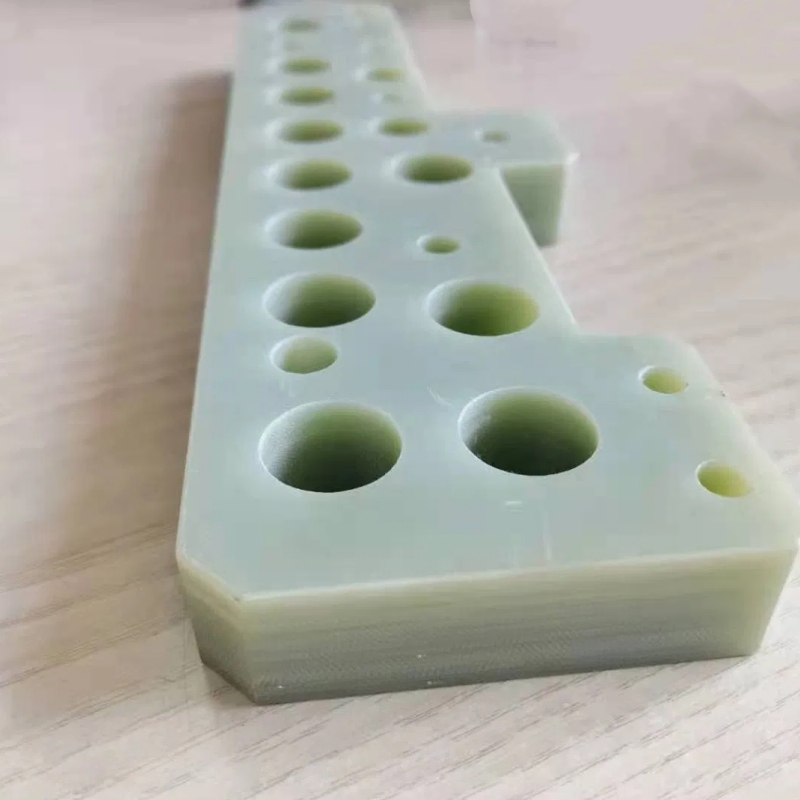
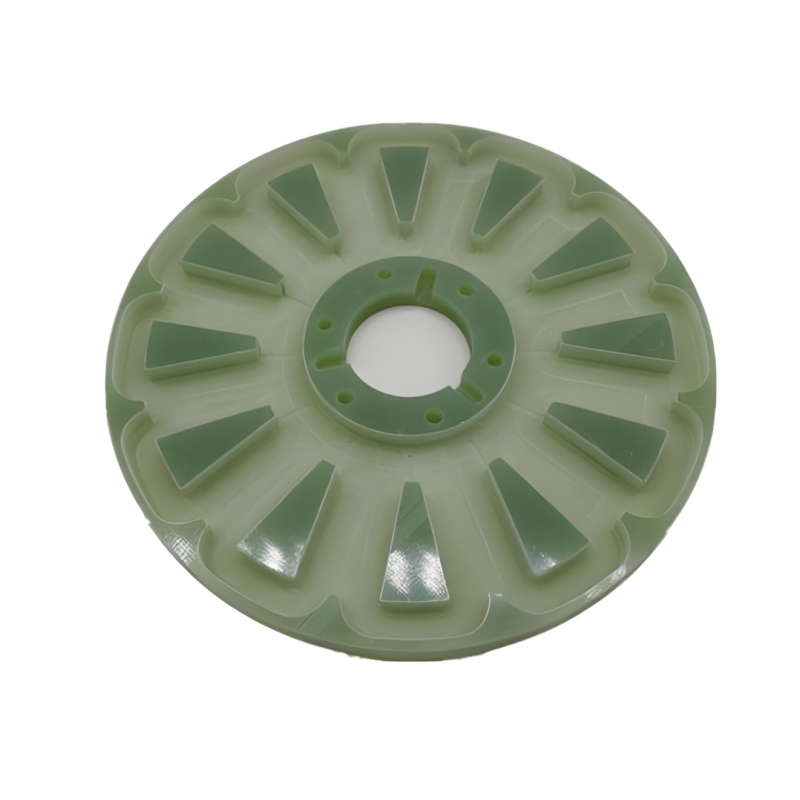
G-10 is a glass-cloth epoxy laminate offering high mechanical strength, dimensional stability, and chemical resistance. It is commonly used for structural supports, electrical insulation, and tooling fixtures. Like FR4, G-10 is abrasive and requires careful CNC machining to manage tool wear.

CNC Best Practice

Control dust extraction and tool wear closely; fiberglass particles damage machines and rapidly degrade cutting edges.

35,000–55,000 psiTensile Strength
1.0–2.0 ft-lbs/inImpact Strength
260–300 °FHeat Deflection

Polyethylene(PE)

Polyethylene is a very low-cost thermoplastic offering excellent chemical resistance, flexibility, and impact toughness. It is used for liners, guides, packaging equipment, and insulation components. Polyethylene machines easily but lacks stiffness, requiring generous tolerances and strong support during CNC machining.

CNC Best Practice

Use light clamping pressure and sharp tools; polyethylene deforms easily under cutting forces and fixturing stress.

2,000–3,500 psiTensile Strength
2.0–6.0 ft-lbs/inImpact Strength
140–160 °FHeat Deflection

UHMW

UHMW (Ultra-High Molecular Weight Polyethylene) is a very low-cost thermoplastic offering excellent chemical resistance, flexibility, and impact toughness. It is used for liners, guides, packaging equipment, and insulation components. Polyethylene machines easily but lacks stiffness, requiring generous tolerances and strong support during CNC machining.

CNC Best Practice

Use light clamping pressure and sharp tools; polyethylene deforms easily under cutting forces and fixturing stress.

2,000–3,500 psiTensile Strength
2.0–6.0 ft-lbs/inImpact Strength
140–160 °FHeat Deflection
Machining Handbook

Design Guidelines for Plastic CNC

Technical specifications for optimized manufacturing and dimensional stability.

Wall Thickness & Uniformity

Maintain consistent wall thickness to reduce internal stress, warping, and dimensional instability during and after the CNC process.

Min thickness 1.0 – 1.5 mm
Uniformity Avoid changes > 2×
Impact: Prevents vibration and heat-induced deformation in plastics like Nylon and POM.

Internal Corners & Fillets

Sharp internal corners create stress concentrations. Standardize on radii that match common tool sizes to improve structural integrity.

Fillet Radius ≥ 0.5 × Tool Dia.
Impact: Improves surface finish and significantly reduces machining cycle time.

Hole Design & Depth Ratio

Optimize hole depth-to-diameter ratios to ensure straightness. High ratios can lead to tool wander in softer plastic materials.

Standard Depth ≤ 4× Diameter
Impact: Excessively deep holes increase tool deflection, heat, and tolerance variation in plastic materials.

Realistic Tolerances

Define tolerances based on functional needs. Over-specifying in plastic increases cost due to its sensitive thermal expansion properties.

Standard Plastic ± 0.05 mm
Impact: Plastics expand, creep, and relax over time. Designing realistic tolerances improves yield and reduces inspection costs.

Thin Features & Ribs

Ensure thin features are supported. Unsupported ribs are prone to vibration chatter and structural failure during high-speed milling.

Min Rib Width ≥ 1.0 mm
Impact: Thin plastic features are prone to vibration and melting during machining, affecting accuracy and surface quality.

Threaded Features

Avoid fine threads as they strip easily in most plastics. For high-frequency assembly, consider using metal inserts.

Rec. Strategy Threaded Inserts
Impact: Plastic threads wear quickly and may strip under repeated assembly without proper design.

Part Orientation Strategy

Design for minimal setups. Accessible features reduce complexity and help maintain tighter volumetric precision across the whole part.

Max Setups 2 – 3 Cycles
Benefit High Precision
Impact: Minimizing rotations prevents cumulative errors and reduces manufacturing costs.
What Is Plastic CNC Machining

What Is Plastic CNC Machining?

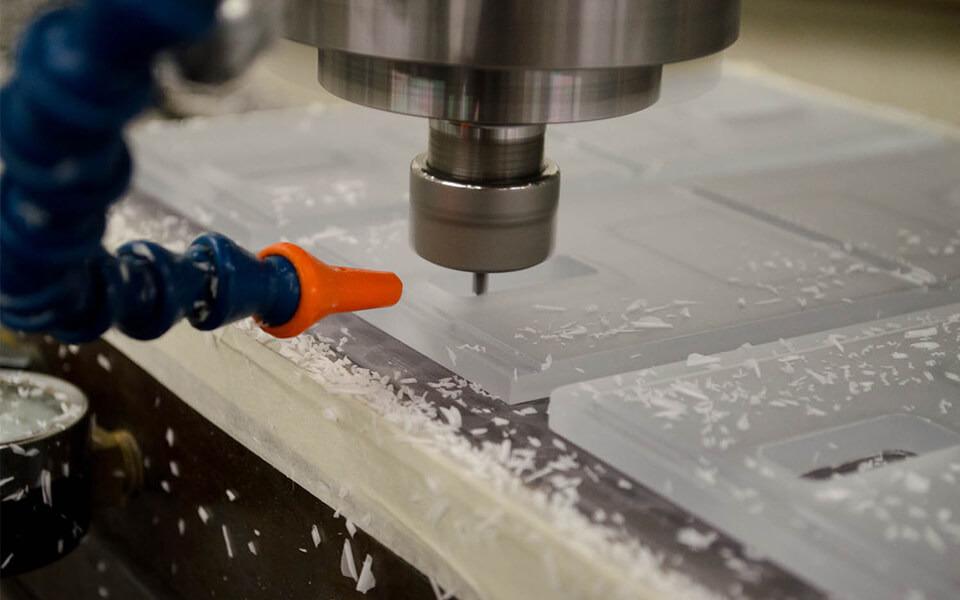
Plastic CNC machining is a subtractive manufacturing process that involves placing a solid block of plastic material against a mobile cutting tool to remove materials from it. A digital design file guides the path of cutting tools, ensuring the final product takes the desired shape.

CNC plastic machining is the current manufacturing trend in making plastic components and parts. This is due to the ability of this process to create parts with uniform, high precision, and tight tolerances.

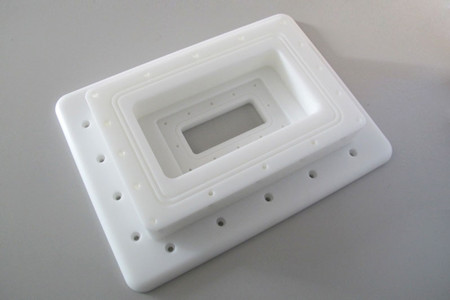
Plastic Machining Process

Plastic CNC Turning

Plastic CNC Turning

Plastic turning is a manufacturing process that spins the workpiece to allow a stationary cutting tool to precisely remove excess material and create shapes as per the desired design.

Plastic CNC Milling

Plastic CNC Milling

Plastic CNC milling is a machining process where the workpiece is mounted onto a table, and the cutting tool is held in place by a rotating spindle to remove plastic material from multiple axes.

When to Use CNC Machining instead of 3D Printing?

The type of plastic fabrication process used for machining depends on several factors. So, when do you use CNC machining as opposed to 3D printing?

When Making Large Plastic Parts

3D printing large plastic parts are not feasible because it takes a long time, sometimes hours. However, fabricating large parts using a CNC mill only takes a few minutes.

Type of Material

If you design a component in a material such as PVC, POM, PEI, or PEEK, 3D printing is not an option. Instead, these materials can be sourced in blocks and bars for CNC machining.

High Accuracy

CNC machining is the better choice for manufacturing precise parts with intricate details because it can achieve an extremely tight tolerance down to ±0.005mm, but 3D printing only can achieve ±0.1~0.5mm.

Part Intricacy

When parts require tiny details that cannot be made with 3D printing, CNC machining is the best choice. Small details, such as intricate optical patterns, can have a radius as small as R 0.05 mm, and this level of detail is difficult to achieve with 3D printing.

Applications Of CNC Machined Plastic Parts

Medical Devices

Medical Devices

CNC machining is a popular method for fabricating high-precision plastic parts used in the medical industry, such as medicine dispenser components and surgical tools.

Food Industry

Food and Beverage Industry

CNC-machined plastics are ideal for producing parts used in the food and beverage industry, such as valves, nozzles, and seals for packaging machines.

Semiconductor

Semiconductor Parts

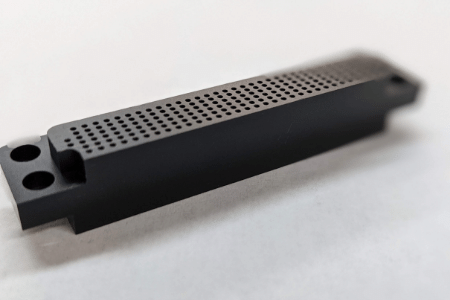
The semiconductor industry relies on plastic CNC machining to create precise parts from high-performance plastics requiring extremely tight tolerances.

Automotive

Automotive and Aerospace

Plastic CNC machining manufactures high-performance components that meet the strict regulations and requirements of these demanding industries.

Plastic CNC Machining Services

Are you looking for complete solutions to producing plastic parts with tight tolerances and surface finish?

AT Machining offers a state-of-the-art CNC Machining service, guaranteed quality, and fast lead time. With over 50 plastic milling and plastic turning machines, we can provide consistent, high-quality machined parts and competitive price. 

So, with us, you can make easy or complex orders for prototypes, low to large volume CNC production runs in a wide variety of plastic.

Frequently Asked Questions

Plastic CNC machining is a process of using computer numerical control (CNC) machines to shape and cut the plastic material into the desired shape. This technique is highly accurate, allowing for the production of complex designs with intricate detail or complex geometries.

The cost of plastic CNC machining depends on many factors, including the material used and the expertise of the machining services provider or CNC milling machine shop. However, the cost could be as low as $10 per hour.

The best plastics for machining include; Acetal, PEEK, and PVC. The reason is that they have a high degree of machinability and offer good dimensional stability.

Also, these different plastics are readily available at a low cost and have the potential to resist chipping and melting. They are also impact-resistant and have high impact strength.

Get your parts into production today!