跳到内容
跳到内容 

Aluminum is one of the most used metals across industries. It shows up in aerospace components, automotive parts, consumer electronics, and architectural structures. When those aluminum parts need to last longer and look better, anodizing becomes the go-to surface treatment. The process builds a protective oxide layer directly onto the aluminum, giving it serious corrosion resistance and a clean, finished appearance.
But this is where most people get stuck. The cost of anodized aluminum varies widely depending on a handful of factors, and unless you know what those are, it is hard to tell whether you are getting a fair price. The materials, process type, and finishing requirements all play a part.
This guide breaks down every variable that affects anodized aluminum cost and gives you practical ways to keep your budget in check without sacrificing quality.
What Is Anodized Aluminum?
Before jumping into pricing, it is worth taking a step back to understand what anodizing actually does to aluminum. A lot of people assume it works the same way as paint or a coating. It does not. When you anodize an aluminum part, you are not adding a layer on top of the metal. You are growing one into it.


The aluminum anodizing process is electrochemical. That is, you submerge the aluminum part in an acid bath (sulfuric acid or chromic acid, depending on the type) and pass an electrical current through it. The aluminum becomes the anode in this setup, which is where the word “anodizing” comes from. Oxygen ions from the acid bond with the aluminum surface and form aluminum oxide on the part itself.
That protective oxide layer ends up harder than the raw aluminum underneath it. So anodized parts shrug off scratches and corrosion far better than untreated aluminum ever could. This is why you see anodized aluminum showing up across such a wide range of uses, from CNC machining components and small electronic mounts to decorative architectural panels.
The porous structure of the anodized layer also makes it great for absorbing dyes, which opens the door to color finishing in black, clear, blue, gold, red, and more. When you combine that kind of durability with the aesthetic appeal of a clean, colored finish, you start to see why anodized aluminum has become such a go-to material across industries.
Aluminum Anodizing Types and How They Affect Cost
The anodizing type you choose has a direct impact on the final anodized aluminum cost. There are three standard types, each with its own process, materials, and price point.
Type I: Chromic Acid Anodizing
Type I uses chromic acid as the electrolyte. It produces the thinnest oxide layer of the three, usually between 0.5 and 2.5 microns. Because of this thin coating, Type I is commonly used in aerospace applications where precise dimensional control matters. It offers solid corrosion resistance without adding much to the overall dimensions of the aluminum part.
From a cost standpoint, Type I is generally the most economical option. The materials are less expensive, and the process requires lower energy consumption. However, chromic acid itself is a toxic substance, which means waste disposal costs and environmental regulations push the overall expenses higher than the base material costs might suggest.
As of 2026, specialized chemicals and environmental regulations add an estimated 15 to 20 percent to the operational costs of anodizing.
Type II: Sulfuric Acid Anodizing

Type II is the most commonly used method in aluminum anodizing. It replaces chromic acid with sulfuric acid, and the result is a thicker oxide layer, typically between 2.5 and 25 microns. The deeper pores created by this process make Type II an excellent choice for color absorption. This is why it is the standard for decorative and functional aluminum finishes alike. After the anodized layer is formed, a sealing step closes the pores and locks in the color for lasting durability.
Anodized aluminum cost for Type II typically ranges from $65 to $125, depending on the color and surface requirements. This pricing applies when you are working with colors your anodizer already has available, such as clear or black. Type II anodizing strikes a balance between cost, durability, and versatility. This is why manufacturers opt for it as their default choice across so many industries.
Type III: Hard Anodizing

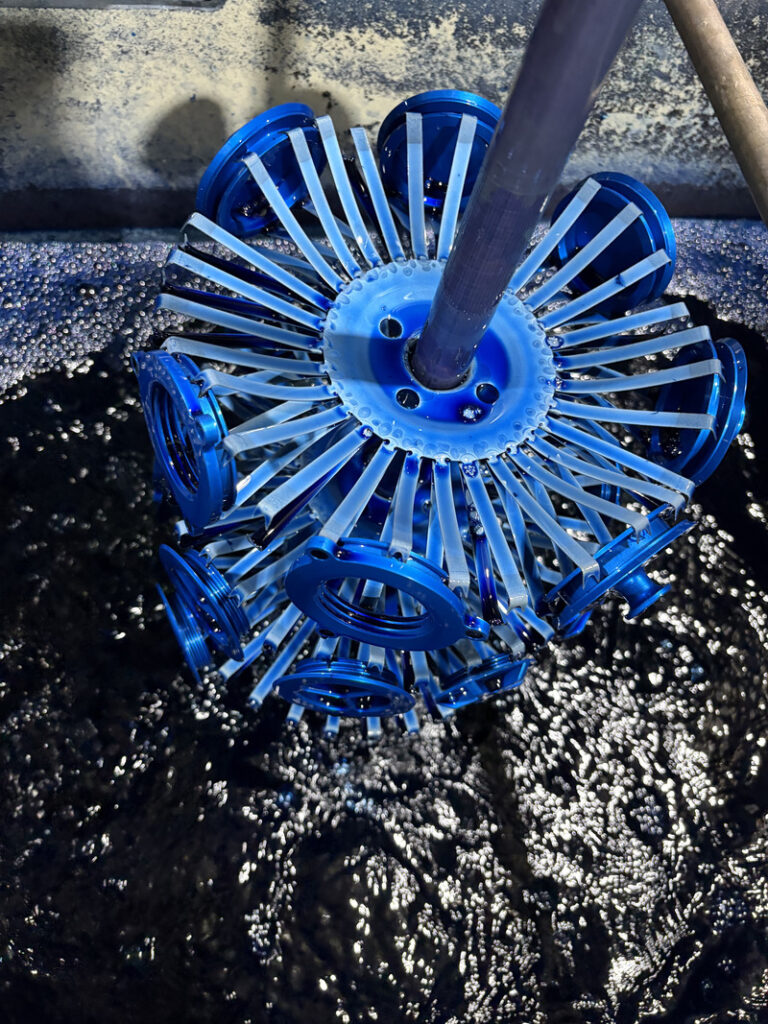
Type III, also called hard anodizing, is the heaviest-duty option. It uses sulfuric acid at lower temperatures (usually between 0 and 5 degrees Celsius) and higher voltages than Type II. The resulting anodized layer is extremely thick, ranging from 25 to 150 microns.
This dense coating delivers superior wear resistance and excellent corrosion resistance. Thus, it is the preferred choice for military, automotive, and aerospace components that face extreme conditions.
Hard anodizing comes at a higher cost because of longer processing times, higher energy consumption, and more complex process controls. When you need anodized aluminum that can handle punishing conditions, Type III is the way to go. The metal underneath benefits enormously from this level of protection.
Key Factors Influencing Anodized Aluminum Cost
Beyond the anodizing type itself, several other variables shape the final price of an anodized part. Understanding these factors gives you the ability to plan smarter and avoid surprises.
Size and Quantity of Components
The size of your aluminum part directly affects how much surface area needs to be treated. Larger components require more materials, more processing time, and greater precision to achieve a uniform anodized coating across the entire surface.
Quantity plays an equally significant role. High-volume orders reduce the cost per unit because the fixed setup costs (cleaning, racking, chemical preparation) are spread across more parts. The quantity you order also determines which pricing tier you fall into.
For example, small electronic mounts can cost as little as $2 per unit when ordered in quantities of 200 or more. A single-unit run of a similar part might cost upwards of $125. Minimum lot charges for anodizing services typically range from $50 to $150, regardless of how many parts are in the batch.


Coating Thickness
The thickness of the oxide layer on the surface of an aluminum part is a critical factor in determining the anodizing cost and quality. Selecting a basic thickness is the most cost-effective choice for the majority of projects. For Type II anodizing, this usually means a coating between 10 and 25 microns. Going thicker increases cost because the process takes longer and consumes more energy.
Going for tighter tolerances on the aluminum coating thickness also raises the price. A tolerance of plus or minus 0.001 inch is significantly less expensive than plus or minus 0.0001 inch, because achieving that level of precise control demands experience and specialized equipment.
Stricter, non-standard thickness tolerances increase costs compared to standard coatings. If your application can work within standard ranges, stick with them.
Racking
Racking is a crucial process in aluminum anodizing. It is the method used to hold parts during the treatment, and it ensures a secure electrical connection between the part and the power supply throughout every stage. Poor racking leads to uneven coating, which ruins the quality of the final anodized part.
Common racking methods include clamp, weld, and bolt racking. When no specific method is required, manufacturers opt for the most cost-effective approach to maximize yield. However, specific racking needs can limit how many parts are processed at once, which drives the cost per part up. The material of the rack also matters. Titanium racks are durable but expensive, while aluminum racks are cheaper but wear out faster.
Color Options
Standard colors like black and clear are part of most anodizers’ regular workflow, so they cost less. Custom or specialized colors require additional dyes, sometimes extra R&D, and adjustments to process parameters like dye absorption time and temperature. Adding colors or dyeing parts typically costs more than clear anodizing.
Choosing standardized colors is typically more cost-effective than custom anodized aluminum colors. If your project allows for a standard color, that is the smarter financial decision. Standard colors are suitable for the majority of commercial and industrial applications.
Additional Processes
Any extra services beyond the base anodizing treatment will increase the overall cost. Pre-processing steps like bead blasting or polishing are sometimes necessary to prepare the surface of aluminum parts before anodizing. Post-processing services, such as masking holes or plugging specific areas, add labor and time.
Masking labor, in particular, significantly increases the price of anodized parts because it requires careful, hands-on work. Costs for anodized aluminum can increase by 10 to 30 percent or more compared to raw aluminum once you factor in the full scope of processing and finishing.
How to Keep Your Anodized Aluminum Cost Low
Knowing what drives the cost is only half the battle. Here is how to use that knowledge to your advantage.

Choose the Right Aluminum Alloy
Different types of aluminum alloys respond differently to the anodizing process, and a poor alloy choice can lead to inconsistent results or rejected parts. The materials you select at this stage have a ripple effect on every step that follows. Alloys like 6061 are popular for their quality, workability, and strong performance during anodizing. Alloys containing high amounts of copper or silicon tend to produce less favorable results and may require additional surface pre-treatment, which adds to the cost.
Increase Order Volume to Lower Per-Unit Costs
The cost savings from batch processing are real and significant. If your project requires multiple rounds of production, consolidating orders into a single larger batch is one of the fastest ways to bring the per-unit cost down. Anodized aluminum parts are suitable for use in aerospace, automotive, consumer electronics, and industrial equipment alike, so the demand for bulk anodizing is high across the board.
Find a Supplier With Transparent Pricing
Work with a supplier who offers transparent pricing from the start. Ask about minimum charges, rush orders, and any hidden fees related to setup or waste disposal before you commit. Typical lead times for standard anodizing runs are 5 to 10 business days, but rush orders carry a premium. If your timeline allows, standard processing is always the cheaper path.
Outsourcing Your Anodizing Project: What to Look For
If you are outsourcing your aluminum anodizing, choosing the right partner matters as much as choosing the right process. Here are the things to evaluate before you sign on.
Confirm their capabilities match your project requirements. A supplier that specializes in Type II anodizing may not be the best fit if your application demands Type III hard anodizing. Ask about their coating thickness options, the color options they carry in-house, and their experience with the specific metal alloys you are using.

Discuss pricing openly. A reliable anodizing partner will be transparent about costs from the beginning. Watch for hidden fees tied to racking, masking, or minimum order quantities. Negotiate terms that align with your production volume and budget, and do not hesitate to ask for a detailed cost breakdown before finalizing the order.
Check their quality control process. Proper surface treatment before anodizing is essential for achieving predictable results. The anodizing process involves cleaning, etching, anodizing, sealing, and rinsing between steps. A good supplier inspects parts for oils, debris, and contaminants before the process begins, and they monitor tank parameters like temperature and time with care. These steps are what separate a consistent, high-quality anodized finish from one that falls short. The durability of the final anodized part depends on every one of these details being handled correctly.
Finally, think about the bigger picture. If your project also involves CNC machining of the aluminum parts before anodizing, working with a supplier that handles both stages can simplify logistics and reduce cost. AT Machining, for example, offers full-service capabilities that cover everything from machining to anodizing finishing services, so your parts move through the process without unnecessary delays.
Final Thoughts
The protective oxide layer on anodized aluminum extends the life of your parts, improves their appearance, and gives them the corrosion resistance that raw aluminum simply cannot match on its own. Aluminum anodizing is a process worth understanding thoroughly before committing budget to it. Understanding key variables and planning accordingly will help you keep your anodized aluminum cost under control without cutting corners on quality. If your next project involves aluminum components that need to perform well and look good, anodizing is worth the investment. The key is working with the right people and making informed decisions from the start.Contact us today to receive a quote for your anodized aluminum project.