Skip to content
Overview of CNC Machining for Aerospace

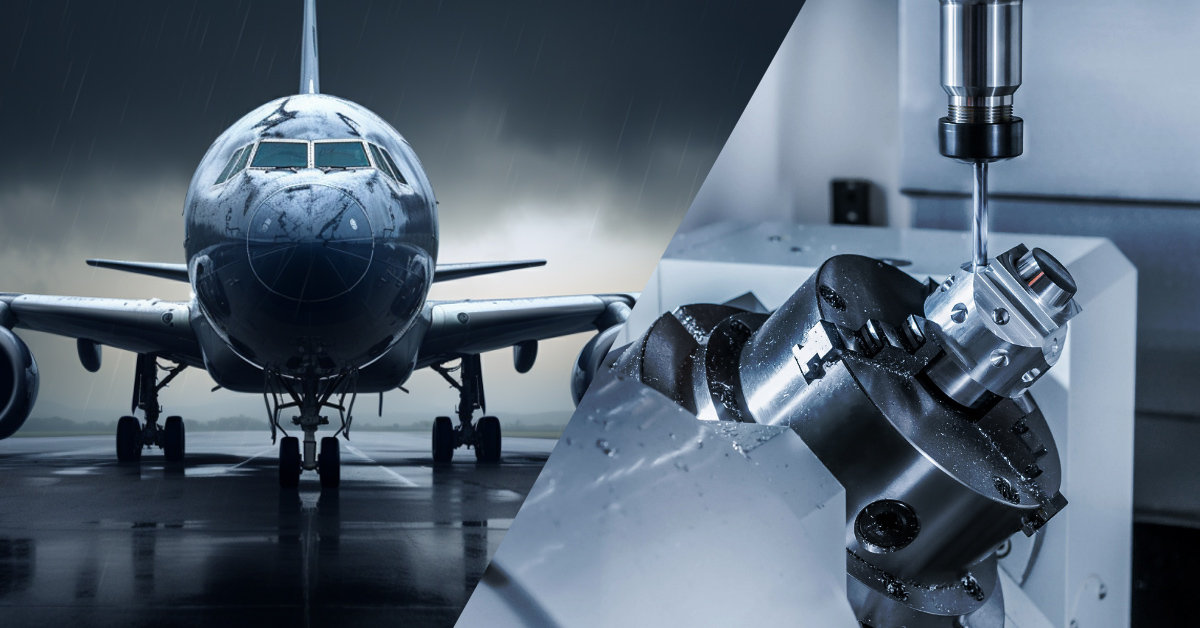
CNC machining for aerospace refers to the use of specialized tooling and machining techniques to introduce high-end digital technology with precision engineering to manufacture aerospace components. CNC machining technology plays a significant role in the rapid and precise production of aircraft and spacecraft components, including landing gear, turbine and compressor blades, bulkheads, critical engine parts, structural supports, and electrical components.
The advanced automation of CNC (computer numerical control) machining for aerospace allows rapid prototyping, low-volume manufacturing, and high-volume manufacturing with minimal human error and reduced lead times. Moreover, manufacturers consistently integrate CNC machining into connected manufacturing ecosystems to ensure seamless digital communications between CNC machines and production planning systems to boost production efficiency and improve quality management in aerospace parts manufacturing.
Why Is Precision Important in Aerospace CNC Machining?
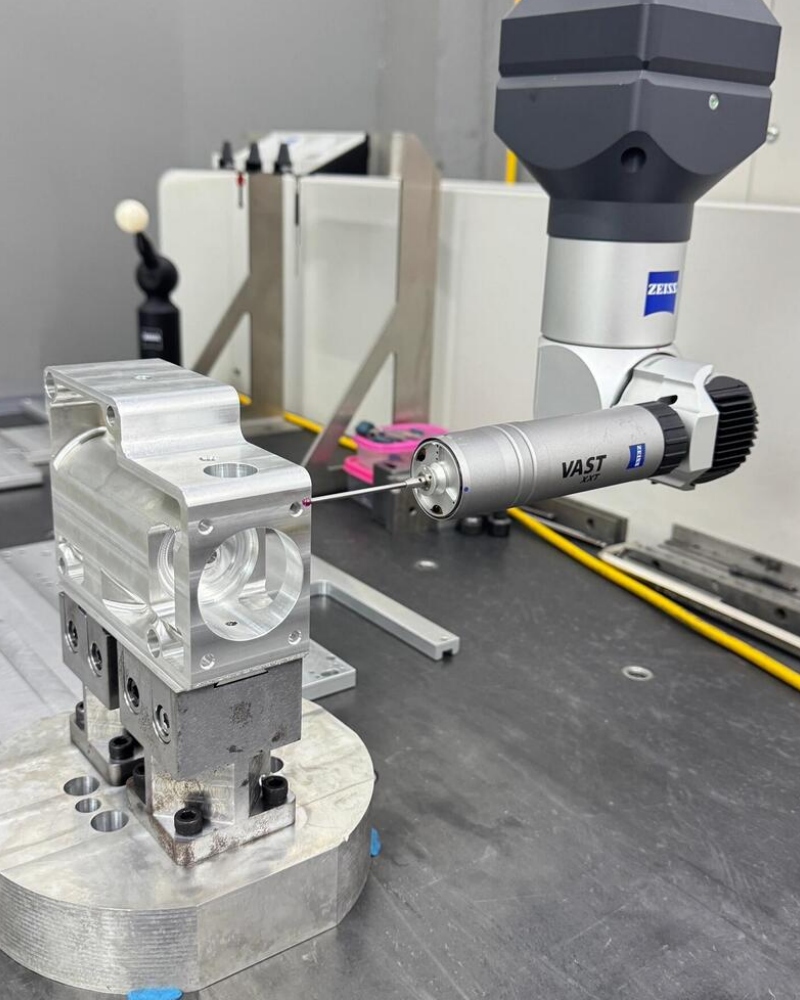

Achieving tight tolerances is a pivotal aspect of machining aerospace components. Human error in aircraft production and assembly can have a costly and catastrophic impact. CNC machining for aerospace has a minimal margin for error since engineers must meet stringent shape, dimensional, and positional accuracy standards, whether it is for propulsion systems, satellite components, electrical connectors, airframe structure, or structural components.
Poor production processes and the slightest deviation from design specifications can compromise the reliability, safety, and performance of aerospace vehicles, resulting in system failure. CNC machining’s ability to provide unparalleled precision helps manufacture complex aerospace parts and prototypes without any flaws or inconsistencies. The vast capabilities of precision CNC machining remain instrumental in providing robust solutions to meet the highest aerospace industry standards, from the tiniest interior detail to the exterior of the aircraft.
Moreover, modern CNC machines can provide up to 0.002 mm in fabricating aerospace-grade plastics and metals. State-of-the-art post-processing and inspection processes help ensure the end-use structural components and prototypes for aerospace companies are up to standards. Also, it is important that these machine components function reliably since they operate under such extreme conditions. However, precision in CNC machining for aerospace helps ensure compliance with international and national standards.

With 30 years of CNC experience, Sam is dedicated to solving complex design and machining challenges, ensuring precision and efficiency for every customer project.
[email protected]Best Practice for CNC Machining Aerospace
Ensure rigid fixturing and minimal overhang; vibration and deflection degrade accuracy. Aerospace parts with aspect ratios show tolerance shifts exceeding 0.05 mm when fixturing is insufficient.
Contact Our CNC Machining ExpertCommon Materials for Aerospace Manufacturing

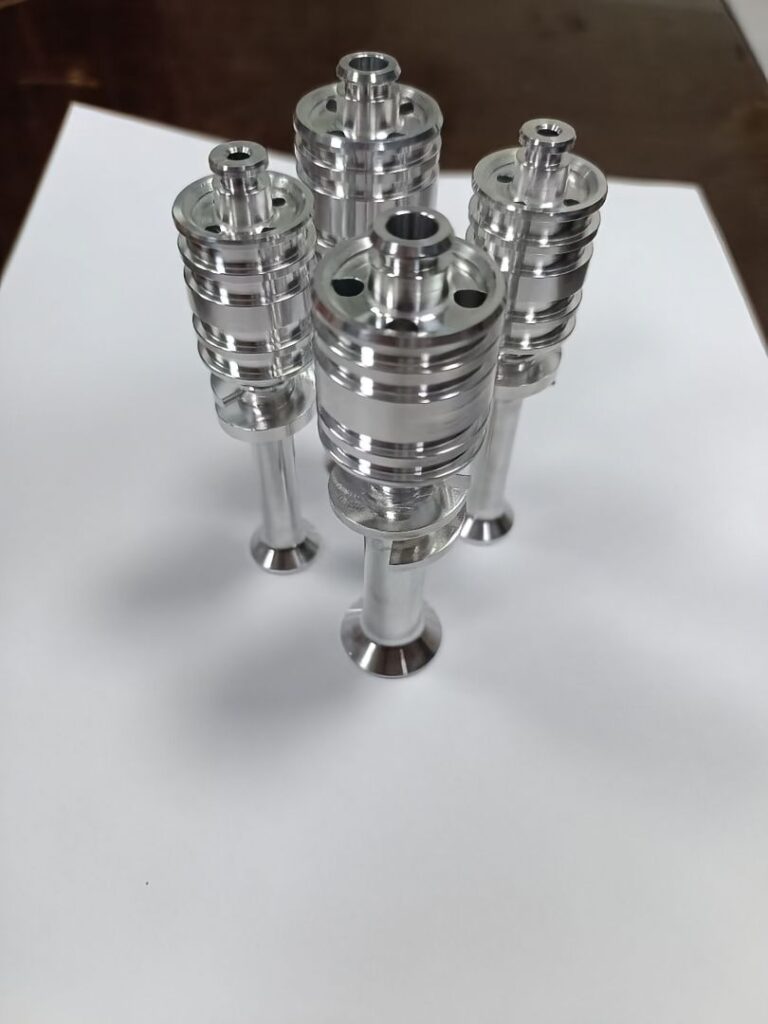
Product engineers often choose high-performance materials for aerospace applications due to their unique properties, which allow them to withstand extreme conditions and demanding environments. Choosing an incompatible material when CNC machining aerospace parts can result in component failure and costly consequences.
Different aerospace materials used in CNC machining include:
Lightweight Metals
Although there are several metals suitable for CNC machining, most are not ideal for aerospace applications since they are incredibly heavy. Aerospace companies use strong and lightweight metal alloys like titanium, aluminium, and copper to build fuel-efficient aircraft.
Titanium and Super Alloys
Titanium alloys are half as heavy as steel and about 30% stronger. The excellent strength-to-weight ratio and corrosion resistance even at extreme temperatures make titanium alloys the right fit for functional aerospace engine components and external parts. Manufacturers often use titanium for airframes and engine parts like landing gear, casings, and structural elements because it has a coefficient of thermal expansion similar to composite materials.
Super alloys, otherwise known as high-performance alloys, are advanced materials developed for highly corrosive, high-pressure, and high-temperature environments. These metal alloys offer better corrosion, oxidation, and creep resistance than traditional alloys. Super alloys typically possess exceptional surface stability, exceptional mechanical strength, resistance to oxidation or corrosion, and resistance to thermal creep deformation.
The underlying alloying element in high-performance alloys is usually iron, cobalt, or nickel combined with varying amounts of titanium, chromium, aluminum, molybdenum, and other elements. Super alloys are utilized in aerospace applications like turbine blades in power plants and jet engines, where ordinary metals would fail under harsh operational conditions.

Tracy is a sales manager with 18 years of experience in CNC machining, specializing in precision components and client solutions.
[email protected]Best Practice for CNC Machining Aerospace
Plan rigid, smooth toolpaths reducing abrupt direction changes. Titanium’s low thermal conductivity demands stable cutting; improper paths increase heat, tool wear up to 300%—reducing tool life and part quality.
Contact Our CNC Machining ExpertAluminum and Aluminum Alloys
Aluminum is a cost-effective, lightweight, and corrosion and fatigue-resistant machining material used in aerospace manufacturing. The overall weight of several aluminium alloys enhances fuel efficiency in aircraft since aluminium alloys are lighter than titanium. Aluminium alloys exhibit good thermal conductivity, allowing effective heat dissipation. Aluminum 2024, 6061, and 7075 are typical aluminum alloys specifically tailored to aerospace applications.
High Performance Plastics
Manufacturers in the aerospace sector embrace engineering plastics like Ultem, Nylon 6, polycarbonate, and PEEK in the many functional structures of an aircraft. These high-performance polymers have low density and excellent mechanical properties like chemical resistance, impact and vibration resistance, and sealing capabilities, making them a valuable alternative to metals.
These polymer-based materials are ideal for aerospace applications where safety and functionality are non-negotiable due to their superior electrical insulation. Various aerospace components made from high-performance engineering plastics can be found in the critical operational parts like tubing, insulation, and valve components, as well as cabin interior components like armrests and tray tables. Interior wall panels, wiring conduits, ventilation ducts, bearings, and aircraft doors are typical aerospace uses of aerospace-grade plastics.
Plastics used in aerospace CNC machining must meet strict regulatory requirements for toxicity, flame, and smoke for safe aerospace environments. Aerospace components manufacturers choose each plastic based on its ability to meet certain performance needs in military and commercial aerospace applications.
Composite Materials
Composites are lightweight and high-strength materials widely utilized in machining different components of an aircraft. Aramid fibers, carbon fiber, and fiberglass are typical composite materials used in creating lightweight and durable aircraft components, significantly improving fuel efficiency. As of today, the Boeing Dreamliner comprises approximately 50% composites, while the Airbus A350 XWB has wings and fuselage built with carbon fiber composites.
CNC Machining Processes for Aerospace Precision Machining
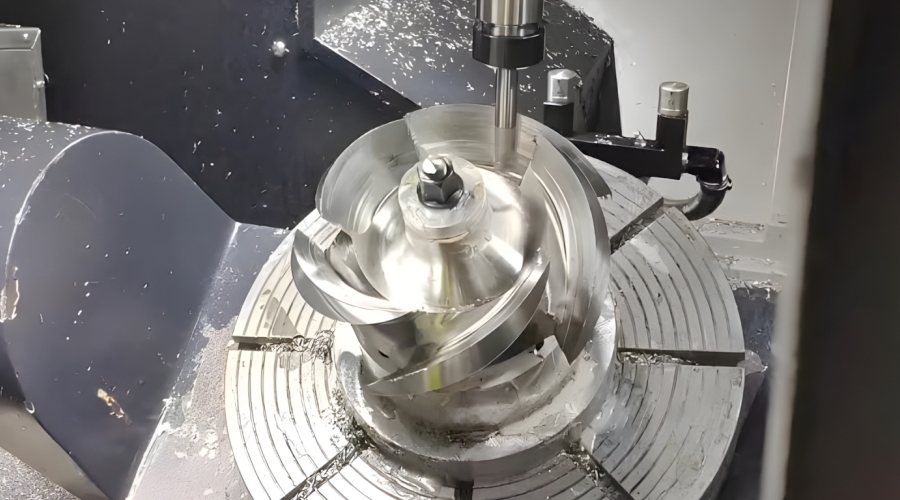
CNC machining for aerospace spans several technologies that provide the precision and efficiency to match the dynamic demands of the industry. CNC machining operations used in aerospace parts manufacturing include:
Additive Manufacturing Integration
Product engineers in the aerospace sector leverage the capabilities of several additive manufacturing processes to create critical components with complex geometries that would be difficult or unattainable with traditional methods. They integrate additive manufacturing into CNC aerospace machining for post-processing operations since there are hybrid machines capable of switching between subtracting material with CNC machining and adding material with 3D printing. This type of hybrid manufacturing integrates CNC machining’s precision of quality with the design freedom of additive manufacturing (3D printing).
3-Axis CNC Machining
3-axis machining is a standard process for creating CNC parts with fewer design complexities and simpler geometries. 3-axis CNC machining is used especially by small businesses since it allows them to tap into CNC milling because the equipment may cost less than specialized machines.
Machinists often use this machining process for larger parts of aircraft, like motor housings, landing gears, and fuel pumps. The 3-axis CNC mill is famous for its ability to remove a large volume of material from a blank.
5-Axis CNC Machining
5-axis machining is often employed in cases when 3-axis machining fails to produce the intricate geometries of aerospace parts. CNC aerospace machined parts often come in variations and have complex designs, which only this form of multi-axis machining can produce.
Hence, fabricating these parts with a 5-axis CNC milling machine might be the best option since it uses highly accurate computer-controlled machines with tools that move along 5 axes simultaneously. Since the tool can engage the workpiece from almost any angle, 5-axis CNC machining provides better surface finishes, supports complex holes and undercuts, and more efficient material removal, and reduced lead times.

Precision CNC Turning
This is a key manufacturing method for fabricating high-precision round and cylindrical parts used in the aerospace industry. Precision CNC turning involves using a CNC lathe machine to rotate the stock and feed it to a stationary cutting tool to remove material and add preferred details or features.
Typical applications of CNC turning in the aerospace industry include shafts and threaded components, pins, and bushings used in mechanical systems. Additionally, aerospace parts manufacturers readily create identical parts in high volumes due to the automation of the CNC equipment.
CNC Grinding
CNC grinding plays an integral role in ensuring the high-quality surface finishes of aerospace parts like bearings, shafts, and others to ensure smooth operation. This process requires specialized tooling for abrasive machining to improve the surface quality of these CNC machining aerospace parts without sacrificing critical part tolerances. CNC grinding machines offer greater part-to-part consistency due to their high level of automation.
Applications of Aerospace CNC Machining


Aerospace manufacturing produces a myriad of parts crucial in aerospace R&D, enabling aerospace companies to iterate new part designs, test them, and modify them if necessary. Here are some of the
Aerospace CNC Machining Use Aviation
Dimensional accuracy is an integral part of CNC machining for the aerospace industry, whether it is passenger airlines, cargo planes, or fighter jets. These accuracy requirements apply to every aspect of an aircraft’s manufacturing. CNC machining leaves nothing out from the external shell to the innermost layer of an aircraft.
For instance, an airplane’s engine must adequately process and utilize fuel to keep the airplane in the air for the duration of the flight. CNC machining contributes to the running of the engine by making some of the seemingly insignificant components vital to the operation.
Aerospace CNC machining is important in creating high-precision components used in the cockpit of the aircraft. Several small, connected parts from a navigational system help transport the plane from one location to another. CNC machining helps fine-tune and tweak critical aerospace parts like the plane wings to ensure a safe and efficient flight.
Aerospace CNC Machining Use in Space Travel
NASA and SpaceX are at the forefront of space travel. These aerospace companies design and manufacture highly sophisticated rockets and spacecraft for various missions. However, CNC machining for aerospace provides the flexibility and precision to fabricate the most minute components, including the rocket’s body design.
It is important to create spacecraft to withstand life in space. Precision manufacturing is paramount to aerospace CNC machining, catering to manufacturing demands and future technological advancements. Besides, these aerospace components not only have to function properly but also need to ensure the optimal performance and operational safety of spacecrafts and the crew on board.
Role of CNC Machining for Aerospace in Prototyping and Production
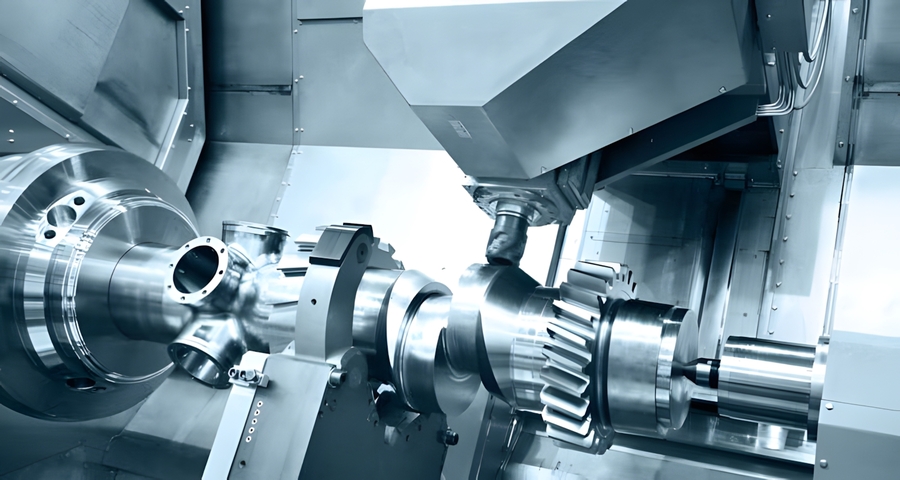
CNC machining specializes in the quick iteration of prototypes for aerospace companies. Turnaround times often vary from a few hours to a few days, depending on the complexity of the part design. Aerospace designers must test parts for form, fit, and function during prototyping. Aerospace CNC machining supports the creation of highly accurate and precise parts, ensuring the prototype matches the final product as closely as possible. Also, the ability of CNC machines to cut a wide range of materials is a key benefit in aerospace prototyping and production.
For instance, an aerospace designer can employ the same material for prototyping and production when using aluminum 6061. However, the case may differ with 3D printing since additive manufacturing methods work with materials with different properties than those used in subtractive manufacturing techniques, such as CNC machining.
Aerospace CNC machining supports the production of each part with consistent quality during production. Besides, machinists use 5-axis machining to achieve tight tolerances and complex geometries that may be unachievable with other manufacturing techniques.
Quality Control in CNC Machining Aerospace Parts
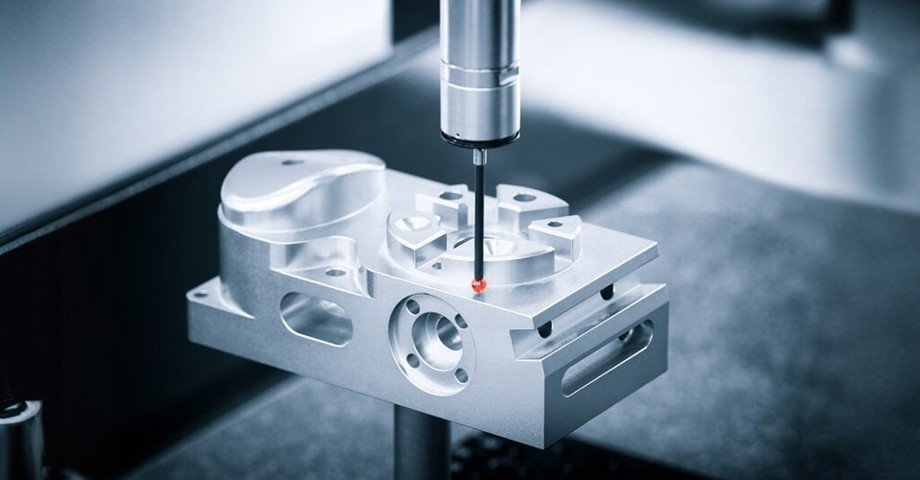
Product teams often design CNC-machined aerospace parts with the final inspection in mind so as to achieve the best machining outcomes. It might be difficult to measure tolerance in a part when it is difficult to machine the part or add a feature. Hence, product designers and engineers often utilize inspection methods such as laser scanning and coordinate measuring machines (CMMs) and non-destructive testing (NDT) to control the quality of machined aerospace parts.
Repeatability is also an integral part of CNC machining quality control. Your project may require an AS9001-certified aerospace parts supplier since the global aerospace sector requires reliability and consistency across production runs. AS9001 is unlike ISO 9001 because it is specific to aerospace and more comprehensive since it comprises all the quality management system requirements of ISO 9001, including additional clauses pertaining to aerospace part production quality.
Future Trends in CNC Machining for the Aerospace Industry
Machine learning (ML), Artificial intelligence (AI), and advanced automation drive innovation and efficiency throughout the industry at a rapid pace, shaping the future of aerospace parts manufacturing. Aerospace companies can achieve greater production efficiency, improve quality control, and minimize waste through hybrid manufacturing and the adoption of Industry 4.0 technologies like IoT devices. Integrating additive manufacturing technologies with traditional CNC machining allows manufacturers to achieve complex parts with geometries that were once too costly or impossible to create, improving the quality and consistency of aerospace parts.
Besides, the entire aerospace industry is becoming greener because product teams continue to develop aircraft that use more sustainable energy sources like algae biofuel or consume less fuel. Aerospace manufacturers transform aviation through electric vertical takeoff and landing (EVTOL) aircraft while substituting liquid fuels for battery power.
Conclusion
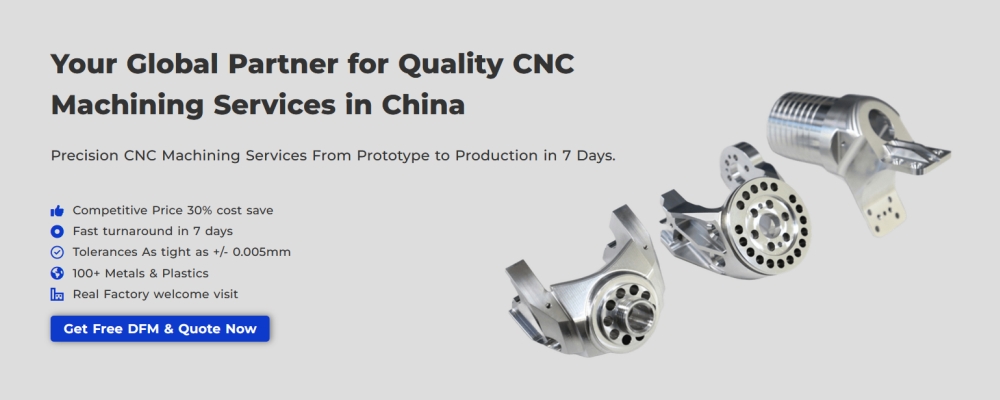
CNC machining plays a significant role in aerospace manufacturing since it offers robust solutions to meet the high-quality requirements and highest industry standards. The high-level precision that Aerospace CNC machining offers allows aerospace manufacturers to create machined components with the required tight tolerances and fine details to function perfectly in demanding conditions.AT Machining is the right fit for you when you need an expert in aerospace precision manufacturing. We are AS9100 certified and offer unparalleled aerospace CNC machining services. Our engineering experts have the experience and expertise to deliver consistent, complex parts that meet the safety controls, quality, and production standards. Get an instant quote for your part design; upload a CAD file now!