Find Assembly Problems Before Release
Install a prototype and check clearances, hand position, mating features, and appearance on the actual motorcycle.
 跳到内容

Send your CAD model, drawing, and quantity. You will get practical feedback on features that affect fit, machining cost, finishing, and inspection before you approve production. We machine OEM, aftermarket, replacement, custom-build, and electric motorcycle parts.
You can upload STEP, STP, IGES, X_T, STL, DWG, DXF, PDF, or ZIP files.
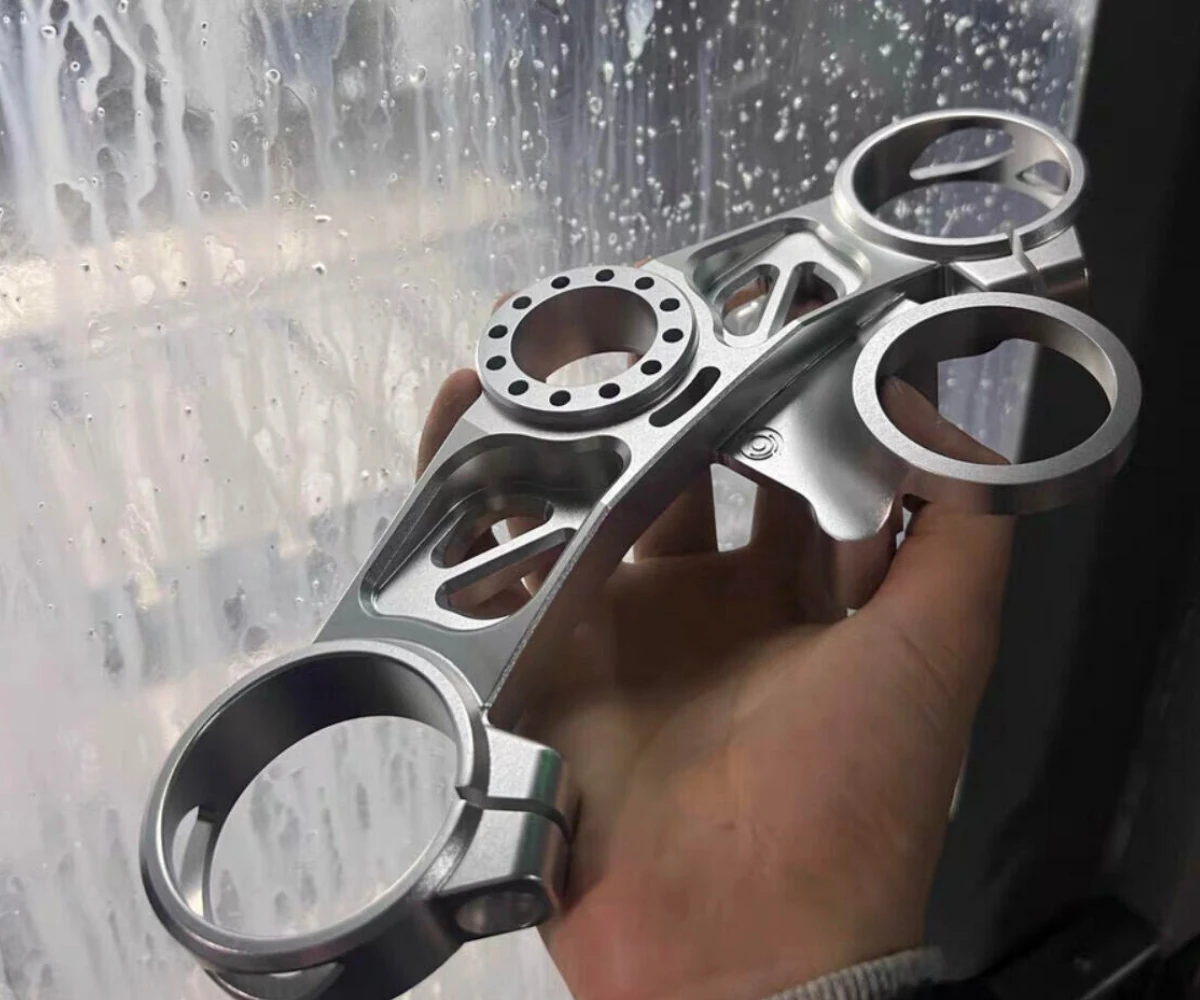
A motorcycle part may look simple but still fail because a mounting face sits out of position, a thread is hard to reach, or a coating changes a bearing fit. CNC machining lets you test those interfaces directly from your CAD model and drawing before paying for casting or forming tools.
See what happens after you send filesInstall a prototype and check clearances, hand position, mating features, and appearance on the actual motorcycle.
Confirm the profile, grip, finish, color reference, and permanent marking before you order a larger batch.
Provide the original part, mating dimensions, and service conditions so material and geometry can be checked—not guessed.
Release repeat batches from the same approved revision, finish standard, and inspection plan as demand changes.
Find the group closest to your part, then tell us where it mounts, what it touches, and what could cause the assembly to fail. Those details help us review the right features first.

Levers, foot pegs, rearsets, shift pedals, throttle parts, and handlebar accessories where reach, grip, and pivot fit matter.

Clutch covers, valve caps, reservoir covers, pump housings, and threaded caps that depend on flat faces, grooves, and reliable seals.

Headlight and exhaust brackets, mirror adapters, clamps, and mounting plates that must place connected parts where you expect them.

Wheel spacers, sleeves, pivot pins, inserts, and stepped shafts where diameter, runout, and bearing fit affect assembly.

Motor housings, controller enclosures, battery mounts, thermal interfaces, and instrument brackets designed around heat, weight, and cable access.

Decorative caps, instrument mounts, trim parts, and limited-edition accessories where finish consistency affects perceived quality.
You do not need to choose a machine before requesting a quote. Show us the features that must relate to each other, the tolerances that protect function, and the quantity you need.
Useful for covers, brackets, controls, and housings. Fewer re-clamps can help keep angled holes and related surfaces aligned.
Learn More About CNC MillingSuited to spacers, shafts, pins, bushings, and threaded parts when round features need consistent diameter and concentricity.
Learn More About CNC TurningA practical route for slender pins, inserts, and other small-diameter parts that can move or deflect in a conventional setup.
Learn More About Swiss CNC MachiningConsidered when a narrow slot, hard material, surface requirement, or close-fit diameter cannot be produced reliably by milling or turning alone.
Learn More About Wire EDM
The lightest or strongest alloy is not automatically the safest or most economical choice. Tell us about load, vibration, heat, water or salt exposure, wear, and the finish you want.
Covers, brackets, mounts, controls, and accessories
A practical starting point for low weight, reliable supply, corrosion resistance, and several finish options.
Higher-strength brackets and performance components
More strength than 6061, with added cost and different fatigue, corrosion, and finishing considerations.
Spacers, shafts, fasteners, and exposed components
Good corrosion resistance and stiffness, but heavier and slower to machine than aluminum.
Lightweight, high-strength, corrosion-resistant parts
Low weight and corrosion resistance at higher material and machining cost.
Shafts, pins, wear parts, and load-bearing applications
Useful for strength and wear; define heat treatment and corrosion protection.
Bushings, covers, guides, insulators, and prototypes
Choose the grade for moisture, heat, load, wear, and dimensional stability.


The customer needed a brake-support component for a racing vehicle before an upcoming competition and asked whether it could ship the following week. Our first job was to confirm that the requested material, finish, and drawing details could work together before machining began.
The customer sent a production drawing for a 156.5 mm-long, 60 mm-wide brake support. The drawing combined a 20 mm-wide elongated slot with an 80 mm straight section and R10 ends, a 10 mm-wide upper slot with a 50 mm straight section and R5 ends, and M10×1.25 6H and M12×1.5 6H threads on different faces. These were drawing requirements for machining review, not measured inspection results.
The initial request specified 4140 steel, sandblasting, and black anodizing. Conventional anodizing is not compatible with 4140 steel. We explained the material-finish conflict and recommended sandblasting followed by black oxide. The customer approved the revised route before production.
We machined the brake support from 4140 alloy steel using 3-axis CNC milling, then applied sandblasting and black oxide. The RFQ was received on August 4, 2025, and the completed part was shipped by FedEx on August 15, 2025.
You can review cost drivers, open questions, and acceptance criteria before material is cut—not after parts arrive.
Send the current CAD model and drawing, plus material, quantity, finish, critical features, inspection records, and target date.
We flag thin walls, deep pockets, inaccessible corners, undercuts, tight tolerances, and other details that may add cost or uncertainty.
You confirm the drawing revision, material, finish, quantity, and acceptance requirements before purchasing and programming begin.
Programs, fixtures, tools, and work instructions are prepared around the released files so the shop is not working from mixed versions.
Specified dimensions, threads, fits, surfaces, and appearance criteria are inspected with the agreed methods and records.
Threads, sealing faces, cosmetic surfaces, and close-fit features are protected for shipment, with labels and documents where requested.
Your 3D model shows shape. Your drawing should show which surfaces locate the part, which dimensions protect the assembly, and where a standard tolerance is good enough.

Identify the faces that locate the part, then dimension holes, offsets, and mating features from those stable references.
Specify thread size, pitch, class, handedness, usable depth, and whether each diameter needs clearance, transition, or press fit.
Use realistic internal radii and avoid hidden undercuts or deep narrow cavities unless they are essential to how the part works.
Reserve close tolerances for fit, motion, sealing, or alignment. Practical tolerances elsewhere usually shorten inspection time and reduce cost.
Tell us which feature could stop assembly, create a leak, change movement, or spoil a visible surface. We can then agree what will be measured, how often, and which records you need.
Mark critical dimensions and appearance zones on the drawing so inspection effort follows your assembly and product risks.
CMM, optical measurement, gauges, roughness testing, or material verification are selected according to the tolerance and feature being accepted.
Ask for FAI, dimensional results, CMM data, material certificates, traceability, or compliance documents when your approval process requires them.
Quote and purchase orders should reference the approved drawing, finish sample, inspection plan, and any change accepted since the previous batch.
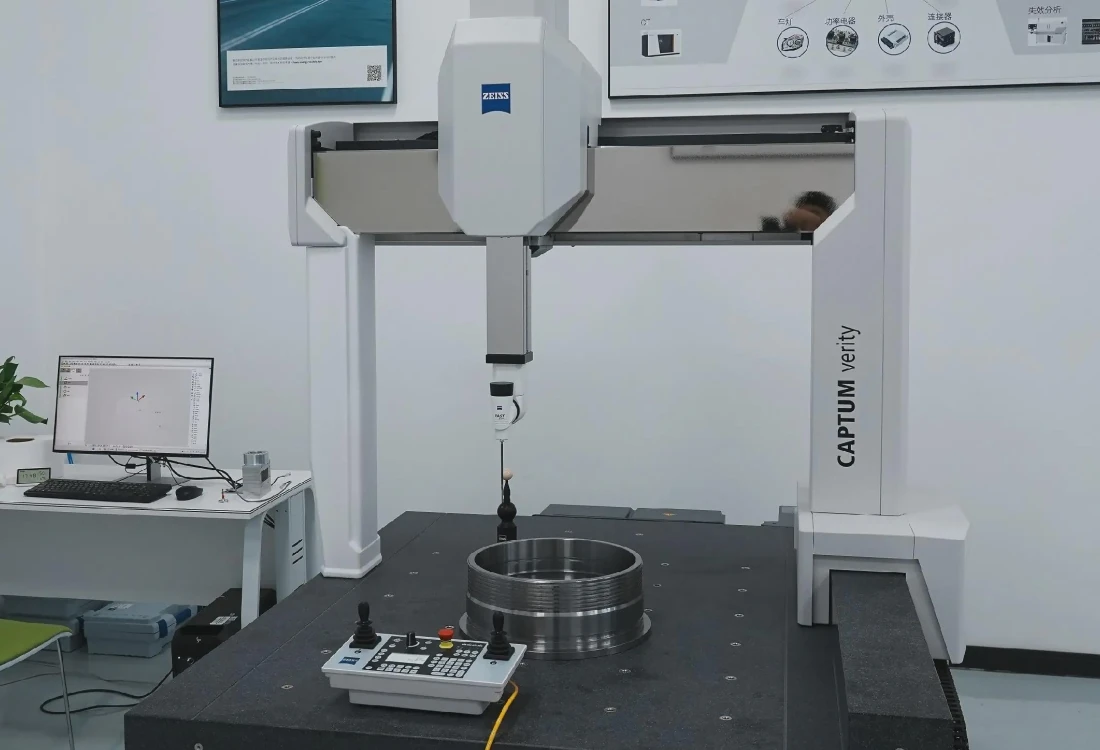
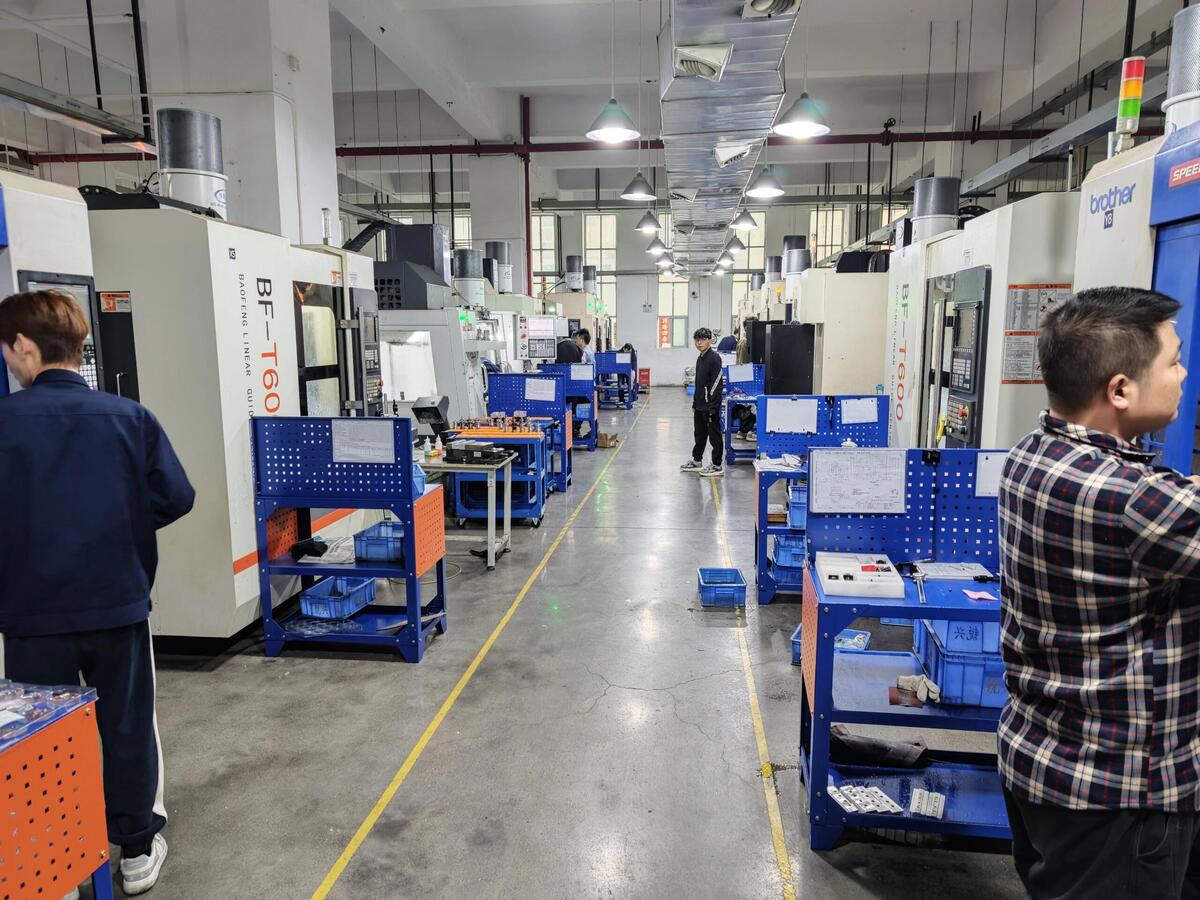
An approved prototype is useful only if the decisions behind it can be repeated. Keep the material, drawing revision, finish reference, inspection plan, packaging, and approved sample connected to each order.
Share prototype quantity, likely release sizes, and annual demand. Your quote can then show where setup cost changes the unit price and whether a pilot batch makes sense before a larger release.
Reference the released drawing on every order. If it changes, explain what changed and why so affected material, programs, fixtures, inspection records, and finished stock can be reviewed first.
Tell us whether parts go to assembly, dealers, service inventory, or a timed launch. We can quote batch labels, individual protection, kits, and staged deliveries around the way your team receives them.
Your 3D model defines shape. Add a drawing for tolerances, threads, fits, finishes, and inspection requirements. If a detail is still open, label it as a question instead of leaving us to assume.
Start Your RFQ
Sam is the founder of AT-Machining and a second-generation CNC machining professional in China. Before founding the company, he worked at Foxconn and BYD. He reviews the manufacturing guidance on this page from the perspective of machining feasibility, dimensional control, inspection, and repeat production.
Answers to questions that usually affect purchasing, change control, appearance, and delivery—but are easy to miss in a CAD model.
We will review manufacturability, identify missing decisions, and quote the process, inspection, lead time, and quantity shown in your request.