跳到内容
跳到内容 
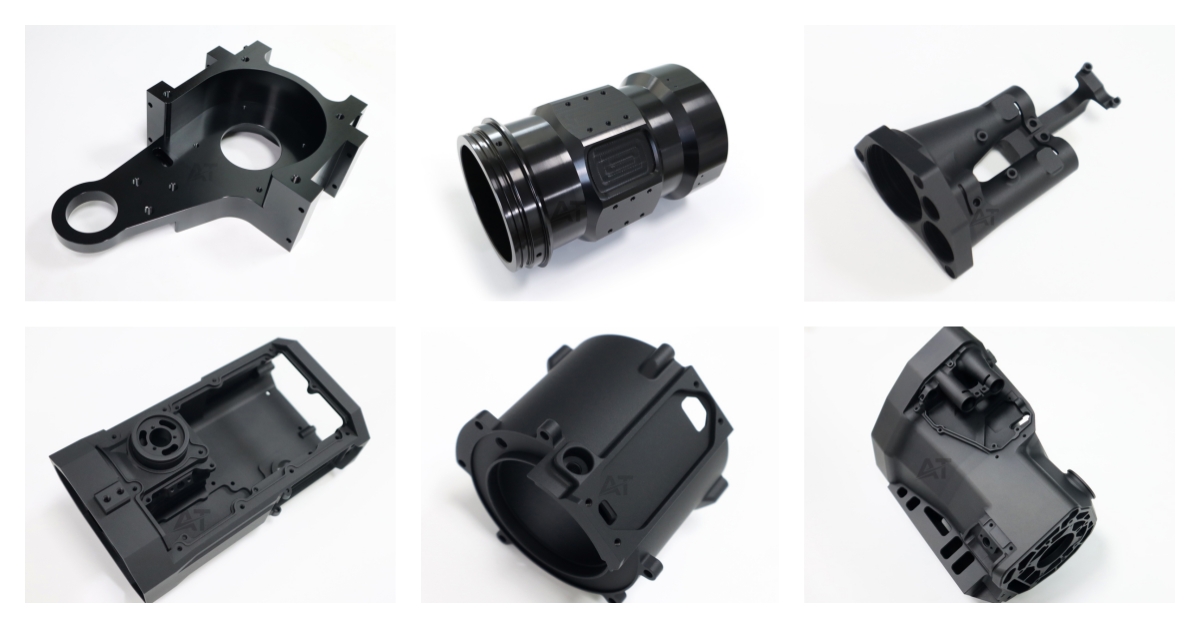
What Is Aluminum Black Anodizing?
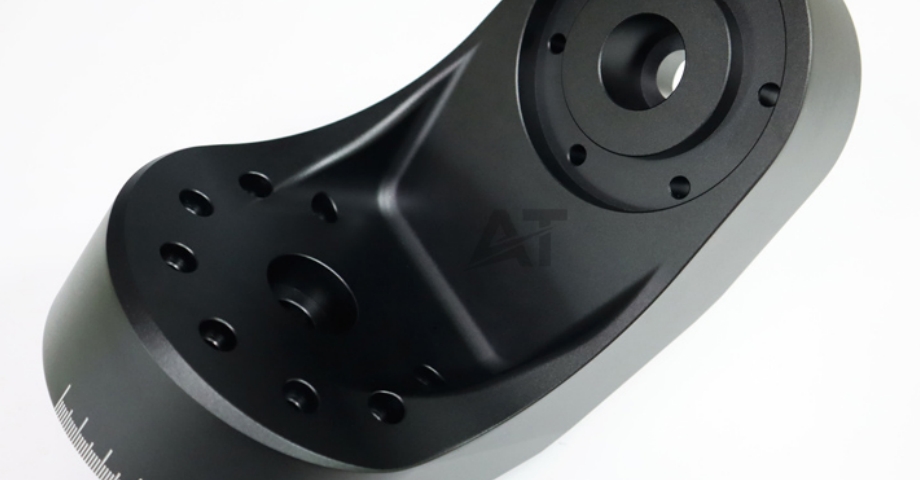
This is a surface finishing technique used on aluminum components by creating a high-performance black coating. This process is done with the normal anodizing process, where the electrochemical process converts the outer surface of the aluminum to a controlled aluminum oxide layer that will not come off the surface of the aluminum but rather become part of it.
The anodizing process produces a layer of porous oxide that forms a strong protective layer on the surface of the aluminum. The structure of the oxide layer allows the aluminum surface to absorb dyes of an organic nature or enable electrolytic processes to color the surface, producing a distinct black color. Since the anodic layer overlaps the natural lines of the raw aluminum, the black color retains the original surface texture and allows for a greater resistance to corrosion, wear, and unmatched durability.
The final aesthetic appearance will be based on the aluminum alloy used, the surface preparation performed, and the thickness of the anodic layer applied. Control of the anodic process can produce a uniform matte finish, or any other desired finish that can be applied to a wide selection of industrial aluminum components.
How the Aluminum Black Anodizing Process Works
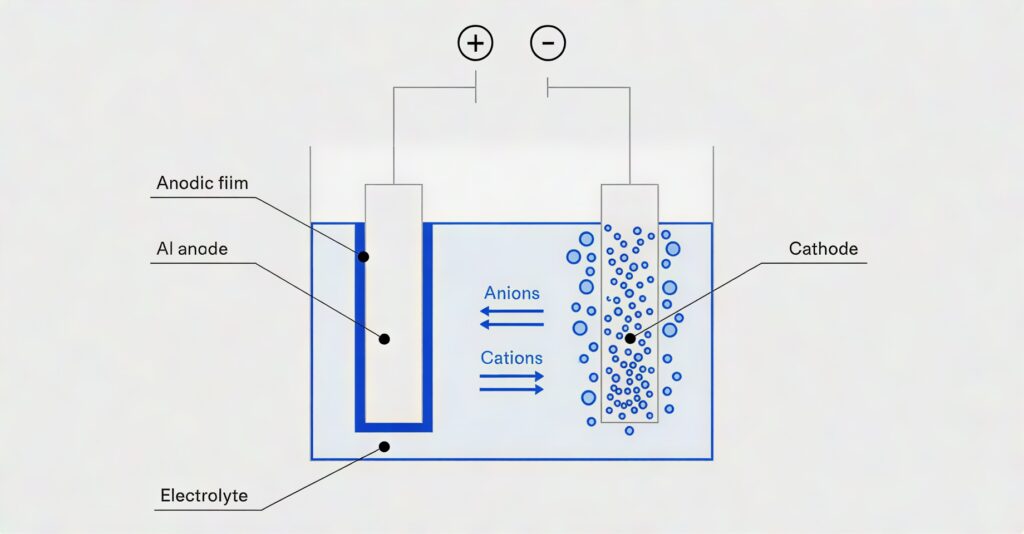
Here is a step-by-step explanation of how the black anodizing aluminum process works:
Surface Preparation (Pre-Treatment)
Before anodizing occurs, the first step involves pre-treating the aluminum component to clean it of any surface impurities, including dirt and oil. This pre-treatment will remove surface imperfections from the component, ensuring a more uniform finish for the anodized layer.
Anodizing in a Sulfuric Acid Bath
Once the surface has been prepared, aluminum is immersed in sulfuric acid with an electrical current applied to it. The result creates a porous aluminum oxide layer of aluminum oxide on the metal. Anodized aluminum is harder than non-anodized aluminum and protects the oxide layer created during the process of anodizing.
Most uses of black anodized aluminum (part) that are made through a process called “Type II sulfuric acid anodizing” to create the final finish of these parts, this technique requires an anodizing thickness of 25 microns and up so that the dye used to color the aluminum can adhere to more of the porous oxide layers in order for the end result to look solid black in appearance.
Black Coloring
The anodizing process yields a porous structure from which black dyes may be applied using two primary methods. The first method uses organic dyes to create a rich black shade. The second method uses metals or electrolytic coloring methods to create a very durable black coloration on anodized aluminum.
Sealing the Anodized Layer
This is the final step. After dyeing the anodized aluminum part, it will then be sealed using distilled water. What occurs during this sealing process is that the distilled water will react with the anodized coating to close off all of the pore openings in the anodized surface, which helps to provide a higher level of environmental resistance to color fade and longer durability to the black anodized finish.
Materials and Tools Used in Black Anodizing
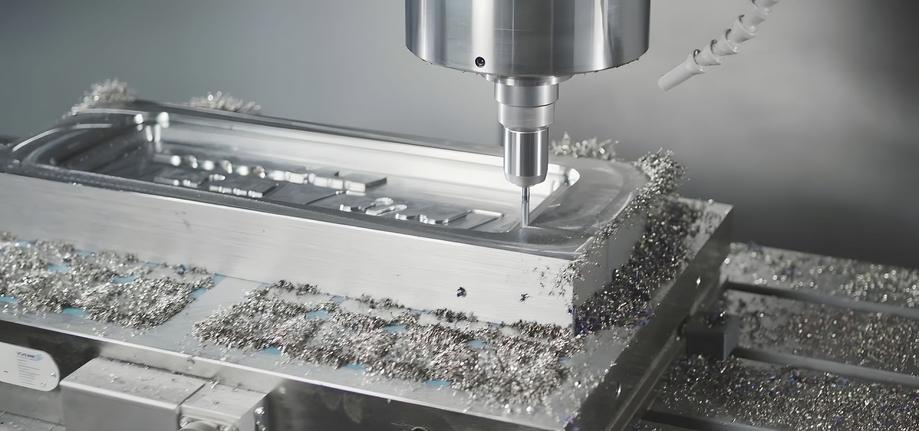
Black anodized aluminum can only be produced using the right materials and equipment to make sure each anodized layer is durable and consistent. The aluminum alloy is one of the major materials, as are the various chemicals used in the anodizing process and the equipment used to process and anodize the aluminum.
Some key materials and tools used:
- Aluminum Alloy: Choose the right aluminum alloy (typically alloys from the 5xxx, 6xxx, or 7xxx series) to use when producing anodized black aluminum so you can achieve consistent results with respect to black anodized aluminum.
- Sulfuric Acid Bath: The sulfuric acid solution used in the anodizing of aluminum creates the anodic oxide layer.
- Black Dye or Other Organic Dyes: The black color that is produced after anodizing the aluminum alloy is a result of the black dye/organic dye that is used to dye the aluminum after the anodizing process.
- Metal Salts: Metal salts can be used during the electrolytic coloring process to increase the color stability of the anodized black aluminum.
- Distilled Water: Distilled water can be used during the sealing process; this will seal the porous aluminum oxide layer.
- Anodizing Equipment: The anodizing equipment consists of various tanks (for anodizing), a power supply, and different systems for rinsing the aluminum.
- Surface Preparation Equipment: Before anodizing the aluminum, the surface must be prepared properly by cleaning it to eliminate surface defects/imperfections. The surface preparation equipment is used for this purpose.
Pros of Black Anodized Aluminum
Here are the benefits of a black anodized aluminum:

Superior Corrosion Resistance
The main benefit of black anodized aluminum is its superior corrosion resistance. The anodized layer serves as a protective oxide layer, which protects the bare aluminum surface from moisture, chemicals, and other environmental conditions.
Unlike paint or powder coatings, the anodizing layer is integrated with the metal, providing superior durability and resistance to extreme environments.
Wear and Abrasion Resistance
The porous oxide layer created from black anodizing increases surface hardness and contributes to abrasion resistance. This will help protect anodized parts from scratches, wear through mechanical means, and damage from day-to-day use.
Therefore, it is an excellent choice for use in electronics, architectural components, and aerospace applications where long-lasting anodized finishes will be needed.
Heat Dissipation
The heat dissipation capabilities of black anodized aluminum are great. Therefore, it is effective for providing heat dissipation for many applications, such as heat sinks and electronic housings. The thermal properties of the anodized layer do not compromise the corrosion resistance or structural integrity of the aluminum or the part it is used on.
Electrical Properties
The anodic coating provides a natural layer of insulation to the surface of the aluminum, which is valuable in the commercial market. The anodic coat will provide insulation as well as support the other mechanical requirements, while the anodic layer retains the mechanical properties of the aluminum substrate.
Aesthetic Appeal and Consistent Finish
With electrolytic coloring or organic dyes, the black anodized aluminum has the option of producing a rich black matte or glossy finishes. Additionally, the uniformity and color stability make it perfect for architectural elements, high-end consumer products, or premium-grade aluminum components. It can provide a visually appealing and durable product.
The final appearance is also influenced by surface polishing before anodizing. While a caustic etch procedure microscopically roughens the aluminum surface to produce a matte finish, mechanical polishing or chemical dipping can produce a glossy finish.
Cons of Black Anodized Aluminum

With 30 years of CNC experience, Sam is dedicated to solving complex design and machining challenges, ensuring precision and efficiency for every customer project.
[email protected]Best Practice for Aluminum Black Anodizing
Specify "pre-Surface Finishing" dimensions for tight tolerances. Anodizing adds $0.0005"–0.002"$ per surface, which can cause assembly interference if the coating thickness isn't subtracted from the CAD model.
Contact Our CNC Machining ExpertHere are the drawbacks of a black anodized aluminum:
Limited Color Options
Although black anodization gives an attractive black look, it does not have as many options as painted or powder-coated finishes. To get other shades requires an additional process. The anodized layer maintains a matte look, which does not match all design preferences.
Potential for Fading Under UV Light
Most of the organic dyes used in black anodizing tend to fade upon UV exposure. However, inorganic dyes ensure color stability, but prolonged exposure to UV can still affect the color uniformity of the black anodized aluminum. Especially in outdoor applications.
Surface Imperfections Are Visible
Since the anodized layer follows the contour of the aluminum surface and is transparent, any surface imperfections from pre-treatment or machining will remain visible. So, to get a perfect anodized finish, careful preparation is needed.
Higher Cost for Complex Parts
Depending on a number of variables, black anodizing aluminum usually costs between $50 and $200 per square foot. Because they take longer to process, larger aluminum components are typically more expensive. Because it takes longer to create the anodic film, thicker anodized coatings are also more expensive.
The final cost of the anodizing may be further increased by additional procedures like polishing, sandblasting, or specific surface preparation.
Thickness Limitations
The thickness of the anodized surface layer of the black anodized surface on aluminum also limits the maximum thickness of the anodized surface, since there may be some issues with achieving a consistent thickness of the anodized layer.
Also, an inconsistent anodized layer may affect the color of the finished product and the other technical properties of the finished product when the aluminum is being used.
Applications of Anodizing Black Aluminum

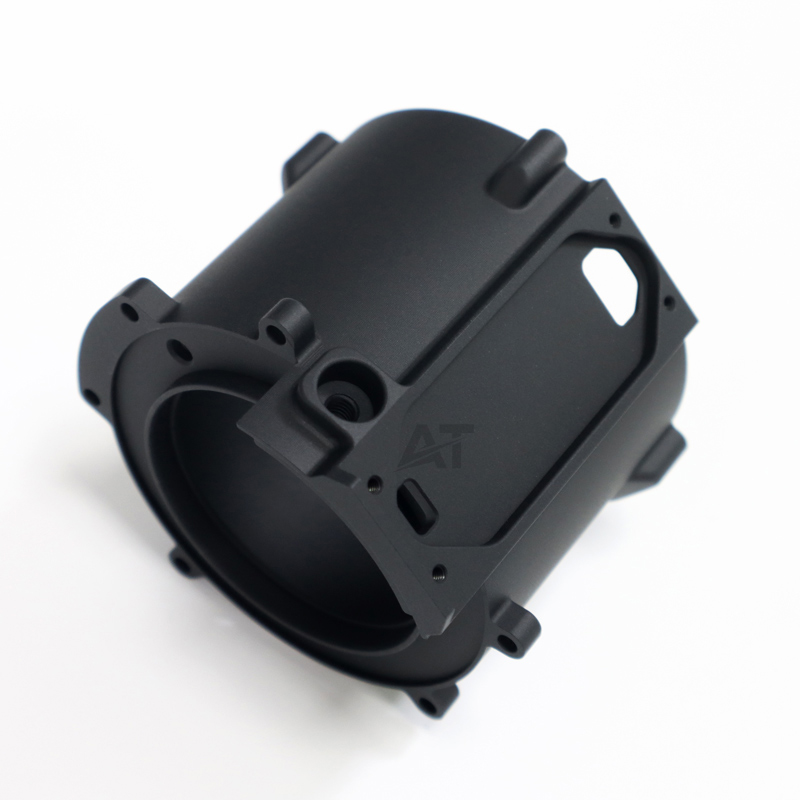
Below are the various applications of a black anodized aluminum:
Aerospace and Satellite Components
Aerospace and satellite components frequently use black anodized aluminum due to its exceptional durability, corrosion resistance, and ability to resist wear. Because the anodic coating does not produce gases in a vacuum, it is safe for use in aircraft parts and space-related applications.
Additionally, black anodized aluminum provides excellent heat dissipation as well as electrical properties for satellite components, which are often subjected to harsh environments.
Consumer Electronics
Consumer electronics benefit from black anodized aluminum’s uniform finish and deep black color. Laptop computers, smartphones, and electronic enclosures are among the many types of electronics that use the material. The anodized coating protects devices from scratching and preserves their premium appearance through consistent coloring.
Furthermore, black anodized aluminum’s heat-dissipation characteristics decrease the likelihood of overheating in compactly assembled electronic devices.
Architectural Elements
Architects’ use of black anodized aluminum extends to creating window frames, curtain walls, and decorative elements. Additionally, black anodized aluminum has a matte finish, uniform surface, and exceptional durability to resist UV fading, weathering, and surface imperfections, providing architects with the ability to create appealing designs for modern buildings.
Automotive and Industrial Applications
Black anodized aluminum is used for automotive trim, engine parts, and other parts that use aluminum and offer functional benefits such as corrosion resistance and wear resistance. The hard-on-black anodized aluminum helps the component last longer, while the black anodized finish provides a uniform color finish for the component that is both decorative and functional.
Black Anodizing vs Paint and Powder Coating
To be more precise in terms of durability, the black anodized layer is better than paint or powder paint because it becomes part of the surface of the aluminum. Paint can chip or peel away from the surface of the aluminum, but the anodized layer is a stable layer that creates an extremely hard oxide protection on the surface of the aluminum. This oxide layer provides superior resistance to corrosion, wear, and abrasion compared to either paint or powder paint.
The same anodizing process provides a consistent finish and uniform color across even very complicated aluminum pieces, where both function and appearance are very important. Black anodizing also has functional characteristics that exceed those of paint or powder coatings as well.
The anodized layer is an excellent conductor of heat, which makes it an ideal choice for heat sink applications, as well as for any electronic housing application, plus the anodized layer provides electrical insulation.
The anodized finish can be produced to have either a matte or glossy look and will have both maximum durability and color retention, even when exposed to UV light. As a result, black anodized aluminum is the premium finish option for demanding applications that require both functional benefits and visual quality.
Conclusion
Black anodized aluminum has several characteristics that make this material great for all types of uses, from aerospace applications to consumer electronics. The oxide layer formed during the anodizing process is much more durable than painted or powder-coated surfaces. Do you want to anodize your aluminum components to achieve a durable finish and tuning? AT Machining is what you need. We provide both CNC machining and client base services for producing high-quality black anodized precision parts. Contact us today to get started.