Skip to content
What is Anodizing?
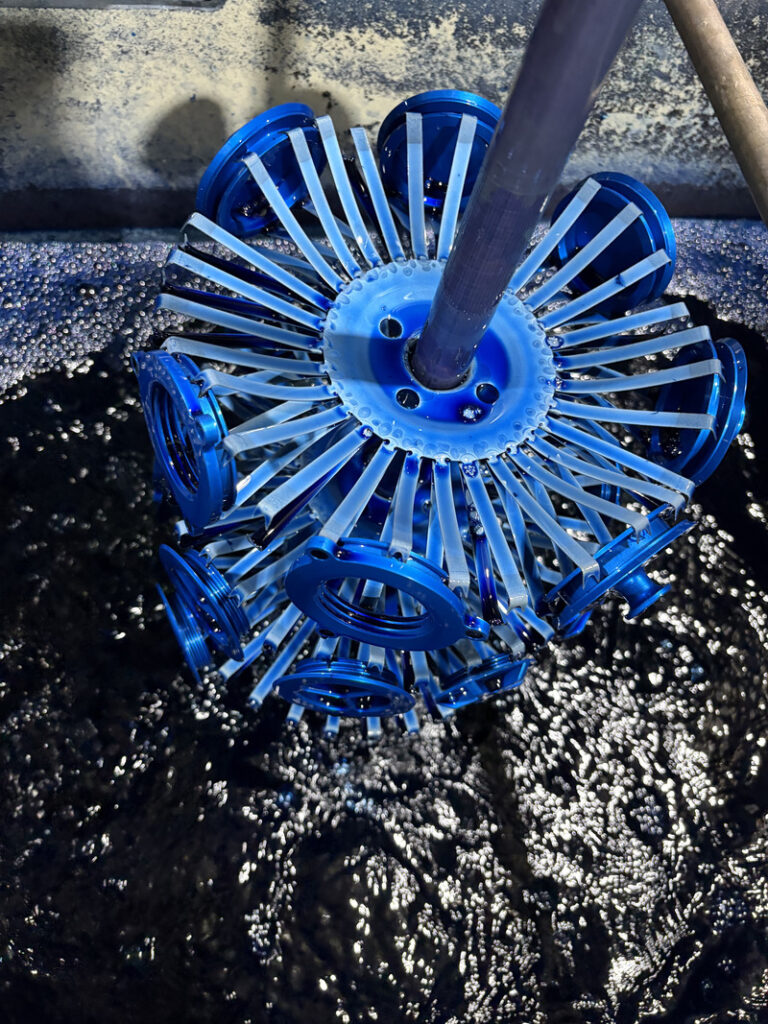

It is an electrochemical process that changes a metal’s surface into an anodic oxide finish to give an extremely durable, corrosion-resistant surface. Anodising is primarily used to provide increased durability and improved aesthetics to aluminium surface materials, especially anodised aluminium.
The anodising process begins with the aluminium substrate being immersed in an electrolytic bath while an electric current is passed through the aluminium. This controlled oxidation of the aluminium greatly enhances the natural oxide layer that is present on the metal surface by creating an increased and much thicker anodised layer. This anodised layer acts as a protective coating on top of the aluminium.
As a result of the anodising process, the anodised layer is chemically bonded to the underlying metal substrate, providing optimum wear resistance, corrosion resistance, and a richer metallic appearance.
How the Anodizing Process Works
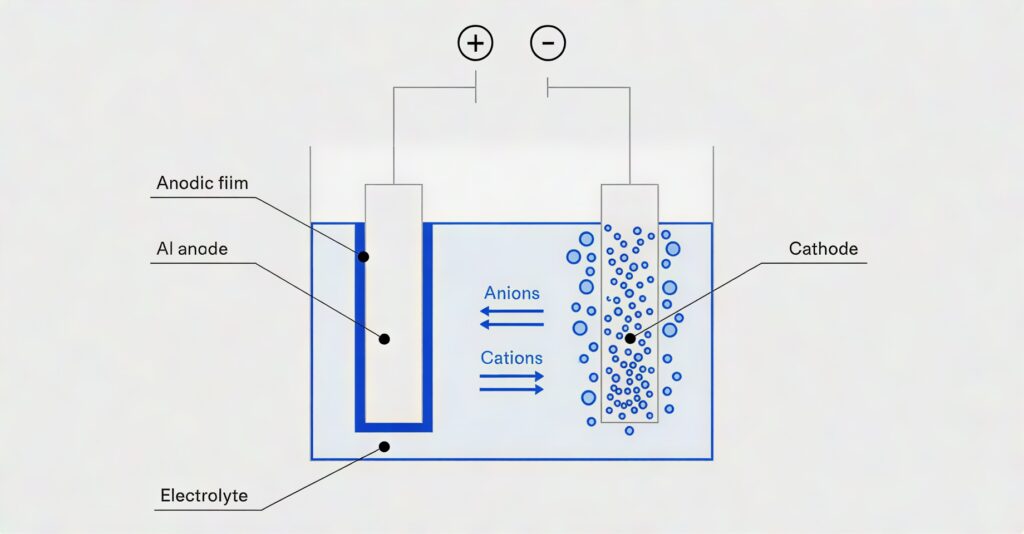
Anodizing process involves immersing a metal (particularly aluminum) in an electrolytic solution, and an electric current is then passed into it, creating an aluminum oxide coating. This process starts when you immerse your aluminum into the electrolytic bath and establish it as an anode.
By using electric current through the electrolytic solution, an electrochemical reaction occurs on the aluminum surface, where the aluminum will experience oxidation, thus creating an oxide layer on the base metal. Unlike an ordinary coating that can be applied, the anodized coating becomes part of the base metal, creating a very durable protective oxide material.
The end product is an anodized layer that is much thicker than what formed naturally over time. The oxide layer created during anodizing has a much better corrosion resistance, abrasion resistance, and will perform much better for aluminum manufactured products from all different areas and industries.
Key Properties of Anodized Surfaces
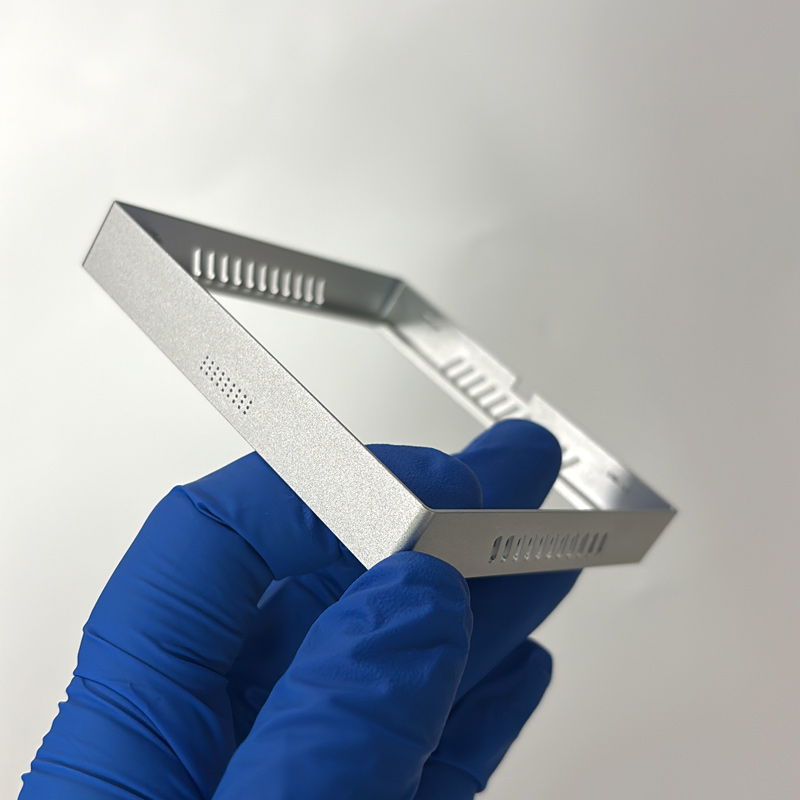

Below are the key properties of anodized surfaces:
Wear and Corrosion Resistance
Anodized surfaces offer exceptional corrosion and wear-resistance properties, allowing them to withstand extreme conditions. The strengthened oxide provides long-lasting protection to an aluminum substrate by encompassing the metal in a fortified oxide layer.
Strong, Integrated Protective Layer
The anodized coating is formed by creating a thin protective layer that is completely bonded to the metal underneath. This bond makes the anodized coating more reliable than many other types of coatings, such as liquids, that tend to peel off or flake away. Therefore, anodized aluminum components provide a much higher level of durability than coated aluminum components.
Chemical Resistance and Electrical Insulation
Anodized aluminum has excellent chemical resistance and also maintains the ability to provide insulation from electricity, allowing it to be used as both a functional and decorative product across the vast majority of industries.
What is Powder Coating?
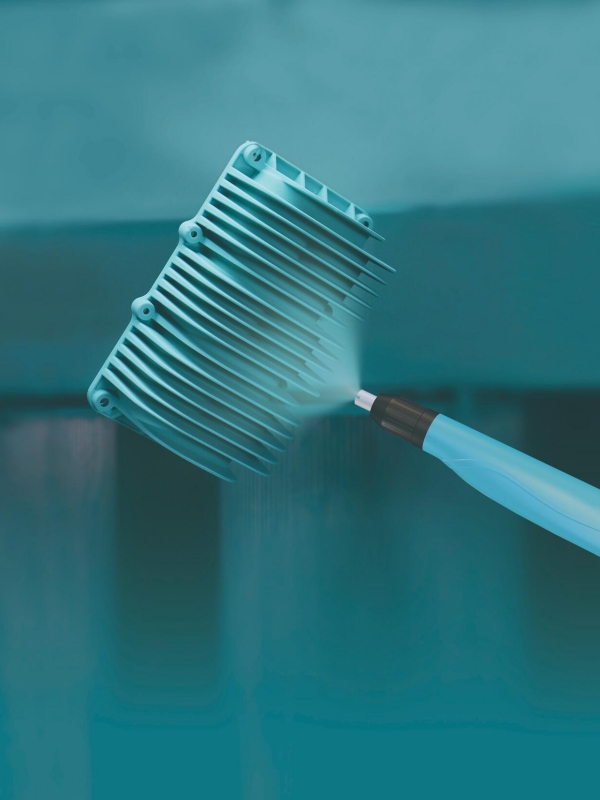
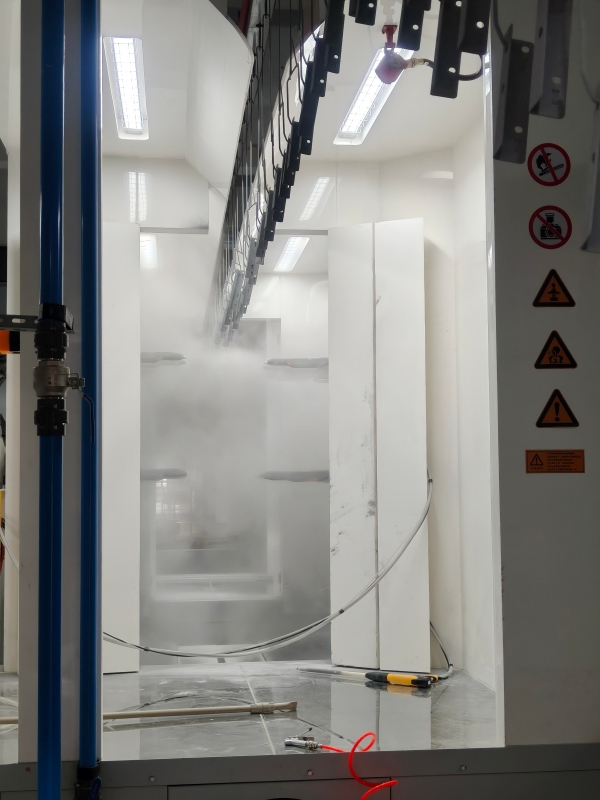
Powder coating is how we electrostatically apply dry coatings of thermoplastic or thermoset polymers onto the surface of a metal. This process is widely used to create a durable protective coating on many types of metal products, with the ability to also offer a decorative layer through finishing.
The difference between powder coatings vs. liquid coatings, in addition to the coating material being used, is that powder coatings are made by applying dry powders onto the metal substrate using an electrostatic charge, and then the part is heated (cured) to where the powder would melt and form a smooth, uniform coating of protection.
This process is so popular in several industries because powder coatings have excellent corrosion resistance, strong UV resistance, and an extensive selection of powder coating finishes available for an attractive finish.
How the Powder Coating Process Works
The process begins when a dry powder is applied to a metal surface through electrostatic charging before applying the powder through an electrostatic charge. The charged powder builds up on the bare metal, creating an even coating when completing the work with the powder. Because there are no solvents for this process, it is considered environmentally safe since the process generates almost no (VOCs) or volatile organic compounds.
Once the powder is applied to the surface, the coated metal part is then placed in the oven and cured at high temperatures (cured). This allows the powder to melt and flow together to create one continuous layer of protective and decorative finish. The end product has a consistent thickness, high adhesion, and is extremely resistant to UV light or penetrations from the sun, making it perfect for functional protection and having a pleasing appearance on aluminum parts, metal goods, and other objects in many different kinds of businesses.
Key Properties of Powder Coating
The coating method of applying powder to a surface is very durable and can withstand corrosion, wear, and UV rays. The powder coatings are much thicker compared to anodized aluminum. As an example, anodized aluminum is only a thin layer of oxide that forms when the aluminum is in contact with air. Whereas the powder-coated aluminum will have the appearance of a thick-shell protective coating. It also helps to hide any imperfections in the surface and creates a consistent, smooth, attractive finish.
In addition to being durable, powder-coated finishes also have excellent chemical resistance and mechanical properties. Therefore, powder coatings make great choices for many applications, such as structural, architectural, automotive, and industrial equipment.
Powders produce virtually NO VOCs, which makes them environmentally-friendly alternatives to liquid coatings. The large number of powder-coating options now available means bright colors, textures, and UV-resistant finishes can be applied to both protect and enhance the visual appearance and functionality of objects manufactured in many industries using this coating method.
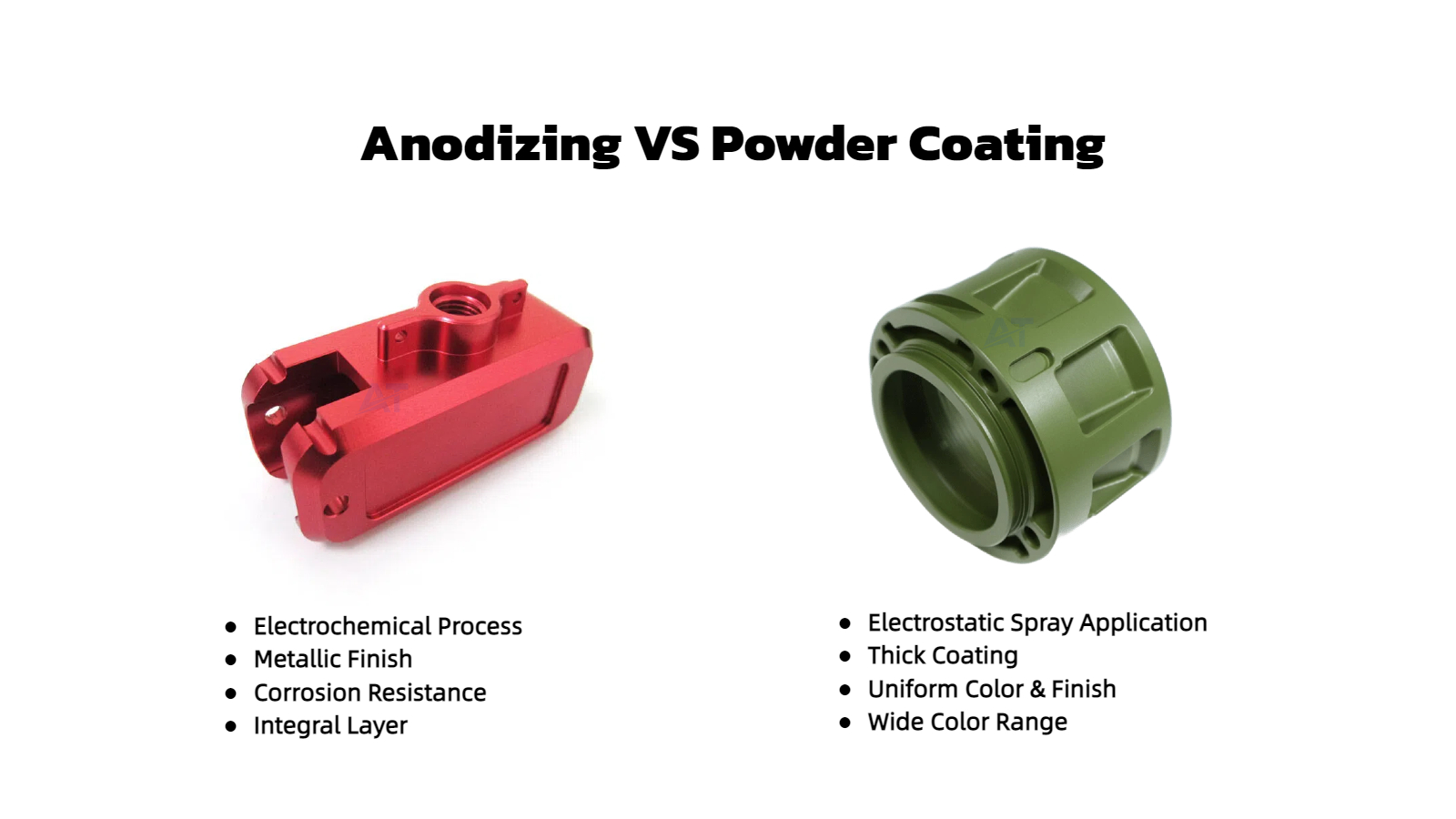
Anodizing vs Powder Coating: Key Differences
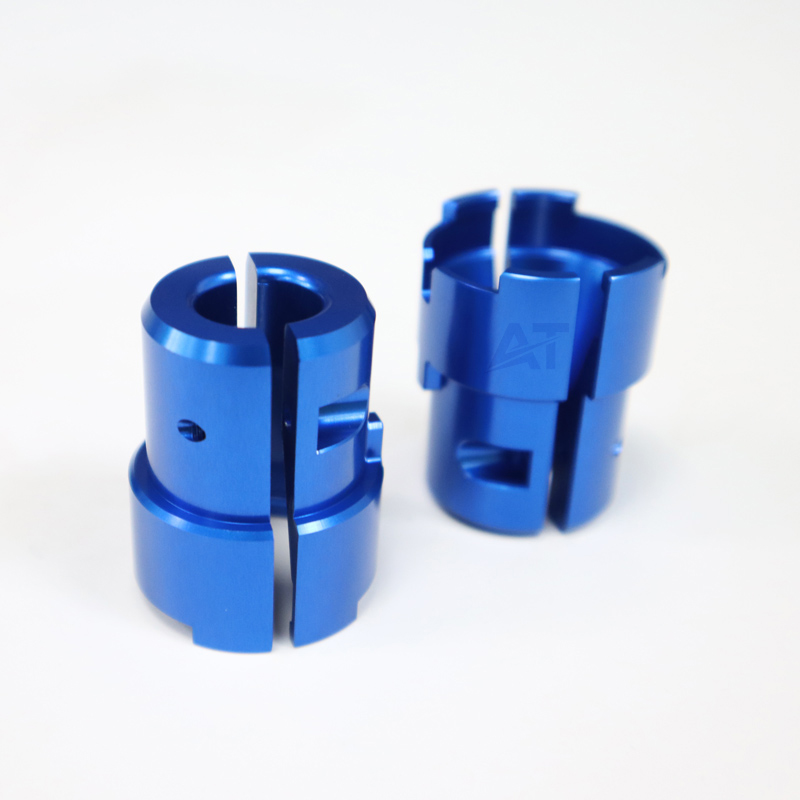
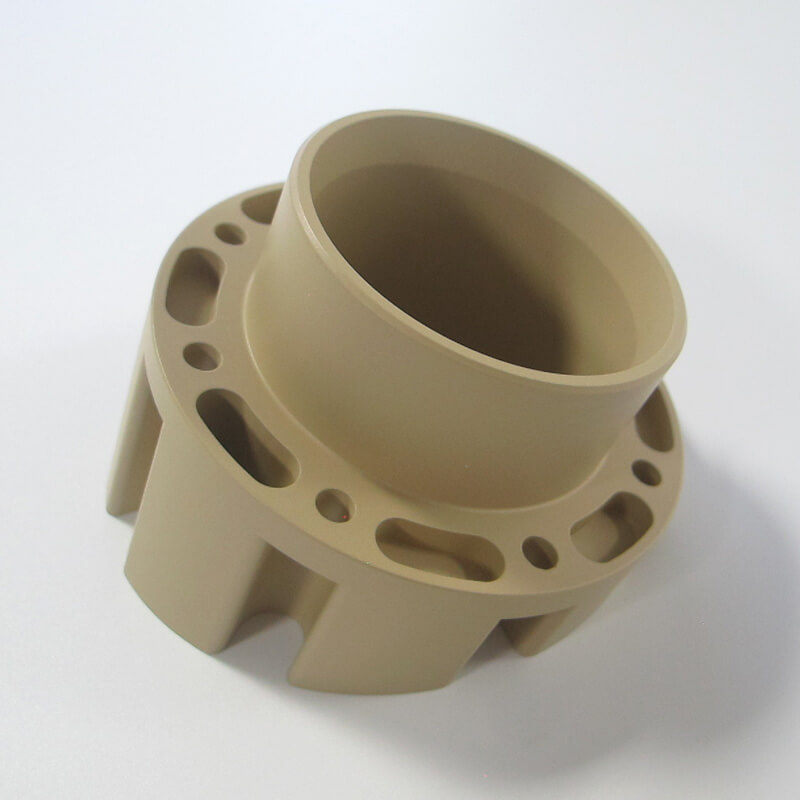
When comparing anodizing vs powder coating, the differences span process, appearance, durability, environmental impact, and cost. So it is essential to know which suits your application best:
Process
Anodizing is an electrochemical procedure that is primarily limited to applying a protective layer to aluminum and aluminum alloys. The anodizing process requires immersing bare aluminum into an acidic electrolyte and passing an electric current through it, which results in a thickening of the anodic oxide layer formed on the surface of aluminum. The anodic oxide coating forms a hard, permanent layer that serves as an effective barrier from the atmosphere and is chemically durable because it bonds to the base material and is therefore created as a part of the base material, forming a hard, heavy-duty protective oxide coating.
Powder coating, on the other hand, uses a dry, powdered paint formulation to create a decorative and protective coating on metal surfaces. The powder is electrostatically charged and applied to the metal substrate, where it is then baked at a sufficiently curing temperature to cure the paint into a continuous, smooth, hard finish.
Appearance and Finish
While anodized aluminum has a sleek, metallic finish, it is limited in its colour selection. The anodized surface is a natural-looking metallic surface that reflects light well, making it an ideal aluminum finish. In contrast, powder coating has many colour options, texturing, and UV protection, providing manufacturers and designers with much more leeway when designing a product that will be visually appealing. Powder coating can also effectively mask any imperfections on the product’s surface, making it an ideal option for decorative product applications.
Durability and Performance
Both types of coatings are intended to improve the life of metal products, but they achieve this in different ways. Due to the highly encapsulated nature of the anodized coating and the formation of a metallic bond between the coating and the metal substrate, anodized coatings are typically more corrosion, abrasion, and wear-resistant compared to the powder-coated alternative. The anodized coating is very thin in terms of thickness, yet because the anodized coating is bonded to the substrate, it is virtually impossible to remove or peel off.
Although powder coating has a thicker application, depending on the manufacturer and type of finish, both products provide chemical and UV resistance, and both require some form of impact resistance; however, the powder coating may chip or flake off if the powder coating’s surface is physically damaged.
Environmental Impact
Anodized and powder-coated surfaces are both eco-friendly. However, while anodizing can be eco-friendly if the electrolytic bath is managed properly and recycled, it still generates hazardous waste during the handling of these hazardous materials. Conversely, powder-coated surfaces do not emit any VOCs and do not use any solvents, making them a much greener alternative for your large-scale production.
Cost Considerations
Cost is also an important influence on whether you choose anodizing or powder coating. Anodizing will generally be more expensive because the electrochemical process is quite involved, and therefore requires specialized equipment and longer processing times than is needed for a comparable product that has been powder coated. Powder coating offers a lower-cost alternative for finishing products on a large-scale basis, yet the resulting coating will provide a strong protective layer and decorative as well as coating thickness, while maintaining superior durability in many applications.
Anodizing Applications

Anodizing is a process that can be applied to aluminum and aluminum alloy components to increase the thickness and hardness of the oxide layer on the surface by creating an anodized coating. The corrosion resistance, wear resistance and abrasion resistance of anodized aluminum make it an excellent choice for structural and architectural projects such as door frames, window frames, curtain walls, and extrusion frames.
Anodized aluminum can also be very useful for applications such as industrial equipment, mechanical parts, consumer products, and food service equipment. These products require a thin, integrated layer of protection to provide durability and to maintain a clean surface. Additionally, the metallic finish of anodized aluminum provides an aesthetically pleasing appearance as well as additional protection against ultraviolet rays, making anodized aluminum suitable for use in outdoor applications and harsh environments.
Powder Coating Applications
Due to being a very versatile type of coating material, powder can be used on many different metals beside just aluminum. It could be used on parts for cars, metal gutters, bicycle frames, industrial machines and home appliances. Powder coating creates a thicker, more durable layer than other coatings such as paint; this means that it protects surfaces better from both UV rays and chemicals, as well as providing the surface with more impact protection than conventional coatings. In addition, because powder coatings are capable of completely covering surface imperfections (ie. they smooth out imperfections), they are perfect for use on products that need to be aesthetically pleasing but also durable.
Architecture and construction industries commonly apply powder coat finishes to exterior surfaces made of aluminum, such as doors and window frames, facade systems, and architectural fixtures. Because powder coatings come in a huge variety of finishes, the architect or designer has an infinite number of options when designing rich metallic looks and attractive finishes. In addition to producing an almost total reduction of VOC’s, due to it being a dry finishing process, powder coating is also environmentally friendly for all the various industries that require high performance/sustainability.
Pros and Cons of Anodizing
Below are the advantages and disadvantages of anodizing:
Anodizing Pros
- Superior corrosion resistance: The anodic layer protects (or protects through) aluminum from corrosion, damage to its surface from environmental factors, and damage from chemical and UV light exposure.
- Integrated protective layer: The anodic coating is bonded to the underlying metal, which creates an exceptionally durable finish when compared to other types of coatings that sit on top of the metal.
- Wear and abrasion resistance: Anodized finishes are particularly good for industrial and mechanical parts, structural projects, and applications.
- Metallic, natural finish: Anodized aluminum parts have a brilliant finish that creates an appearance that is both attractive and sleek with a metallic finish.
- Electrical insulation: Provides a non-conductive surface for some applications – Due to the insulating properties of the anodized layer, anodized parts can be used for certain electrical applications.
- Environmentally friendly: If the electrolyte from anodizing is properly recycled, anodizing produces minimal negative impact on the environment.
Anodizing Cons
- Limited color options: Mostly metallic or natural tones; less flexibility compared to powder coating.
- Higher cost: More expensive due to specialized equipment and the electrochemical process.
- Difficult to repair: If the anodized surface is damaged, it is more difficult, or even impossible, to adequately repair the anodized part.
- Mostly restricted to aluminum: Anodizing is not suitable for most non-aluminum metals.
Pros and Cons of Powder Coating
Below are the advantages and disadvantages of the powder coating procedure:
Powder Coating Pros
- Thicker, protective layer: Can provide excellent resistance to corrosion, chemical resistance, and UV resistance.
- Wide range of colors and textures: Allows the opportunity to create an aesthetically pleasing surface finish.
- Covers imperfections: Provides a rich metallic finish on surfaces that need it or a consistent finished product.
- Cost-effective: Anodizing is often less expensive than anodizing in large volume production runs.
- Environmentally friendly: Produces very little to no VOC’s and does not require hazardous chemicals during the application process.
- Easier to repair: Surface restoration of damaged areas is easier with powder-coated surfaces than with anodized surfaces.
Powder Coating Cons
- Prone to chipping: Although very durable, powder coating on aluminium surfaces can chip and/or peel if impacted physically.
- Thicker coating may hide details: Details of a surface may be less visible, unlike anodized aluminium.
- Less heat dissipation: Unlike anodized aluminium, it does not provide the same performance with regard to providing electrochemical conductivity or transferring heat efficiently.
How to Choose Between Anodizing and Powder Coating

With 30 years of CNC experience, Sam is dedicated to solving complex design and machining challenges, ensuring precision and efficiency for every customer project.
[email protected]Best Practice for Anodizing & Powder Coating
Compensate for coating thickness; anodizing grows 10–50 microns while powder coating adds 60–120 microns, so adjust CNC dimensions or mask critical fits to maintain tolerance.
Contact Our CNC Machining ExpertYour decision on anodizing versus powder coating ultimately comes down to how you value the following four characteristics: durability, appearance, cost, and material compatibility. Both processes create a layer of protection and decoration; however, there are fundamental differences in the way they create these layers.
In terms of your aluminum parts that require long-term corrosion resistance, wear resistance, and a beautiful, shiny metallic finish, anodizing is the way to go. The anodized layer of your aluminum part is integrated directly into the underlying metal and creates a strongly adherent protective oxide coating for the underlying metal that is very resistant to abrasion, UV rays, and harsh environments. Anodizing is the most appropriate finishing option for structural and architectural applications, industrial equipment, and mechanical components where durability is critical.
Conversely, if you need thicker protective coatings on your products, a wide selection of colours and textures available, or to cover the many imperfections that metals can exhibit, powder coating is more suited to these types of applications. Powder coating provides excellent ultraviolet (UV), chemical, and abrasion resistance, making it a great choice for automotive parts, aluminum doors, metal gutters, and other metal products exposed to outdoor elements. It is also cost-effective for large-scale projects due to the minimal amount of VOCs (volatile organic compounds) released during the application process; therefore, powder coating is a more environmentally friendly option as well.
Several other things need to be examined, such as repairability and the ability to conduct electrical current, in addition to process limitations. In general, anodized surfaces are not a good option for electrically conductive surfaces, and it is much more difficult to repair damaged anodized surfaces than it would be for powder-coated surfaces.
While powder coat can also be electrically conductive, it may provide a greater degree of electrical conductivity than anodized surfaces, allowing for an easier repair process. Furthermore, anodizing is usually restricted to aluminum and its alloys, whereas powder coating is generally able to be applied to a wider variety of metal surfaces.
Conclusion
Your decision about which process to use, anodizing or powder coating, should depend upon your needs. Anodized aluminum products have an impressive, durable oxide layer formed on their surface that provides good wear and corrosion protection, and have a beautiful metallic finish. On the other hand, powder coating offers decorative and protective layers with bright colors, as well as UV and chemical-resistant finishes.
After deciding the best finish for your project needs, you need to get in touch with a surface finish expert. AT Machining offers amazing surface finishing and fabrication services. We deliver high quality component for all kinds of applications. Contact us today!