Skip to content

What Is a Custom-Machined Shaft?
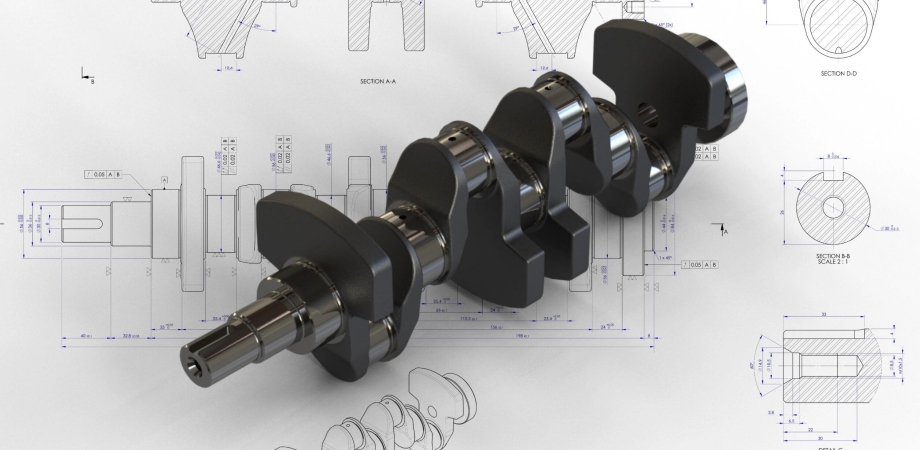
A custom-machined shaft is unlike standard shaft parts because it is personalized to specific application needs to meet functional loads and motion requirements for peak performance, reliability, and efficiency.
These shafts are usually round or cylindrical mechanical components that fit precisely with couplings, bearings, pulleys, or precision gears to handle load and torque. Customized shafts play a crucial role in transmitting power, motion, or rotation within mechanical systems or industrial equipment, enabling seamless efficiency and operation.
Steps Involved in Manufacturing Machined Shafts
Generally, custom shaft manufacturing involves a set of steps to ensure the manufactured shaft meets the strict requirements and standards of each industry application. Here are the core steps to processing functional custom-machined shafts:
Design and Programming
Another key step in manufacturing custom-machined shafts is to make a design and program for the production process. It involves material selection, determining the shaft material, length, diameter, and tight tolerances specifications to create a CAD (computer-aided design) file for your custom-made shaft with CAD software.
Then, use the CAM (computer-aided manufacturing) software to produce tool paths for the CNC machinery to match the requirements of the shaft parts, generating a CNC program that governs the machine’s functions through the machining process.
Machine Setup
To achieve the desired results, you must choose the appropriate CNC machine type, such as a lathe or milling machine. Then, prepare the blank and select the right CNC tools, such as turning tools or end mills. More importantly, secure the workpiece in position firmly with the fixtures and cut with sharp tools.
Machining Shaft
Cutting custom shafts with a CNC machine and cutting tools helps achieve the preferred specifications. Machinists use the CNC turning technique to fabricate cylindrical components, particularly precision shafts, because of its high precision and versatility. A spindle rotates the cylindrical blank with a work-holding device like a chuck or collet as the cutter removes excess material and shapes the workpiece.
Inspection and Quality Control
After machining, inspect the machined shafts to ensure quality. Check for concentricity, runout, surface roughness, dimensional accuracy, desired hardness, and taper angles. Stringent inspection protocols help ensure the shaft parts conform to standard tolerances and specifications.
Surface Finishing
Product engineers often choose a compatible surface finishing for customized shafts depending on the project requirements, intended application, and working conditions. These surface finish options are perfect for enhancing the functionality and surface quality of the machined shafts to ensure they meet the requirements of the intended application.
Common Processes Used to Create Custom Machined Shafts
Manufacturing engineers leverage the unique benefits of different process techniques in manufacturing shaft parts to achieve desired features. Here are some of the most widely embraced shaft manufacturing methods:
Electrical Discharge Machining
EDM (Electrical Discharge Machining) involves using electrical sparks or discharge to vaporize the surface of solid machined shafts to make intricate, small cuts. It is an efficient shaft machining technique that helps to cut out small features and add intricate details on solid machined shafts.
CNC Milling
This process involves using a rotating multi-point cutter to remove excess material from a stationary shaft to achieve desired shapes and sizes. CNC milling is your go-to option in situations when you need to cut features like keyways and splines on the surface of machined shafts.
CNC Drilling
CNC drilling is a precision machining technique that creates holes and channels of preferred depth and diameter in precision-machined custom shafts. This process helps fabricate grooves of varying depth and diameter to ensure the proper fit and function of the machined shafts. More importantly, drilling is significantly more straightforward and economical than other machining methods.
CNC Turning
CNC turning is an ideal machining technique for cylindrical turned parts, especially precision shafts. The CNC machine rotates the shaft a fastened to the chuck, while a specialized cutting tool removes material from the surface of the stock material as it rotates. This process offers the required surface finish and diameter for custom-machined shafts. More so, CNC turning is the ideal choice for high-volume manufacturing projects that require rapid production of many shaft parts.
CNC Grinding
CNC grinding is a precision machining process that employs specialized tools, such as an abrasive spinning wheel, to improve the surface quality of machined shafts. It helps ensure the shafts achieve a tight tolerance. The rotary grinding wheel engages the shaft to meet the preferred dimensions.
Typical Custom Machined Shafts
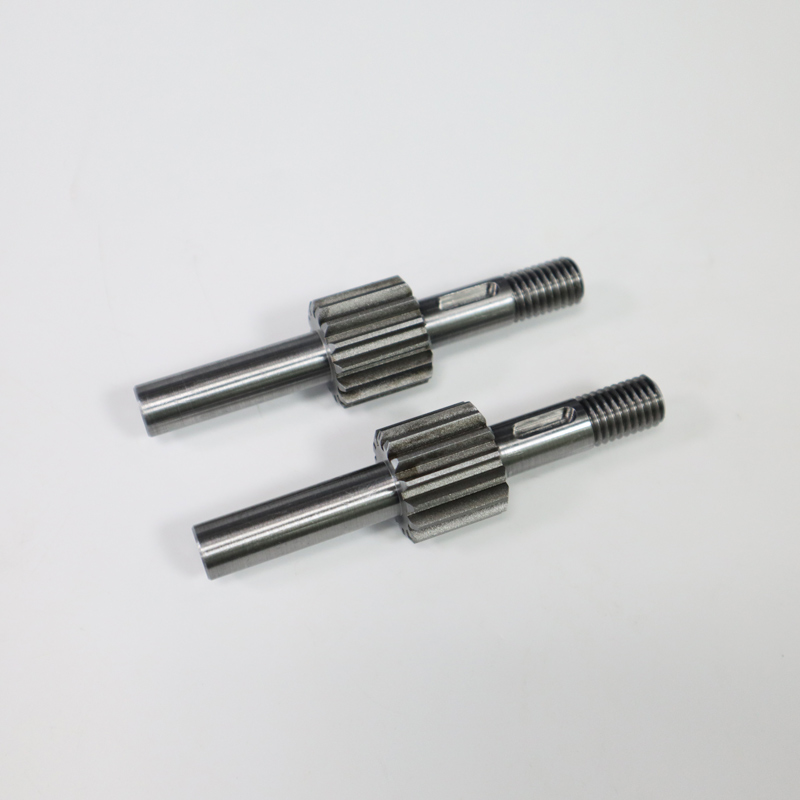

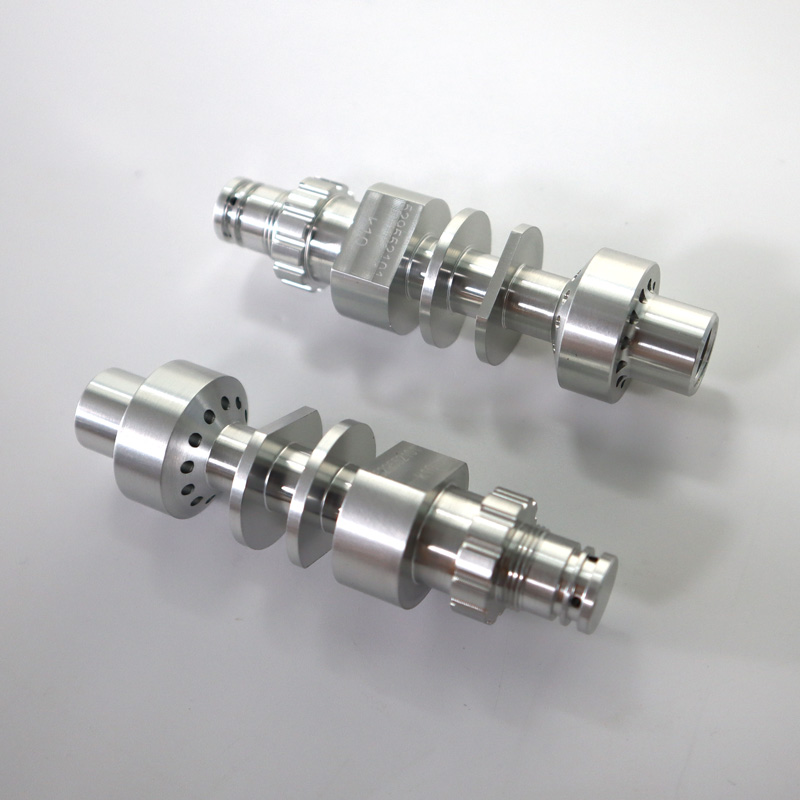

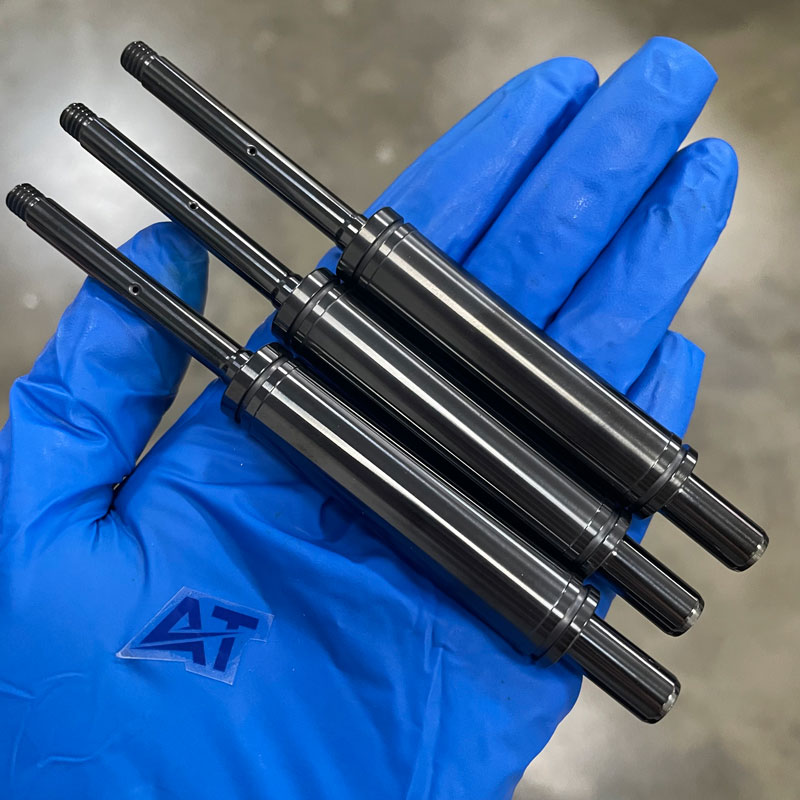
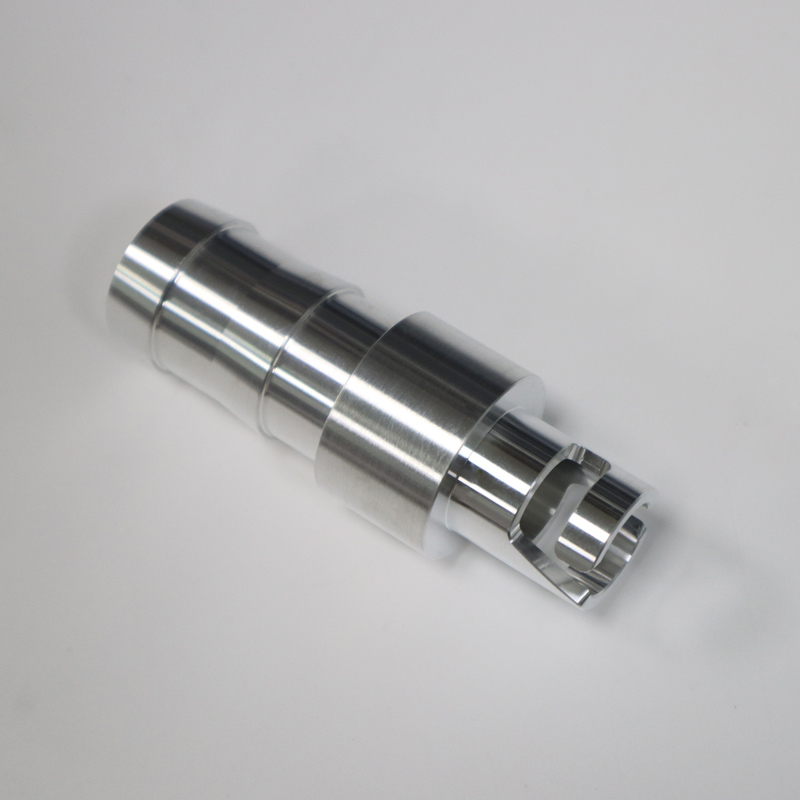


Mechanical engineers use various types of machined shafts for different applications based on their unique properties, including rotational speed, load capacity, and uses. Common types of shaft parts include:
Solid Shaft
This type of shaft has a basic structure made of a whole piece of metal material with a uniform cross-section suitable for power transmission applications like industrial machinery and automotive drive systems that require minimized deflection. A solid shaft has maximum rigidity and strength, which makes it a perfect choice for applications with high torque requirements.
Hollow Shafts
A hollow shaft possesses a center hole or void, which allows wires or fluid passage. These shafts are unlike solid shafts of similar size because of their low weight. Since they reduce the overall weight of any structure, hollow shafts are an ideal option for machinery or equipment that requires lightweight mechanical components like racing systems, medical devices, pumps, or conveyor systems.
Keyed Shafts
This type of shaft has a keyway machined into it to secure components like precision gears, sprockets, and pulleys. The keyway in a keyed shaft has the same width as a key. For this reason, the keyway takes in the key, capturing the teeth of the other component to restrain it from slipping or rotating independently as it transmits torque.
Engineers often use keyed shafts to maintain a reliable connection in high-torque applications in various general machinery, like motors and pumps.

Threaded Shafts
A threaded shaft is a type of custom shaft with threads machined on its inner or exterior surface to match the threads on a corresponding component, such as a nut. Threaded shafts are perfect for transforming rotational motion into linear motion. They are well-suited for applications where frequent attachment and detachment are necessary, including fastening applications, positioning systems, CNC equipment, and threaded spindles.
Tapered Shafts
Tapered shafts have a gradual change in diameter along the length direction. A tapered shaft provides firm assembly and easy disassembly, and a good automatic positioning function. This shaft type is often used in spindle assemblies or power output ends.
Splined Shafts
This shaft type has one or more longitudinal grooves or teeth evenly spaced along the length direction, which corresponds with the spline hole to transmit greater torque.
Mechanical design engineers use spline shafts in precise positioning or torque transmission with frequent speeds and high loads, like hydraulic equipment, automobile gearboxes, or gear couplings.
Gear Shaft
A gear shaft is used to install multiple gears to transmit the rotation speed and change direction. This gear type is common in gear transmission systems, gearboxes, and large mechanical equipment. It often features a stepped shaft integrated with a spline or keyway.
Worm Shaft
This type of shaft possesses a similar shape to a threaded shaft with worm-like disks within it. Engineers often mesh a worm shaft with the worm gear to create a mechanical structure with a large reduction ratio. Typical applications of worm shafts include winch systems, lifting platforms, and machine tool feed mechanisms.
Common Materials Used to Manufacture Shafts

Mechanical product engineers utilize several metal materials in machining precision shafts for various industries and applications. Common materials for machining shaft parts include:
Alloy Steel
Alloy steel exhibits outstanding strength and toughness, which allows precision-machined shafts to fit and function as intended. Engineers often use alloy steel 4140 or 4340 for precision shafts intended for heavy-duty applications, including large industrial motors or mining equipment, because of their high strength and impact resistance.
Carbon Steel
It exhibits excellent tensile strength, good machinability, and is relatively affordable. Carbon steel is suitable for shaft applications due to its hardness and ability to withstand heat treatment. Typical carbon steel material used in machining general-purpose mechanical shafts includes the 1045 grade. This shaft material offers moderate strength required for applications like pump shafts and motor shafts.
Stainless Steel
Product designers and engineers often embrace stainless steel in situations when the precision shafts need to possess excellent resistance to corrosion. The stainless steel grades 304 and 316 find use in shaft manufacturing because of their excellent corrosion resistance properties. For this reason, they are widely used in applications with high exposure to humid or marine environments and corrosive elements like chemical plants.
Aluminum
Aluminum alloys are lightweight and corrosion-resistant materials with excellent machinability. Aluminium and its alloys are compatible with various applications where weight is a critical particularly in the aerospace sector. Therefore, it is a suitable material in situations where you need to produce lightweight machined shafts.
Titanium
The high strength-to-weight ratio and corrosion resistance of titanium make it a popular material for manufacturing precision shafts for high-performance applications across industries. The aerospace sector, in particular, utilizes titanium material in machining precision shafts since it offers great strength and moderate density.
Nickel Alloys
Nickel alloys offer excellent high-temperature strength and good resistance to corrosion, making them a perfect option for machining shafts for extremely demanding applications. Inconel is a commonly used nickel alloy in precision machining shafts for high-temperature applications or highly corrosive industrial environments such as chemical plants and turbines. Engineers use nickel alloys to make high-temperature-resistant shafts since they can maintain structural integrity.
Practical Tips for Shaft Custom Manufacturing

In this section, we will examine certain factors you should keep in mind to ensure the successful manufacturing of shaft parts:
Define the Expected Load and Torque
In the early stages of design and production, it is crucial to determine the expected load and torque that the custom-machined shaft and parts will be subjected to in the intended application. More so, determining these variables helps to identify the suitable material and diameter necessary to machine reliable and functional shaft parts and prevent shaft failure.
Specify the Shaft Diameter and Length
To avoid complications such as deflection and extreme vibration in the shaft assembly, define the appropriate diameter and length for the shaft and machine them according to the requirements of the intended application. More importantly, choose a cross-sectional shape to ensure the shaft parts can effectively manage the load they will be subjected to.

Material Selection
Choosing a suitable material for your custom-machined shafts hinges on specific factors, including material strength, corrosion resistance, and temperature. Shafts often last longer and function properly in the intended application when manufactured with the appropriate material. However, it would help to examine the pros and cons of each machining material and choose the one that fits your budget range and matches the project requirements as well.
Quality Control
Regular quality inspection is a crucial part of manufacturing functional custom shafts. It helps ensure the custom-manufactured shafts match the specified material properties, dimensions, and surface finish requirements. For this reason, procedures to utilize during quality control include coordinate measuring, surface roughness testing, and hardness testing. Most importantly, experts recommend performing consistent quality checks for efficient detection and rectification of potential errors to reduce waste and ensure the custom-machined shaft meets the client’s specifications.
Surface Finishing Options for Custom-Made Shafts
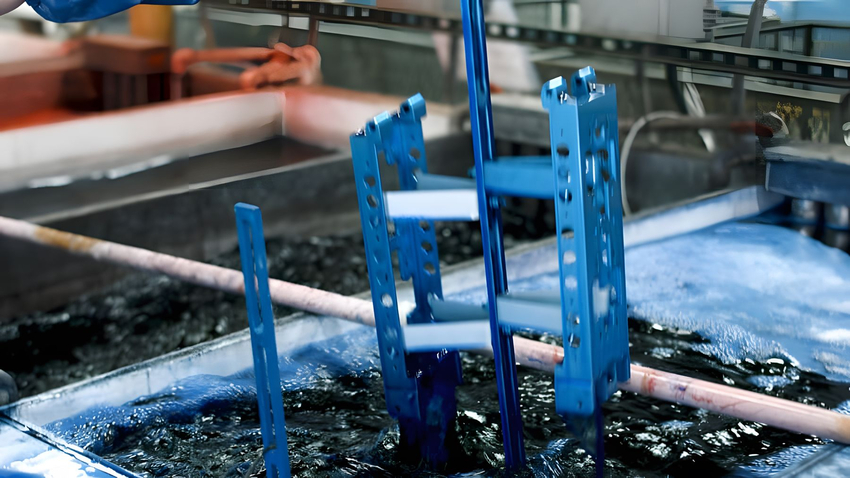
Product designers embrace the unique properties of different surface treatments in custom shaft machining to enhance performance, service life, hardness, and surface quality, depending on the part’s intended application. Here are surface finishing options compatible with custom-machined shafts:
Anodizing
Anodizing is a surface treatment commonly used for aluminium machined shafts. It creates a dense, corrosion-resistant oxide layer on the surface of a machined shaft to increase its aesthetic and resistance to corrosion. Anodized aluminum machined shafts can accept dyes of various colors for decorative purposes.
Bead Blasting
Bead blasting involves using a pressurized gun to release abrasives such as fine glass or steel beads on the surface of machined shafts to achieve a smooth and clean finish. The bead blast finish provides a dull or satin look on the shaft.
Electroplating
Electroplating is an effective surface treatment that involves depositing a thin layer of metal, including gold, nickel or zinc, on the surface of custom shafts to improve their aesthetic appeal and wear resistance.
Passivation
Passivation is primarily suitable for enhancing the surface of stainless steel custom shafts. The process involves using an acid solution to clean the machined shaft’s surface to remove free iron compounds and other foreign bodies. Hence, a passive oxide layer builds on the surface of the custom shafts, enhancing its resistance to corrosive elements.
Polishing
This surface finishing uses abrasive material to remove scratches and nicks from the surface of machined shafts to improve their reflective and corrosion resistance properties. Polishing helps prevent your custom-made shafts from oxidation and contamination.
Conclusion
Custom shaft manufacturing significantly contributes to the production of precise and reliable shaft components to meet the rigorous standards of different industries. It ensures the production of shaft parts exact to the strength, dimension, and material requirements, ensuring seamless assembly and improved machine efficiency.
Need a reliable custom shaft manufacturer to handle your customization needs? AT Machining is the ideal choice! We are an ISO certified and industry-leading CNC machining services provider with extensive engineering capabilities and custom manufacturing solutions.Our expert teams leverage cutting-edge technologies, state-of-the-art facilities, and the most suitable machining processes to meet design specifications and industry standards. Don’t hesitate to contact us for professional technical support on how to achieve efficient mechanical design goals.